
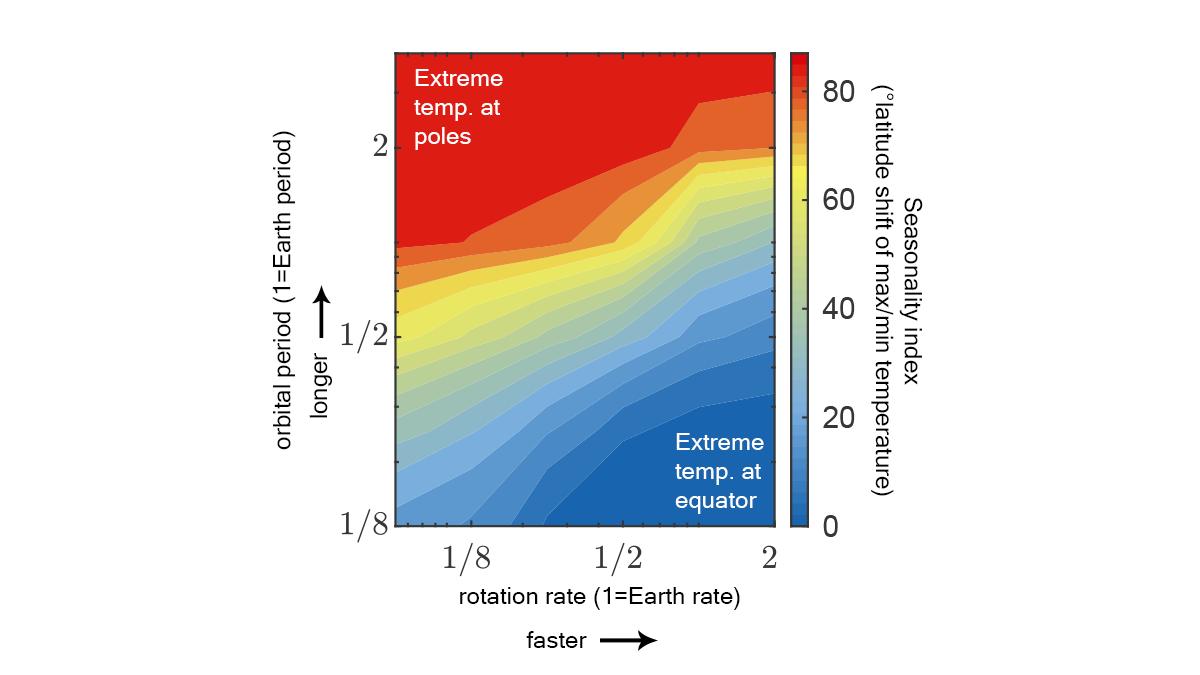
We’ve long known that a planet’s orbital period and tilt determine length and intensity of seasons. We now see rotation rate matters too: max temperature shifts poleward as rotation slows.
Modeling

Posted inEditors' Vox
Machine Learning Helps to Solve Problems in Heliophysics
A new special collection invites papers pertaining to the use of machine learning techniques in all sub-fields of heliophysics.

Posted inNews
Salt Spray May Stifle Lightning over the Sea
New research suggests that sea-salt aerosols seed large raindrops that starve clouds of water needed to make lightning. But not all scientists are convinced it’s simply about salt spray.

Posted inResearch Spotlights
A Better Operational Lava Flow Model
By segmenting the vertical structure of a lava flow, the Lava2d model provides more realism to operational lava forecasts.

Posted inOpinions
Converging Toward Solutions to Grand Challenges
A hypothetical, space weather–induced power grid catastrophe served as a practice case for building unity and collaborative skills among disparate communities to address a major global hazard.

Posted inEditors' Highlights
Deep Learning for Hydrologic Projections Under Climate Change
Extrapolation or not? Big data may help deep learning to go places where it has not been before by transferring learned hydrologic relationships.

Posted inENGAGE, News
Satellites Get First Full-Year View of Arctic Sea Ice Thickness
The AI-based monitoring method may unlock data that could improve shipping safety and climate predictions.
Posted inEditors' Highlights
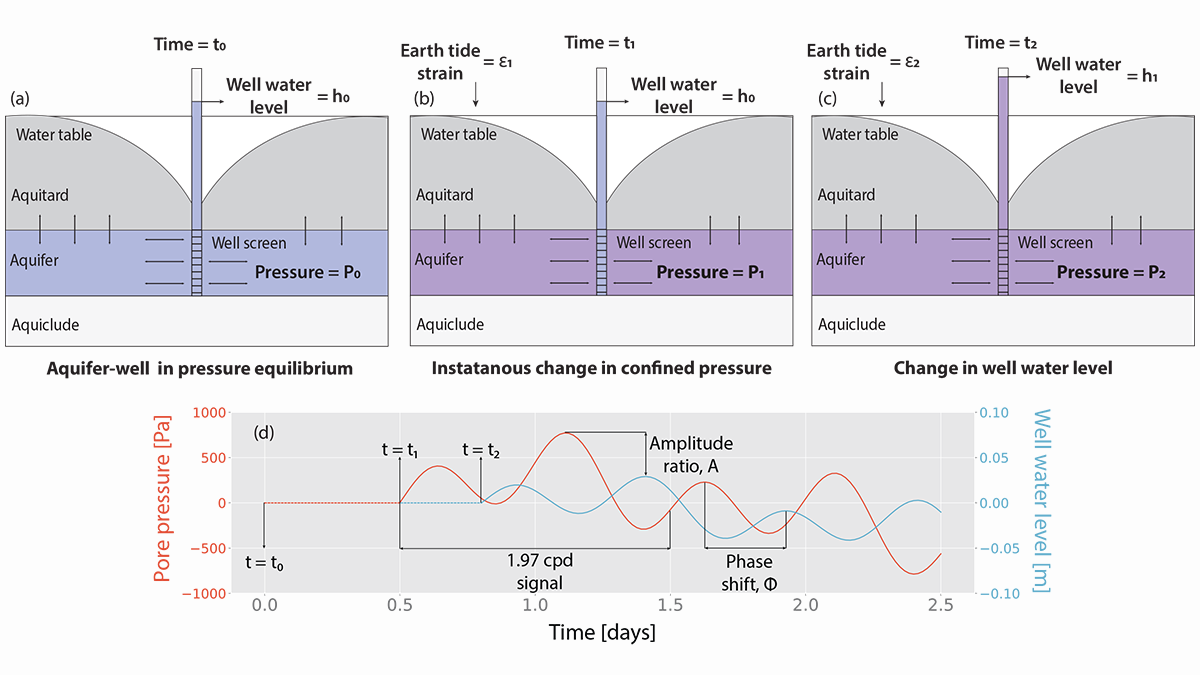
Modeling Groundwater Responses to Earth Tides
Tidal fluctuations in water well levels can reveal characteristics of the subsurface, and a new model based on coupled physics delineates the limitations of inherently simplistic analytical solutions.
Posted inEditors' Highlights
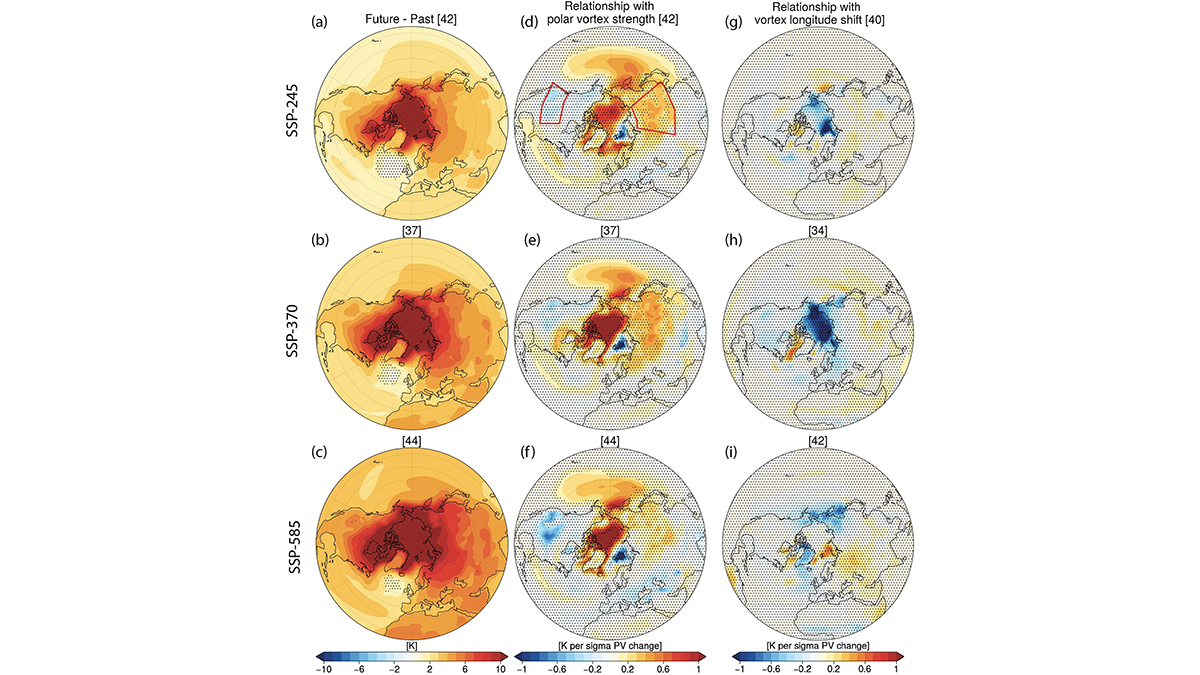
Modeling Stratosphere-Troposphere Coupling in a Changing Climate
Climate models have disagreed on the future evolution of the stratospheric polar vortex and links to the troposphere, but a new study revisits this problem with state-of-the-art climate models.

Posted inResearch Spotlights
Tracing Anthropogenically Emitted Carbon Dioxide into the Ocean

Researchers labeled anthropogenically emitted carbon and tracked it with an ocean circulation model to determine whether it winds up in the sky or sea.