
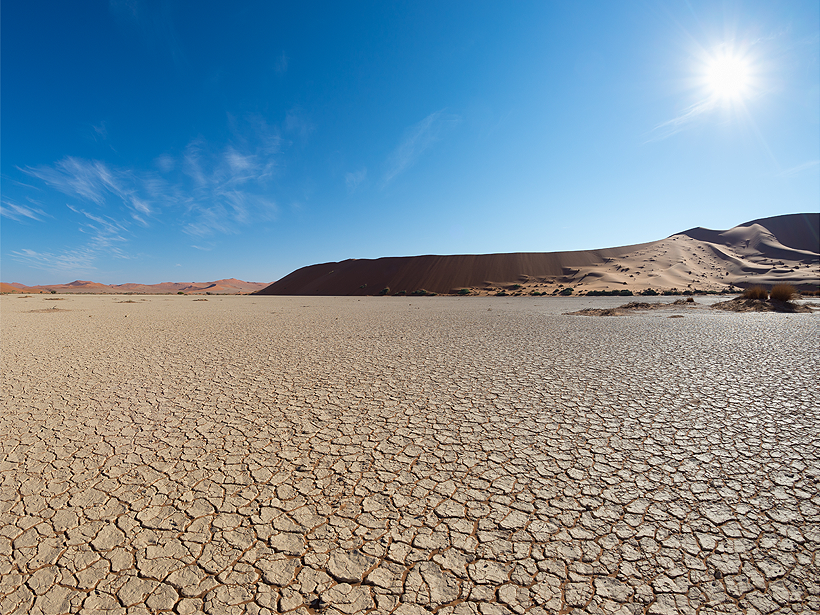
Models that accurately represent past and present rainfall provide more accurate projections of water availability, a new study suggests.
Modeling

Posted inNews
Ice Drove Past Indo-Pacific Climate Variance

Researchers used both terrestrial and marine proxy data to reconstruct the dramatic and dynamic climatic changes.
Posted inEditors' Highlights
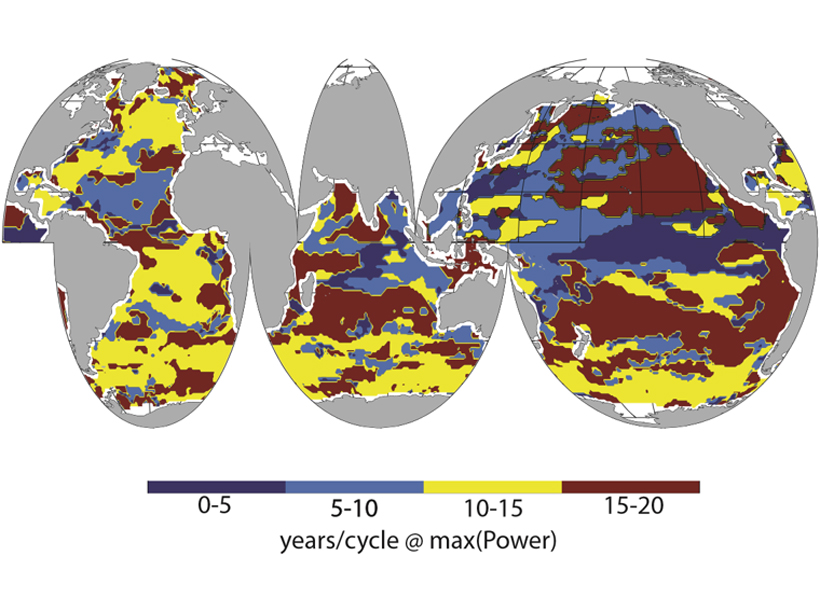
Sea-Surface Carbon Patterns Linked to Large-scale Climate Modes
A new 34-year global time series of observed sea surface partial pressure of CO2 links regional variation to major climate modes.

Posted inScience Updates
Modeling Digs Beyond Soil Properties and Processes
International Soil Modeling Consortium Conference: New Perspectives on Soil Models; Wageningen, Netherlands, 5–7 November 2018
Posted inResearch Spotlights
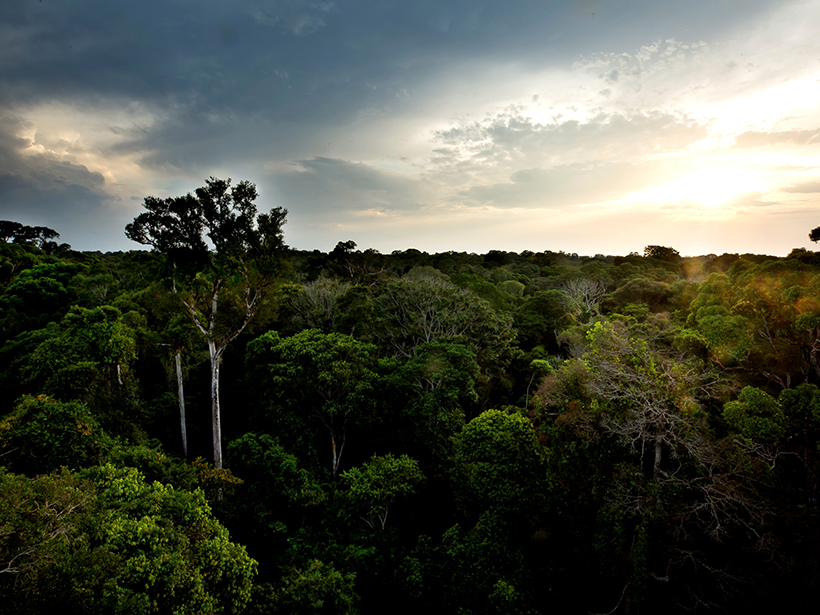
A Simplified Model of Water Vapor Exchange in the Amazon

Evapotranspiration is the exchange of water vapor between land and the atmosphere, and it is hard to measure and model. A new study shows promise for its estimation over large, vegetated landscapes.
Posted inResearch Spotlights
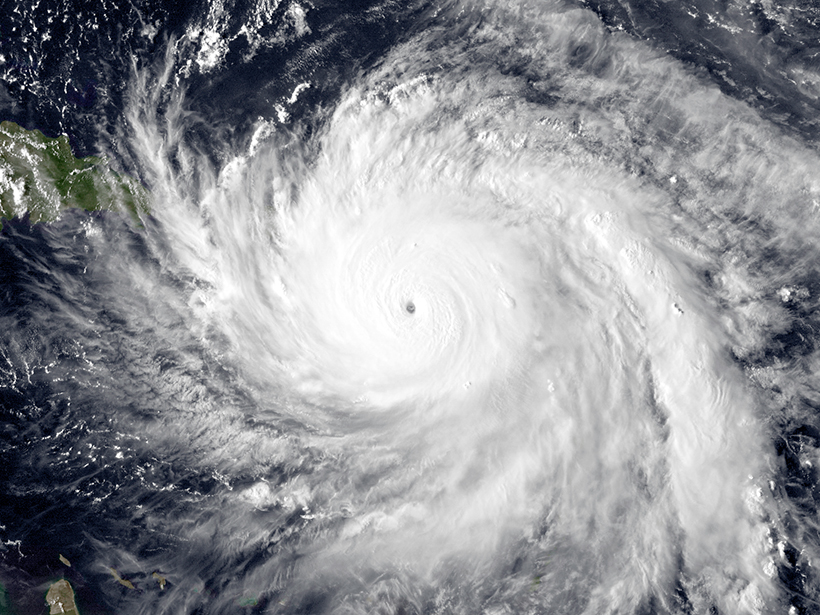
A Better Understanding of Tropical Cyclones
A new model of how anvil clouds form could improve short-term hurricane forecasts.
Posted inResearch Spotlights
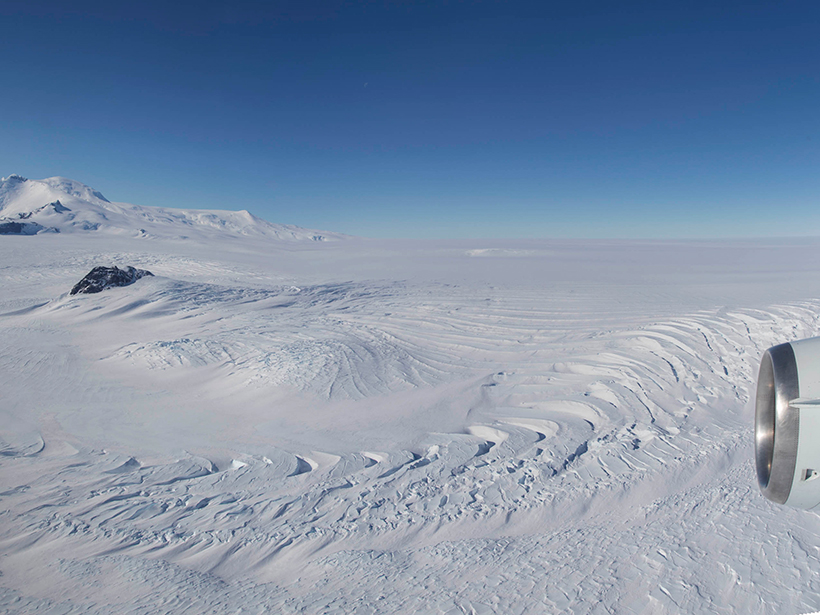
What’s Missing from Antarctic Ice Sheet Loss Predictions?

Accurately modeling melt rates in specific ice shelf locations is critical for forecasting how Antarctica’s ice sheet will respond to climate change.
Posted inResearch Spotlights
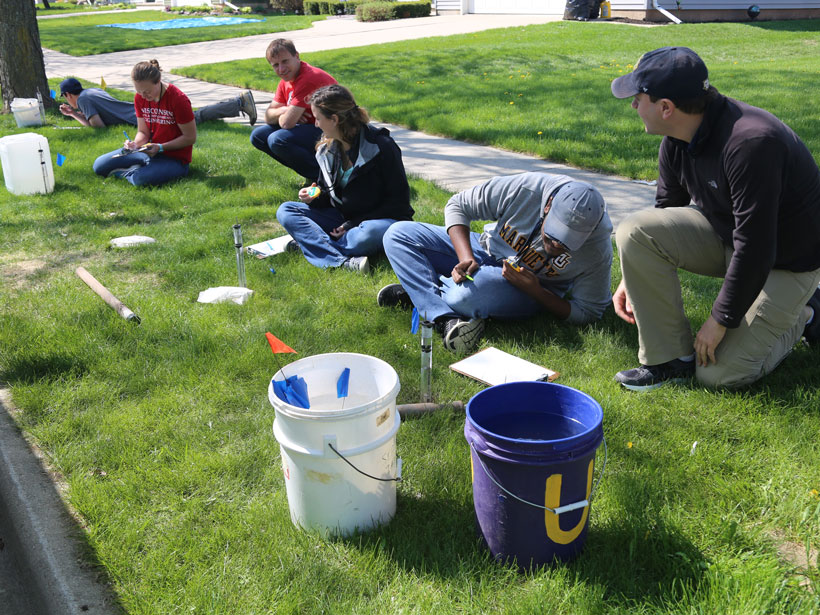
Strategies to Improve Urban Hydrology
Cities can reduce surface runoff and increase groundwater recharge by encouraging their residents to implement simple, hydrologic modifications on individual buildings and single-family parcels.
Posted inEditors' Highlights
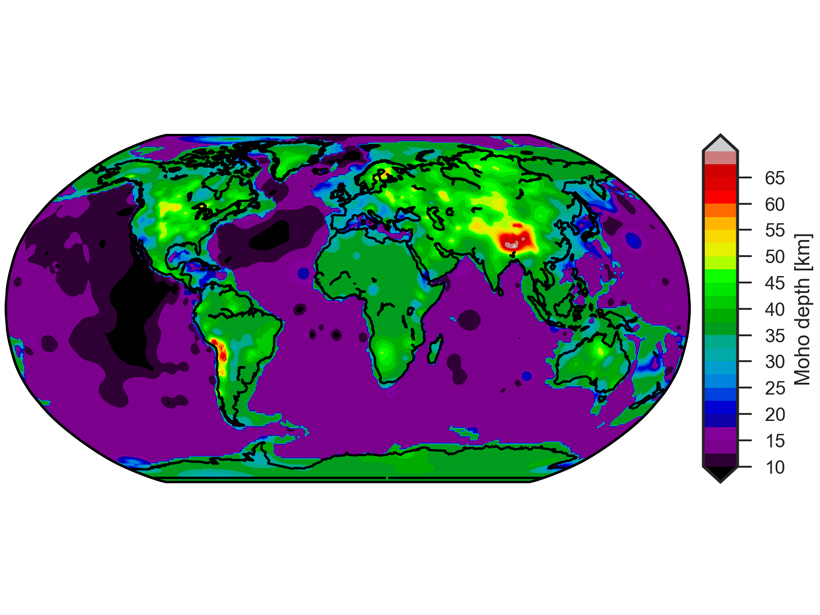
New Global Crustal Model Built as Foundation for Future Studies
A new global crustal model and its corresponding uncertainty were obtained using minimum a priori information and a geostatistical approach.
Posted inResearch Spotlights
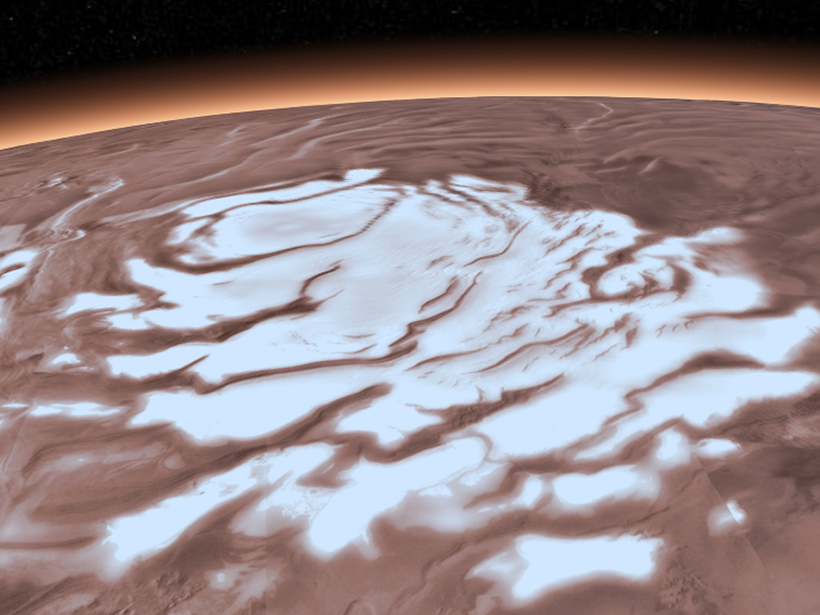
Local Heat Source Needed to Form Liquid Water Lake on Mars

Thermal modeling suggests that active magmatism in the past few hundred thousand years could account for the presence of a large lake previously hypothesized beneath the Red Planet’s southern ice cap.