
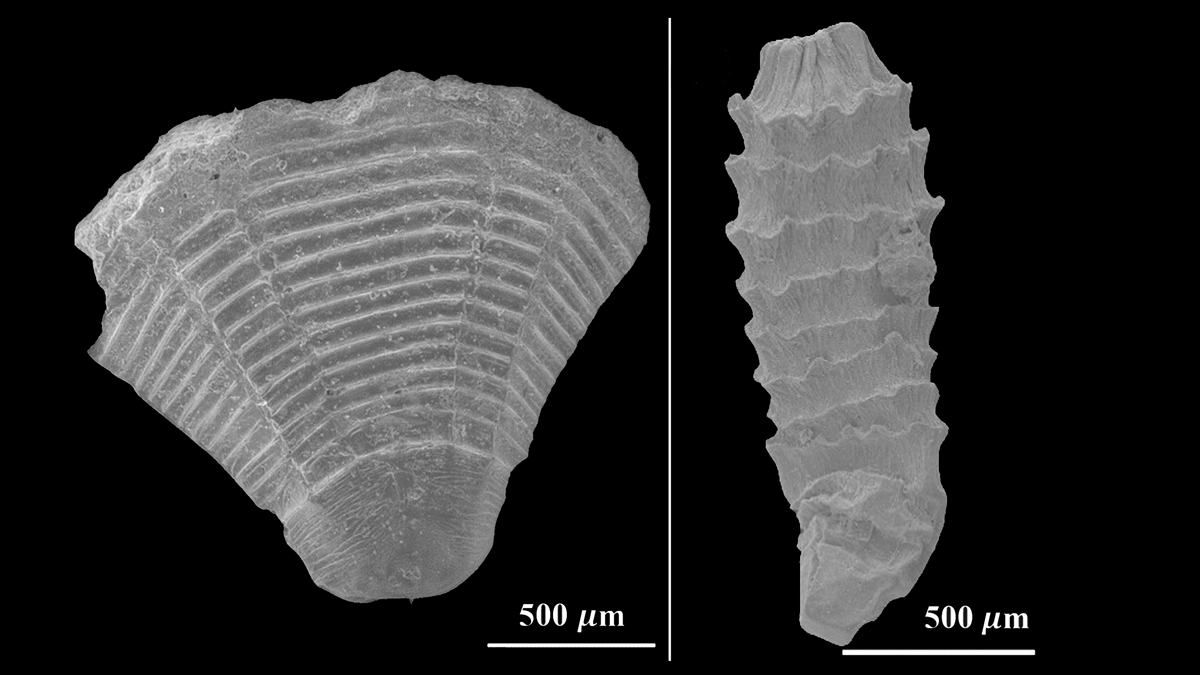

Water flow simulations using 3D models of fossils yield new clues to the evolution of organisms known as medusozoans.
Oceans
Posted inEditors' Highlights
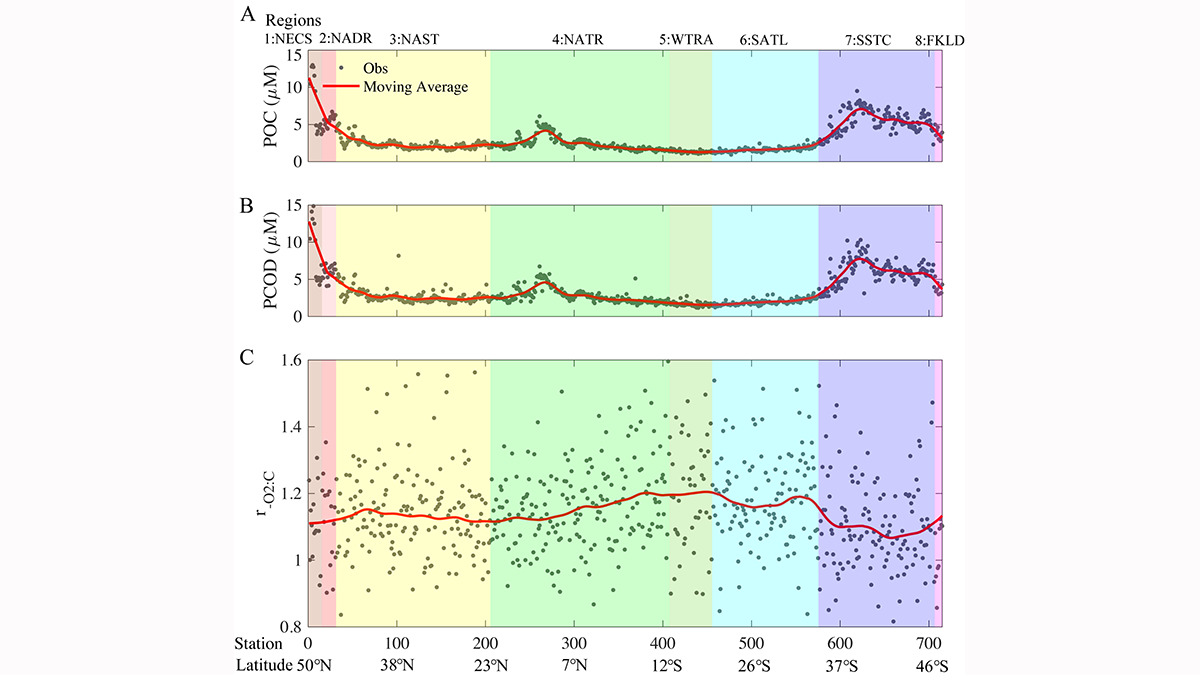
Respiration Quotient Variability and Ocean Oxygen Levels
Respiration quotients in the Atlantic and Pacific Oceans reflect different water temperature, nutrient stress and phytoplankton community structure, important for regional carbon and oxygen cycling.

Posted inNews
Salt Spray May Stifle Lightning over the Sea
New research suggests that sea-salt aerosols seed large raindrops that starve clouds of water needed to make lightning. But not all scientists are convinced it’s simply about salt spray.
Posted inResearch Spotlights
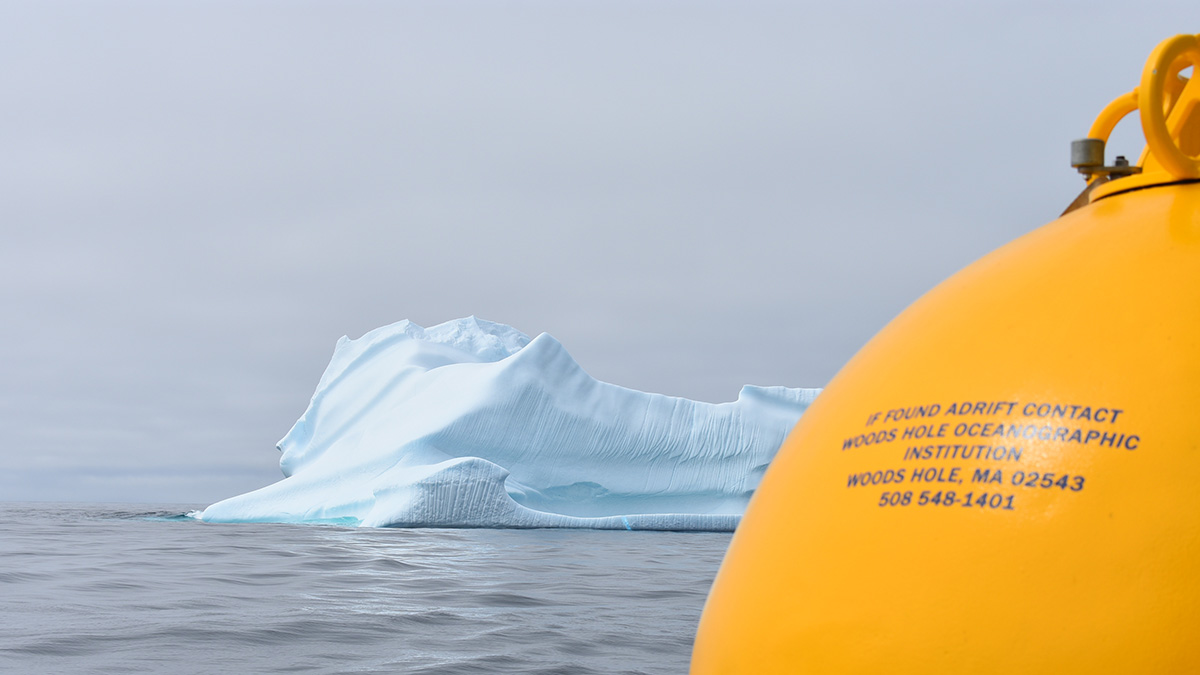
When Winds and Currents Align, Ocean Mixing Goes Deep

Slantwise convection in the Irminger Sea off Greenland appears to mix ocean water to deeper depths than previously thought, representing an important contribution to Atlantic overturning.

Posted inResearch Spotlights
A Close Look at Melting Below Antarctica’s Largest Ice Shelf

Radar data reveal where, when, and how fast the base of the Filchner-Ronne Ice Shelf has been losing mass in recent years.
Posted inNews
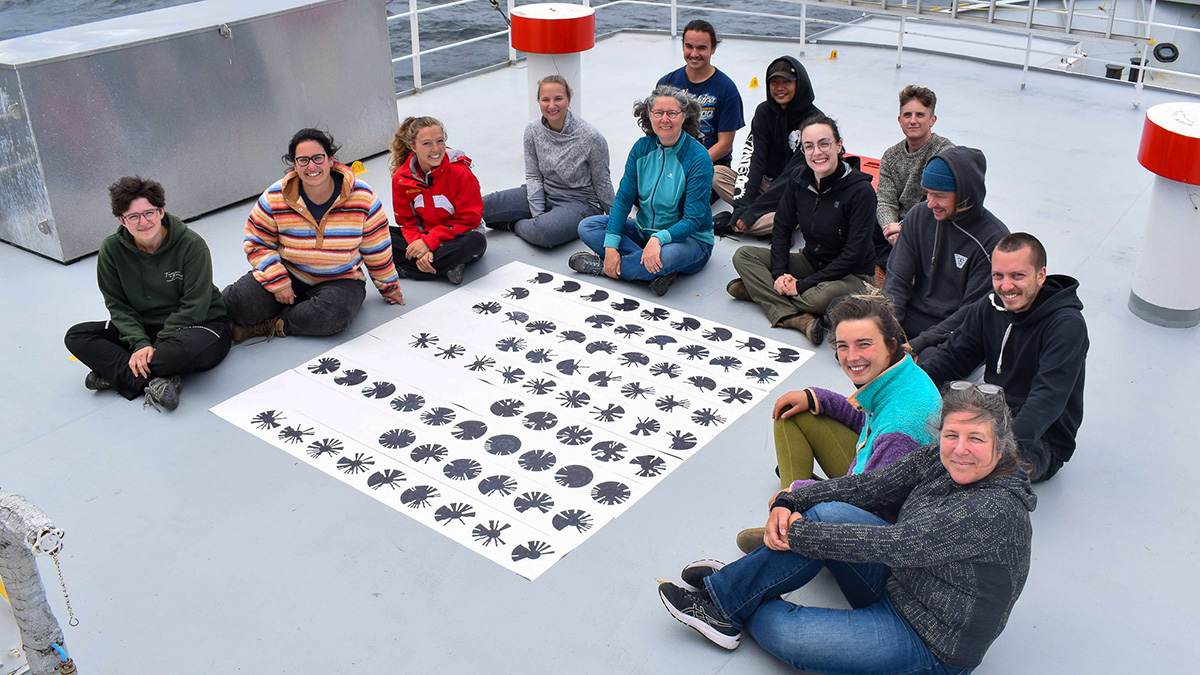
An Inclusive Approach to Oceangoing Research

The bread and butter of oceanography, sea voyages rarely include minoritized communities and nonscientists. The Inclusion Mission wants to change that.

Posted inEditors' Highlights
Can Anelastic Attenuation of Oceanic Mantle be Reliably Measured?
A new study demonstrates that robust anelastic attenuation measurements can be made across ocean bottom seismic arrays at different locations using surface wave array analysis.
Posted inNews
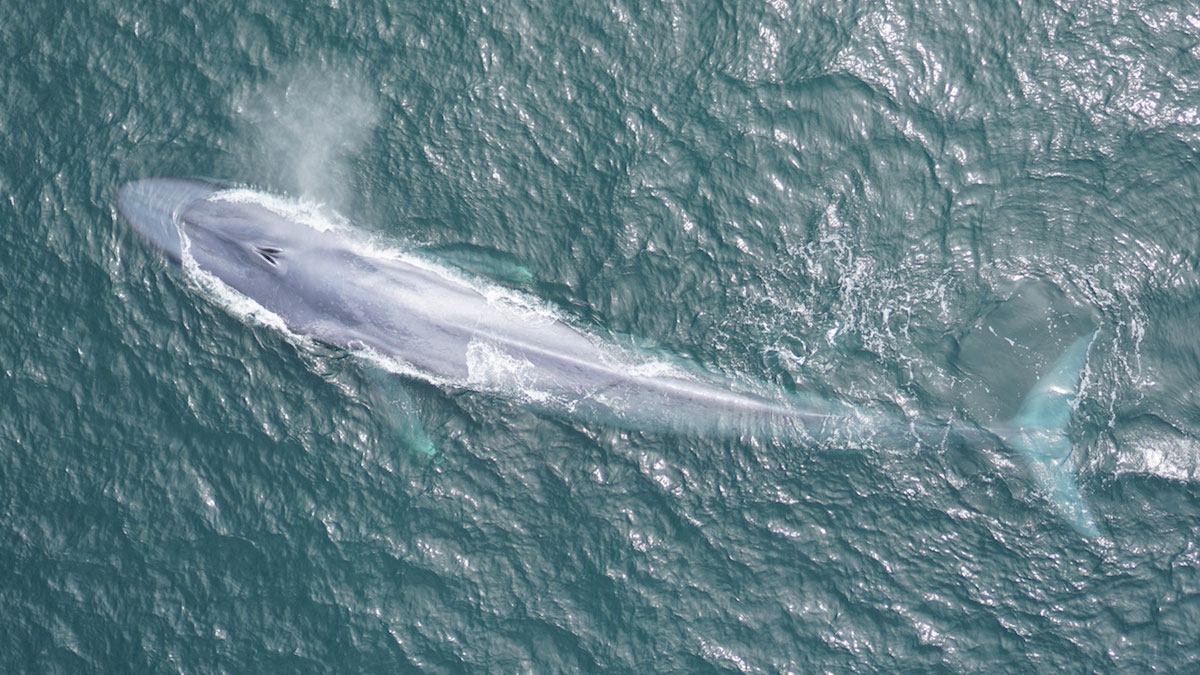
Scientists Tune In to Blue Whale Feeding Rhythms
New acoustic sensing technology is allowing scientists to track blue whale movements in real time, a breakthrough that could help save whales’ lives.
Posted inEditors' Highlights
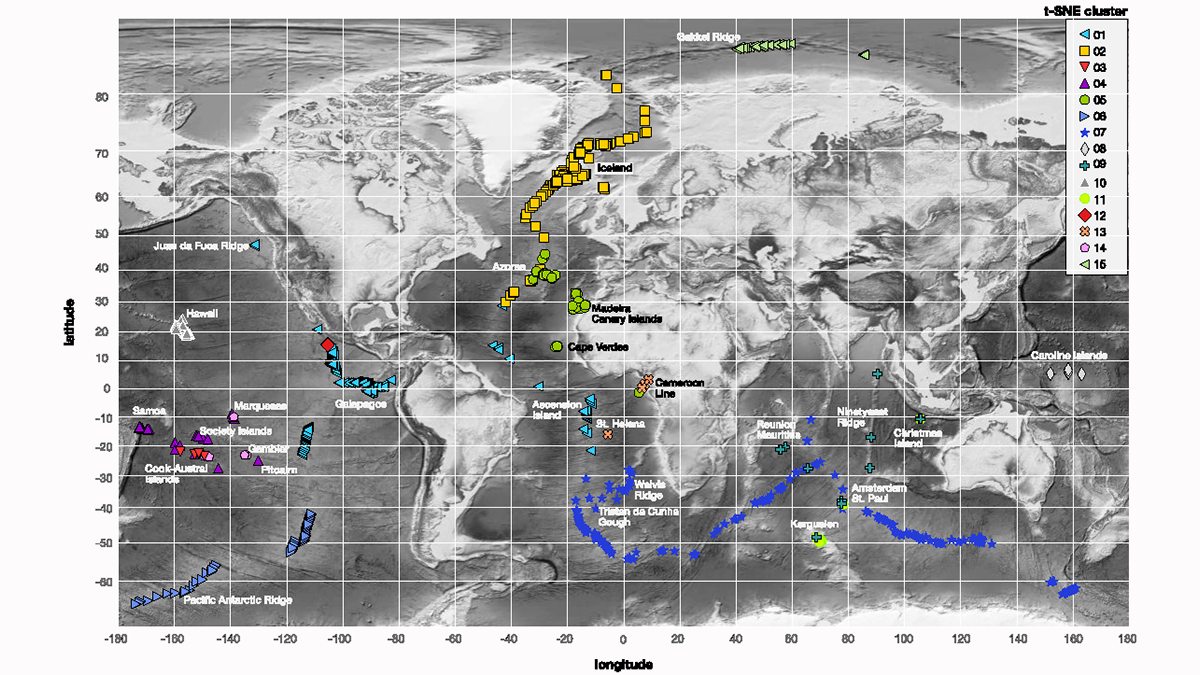
Machine Learning Looks Anew at Isotope Ratios in Oceanic Basalts
While past attempts to define isotopic endmembers and assign them a geodynamic significance ended in controversy, a machine-learning clustering algorithm offers a solution to this classical problem.
Posted inResearch Spotlights
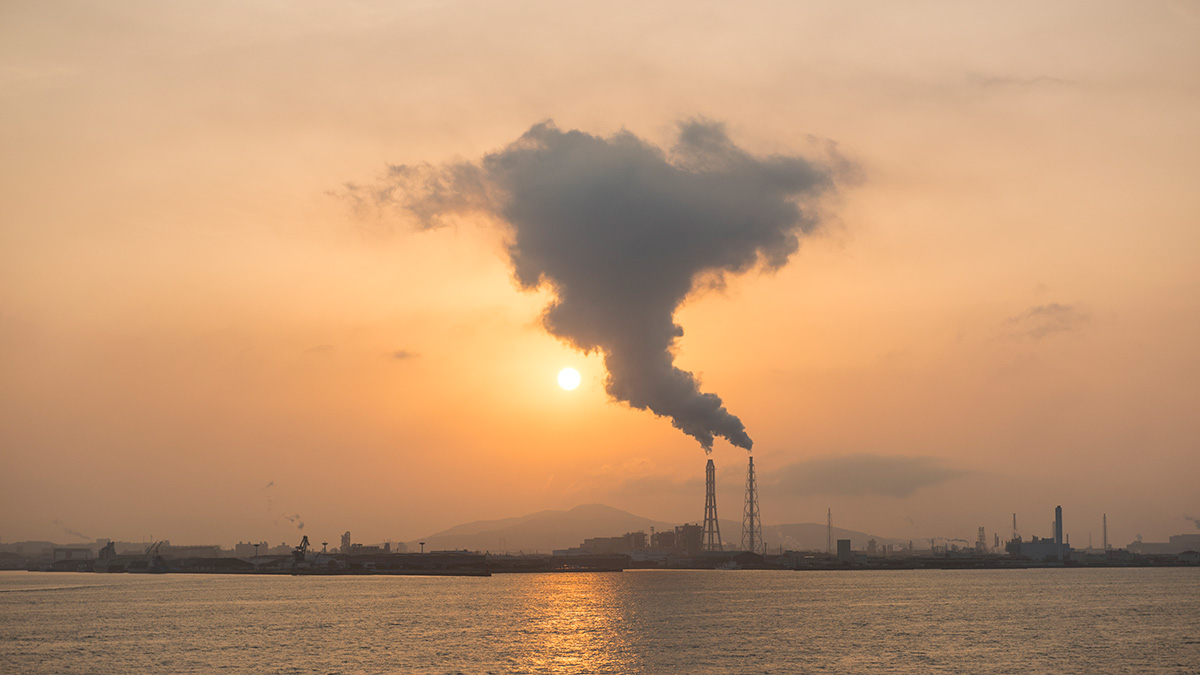
Tracing Anthropogenically Emitted Carbon Dioxide into the Ocean

Researchers labeled anthropogenically emitted carbon and tracked it with an ocean circulation model to determine whether it winds up in the sky or sea.