

Scientists parse out the processes underlying tectonic signals detected by GPS networks.
plate tectonics

Posted inEditors' Vox
Plate Boundaries and Natural Hazards
The editors of a new book on tectonics discuss the origins of the science and its importance in a new millennium.

Posted inResearch Spotlights
A Significantly Hotter Mantle Beneath Iceland

Estimates of crystallization temperatures from four eruptions in northern Iceland offer improved constraints on the mantle's temperature beneath this anomalous divergent plate boundary.

Posted inNews
Cubans, Americans Bridge a Scientific Rift

Two scientific communities that evolved separately for more than 50 years reunited last week to share their findings and plan a more unified future.
Posted inResearch Spotlights
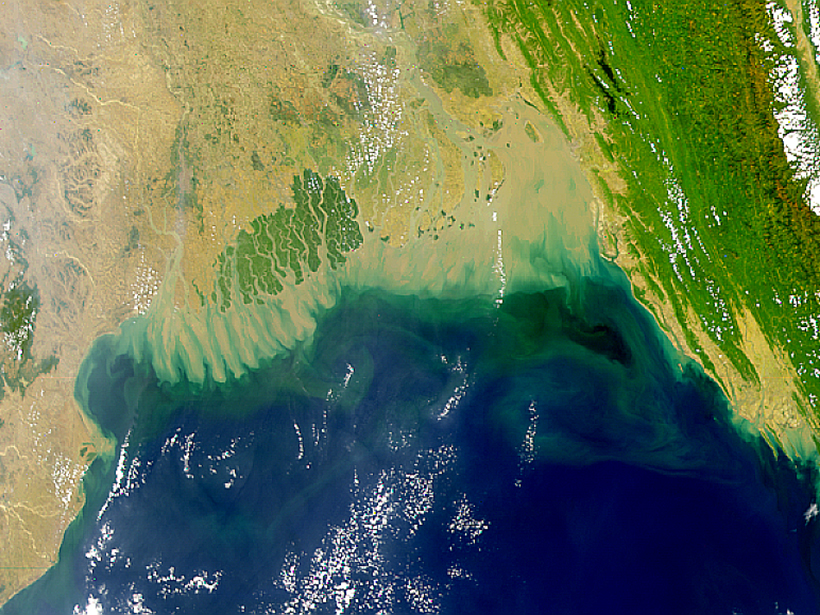
Deciphering the Bay of Bengal's Tectonic Origins
New magnetic and gravity data suggest that the boundary between continental and oceanic crust lies beneath northern Bangladesh, along the line of an Early Cretaceous spreading center.
Posted inResearch Spotlights
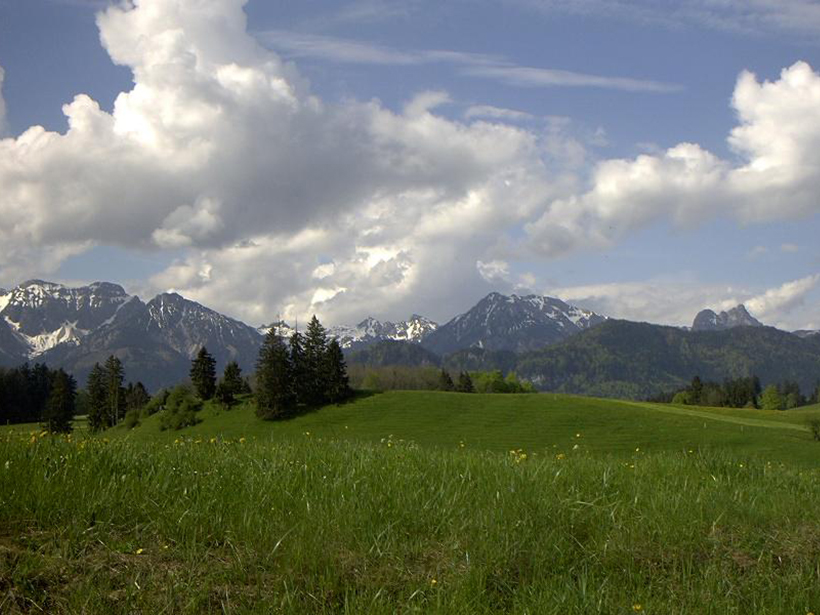
Characterizing the Faults Beneath Germany

A team of researchers has described how the faults within the German Alpine Molasse Basin initially developed.
Posted inResearch Spotlights
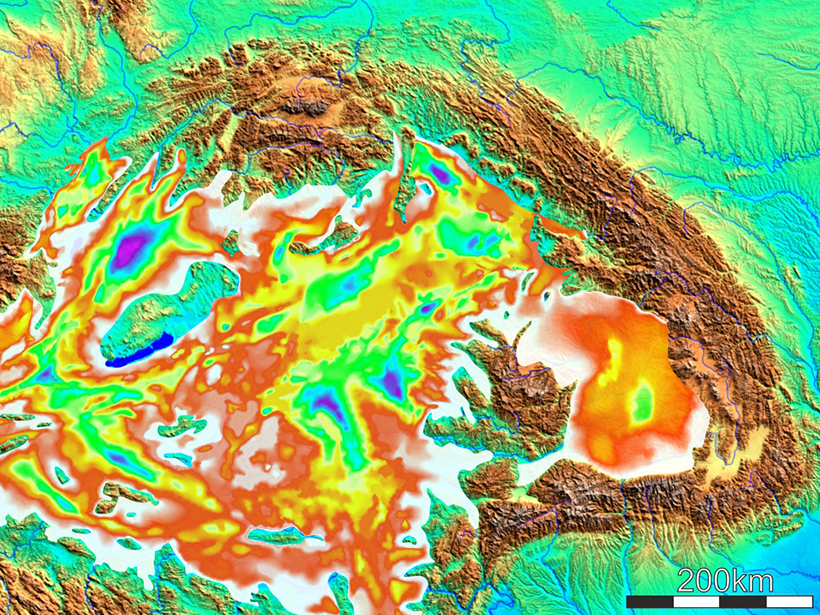
Unraveling the History of Central Europe's Pannonian Basin
A multidisciplinary model linking the sedimentary and tectonic histories of this structurally complex basin suggests that large amounts of extension occurred there between 20 and 9 million years ago.
Posted inFeatures
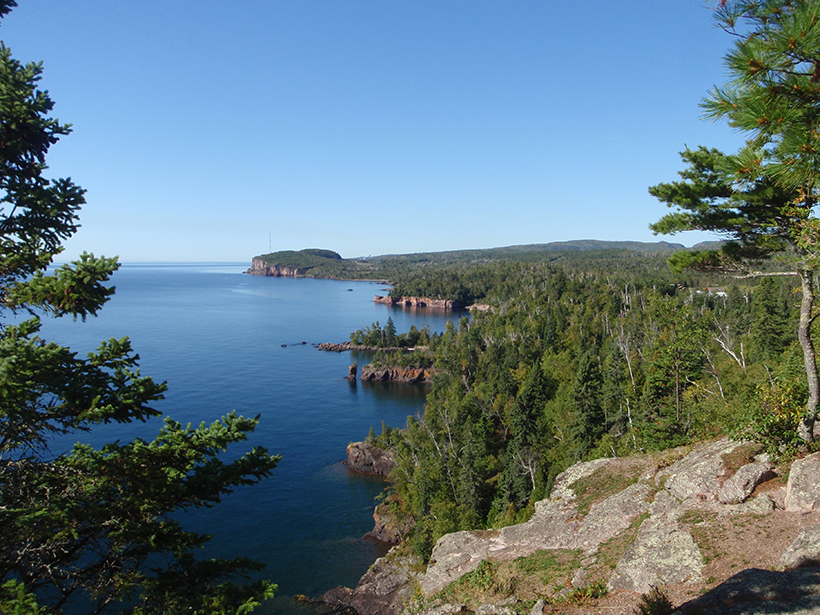
New Insights into North America’s Midcontinent Rift
The Midcontinent Rift has characteristics of a large igneous province, causing geologists to rethink some long-standing assumptions about how this giant feature formed.

Posted inResearch Spotlights
An Ancient Sea Once Separated the Pacific and Indian Oceans

Seafloor under the hypothesized East Asian Sea vanished 10 million years ago as surrounding plates swallowed it up, according to new reconstructions of plate tectonics in the Philippine Sea region.

Posted inResearch Spotlights
Revising the Displacement History of New Zealand's Alpine Fault
A reinterpretation of structural and paleomagnetic data suggests that New Zealand's Alpine Fault accommodates a far greater percentage of geologically recent plate motion than previously thought.