
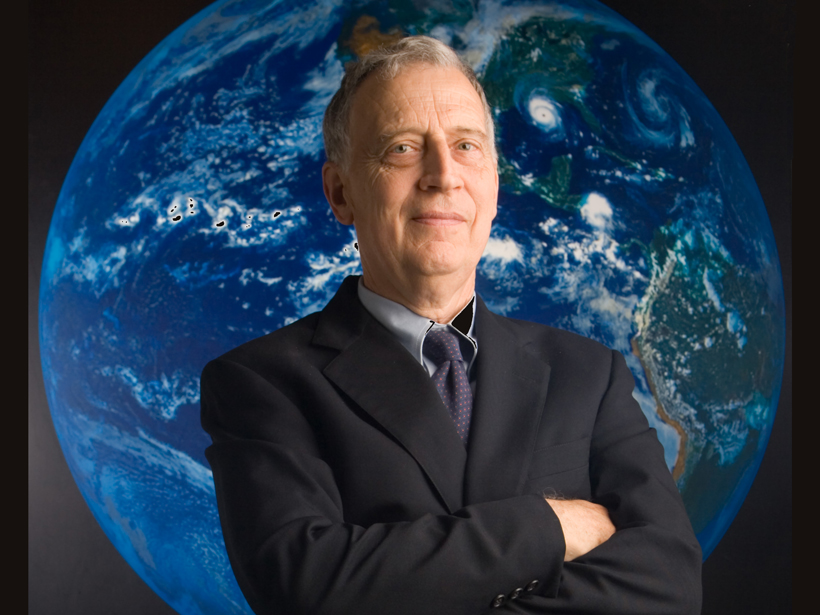
The former president of the National Academy of Sciences was an accomplished atmospheric scientist and a proponent of multidisciplinary collaboration, but most of all, he was a good friend.
transdisciplinary science

Posted inScience Updates
Mars Polar Intrigue Spurs Multidisciplinary Collaboration
Sixth International Conference on Mars Polar Science and Exploration; Reykjavík, Iceland; 5–9 September 2016
Posted inNews
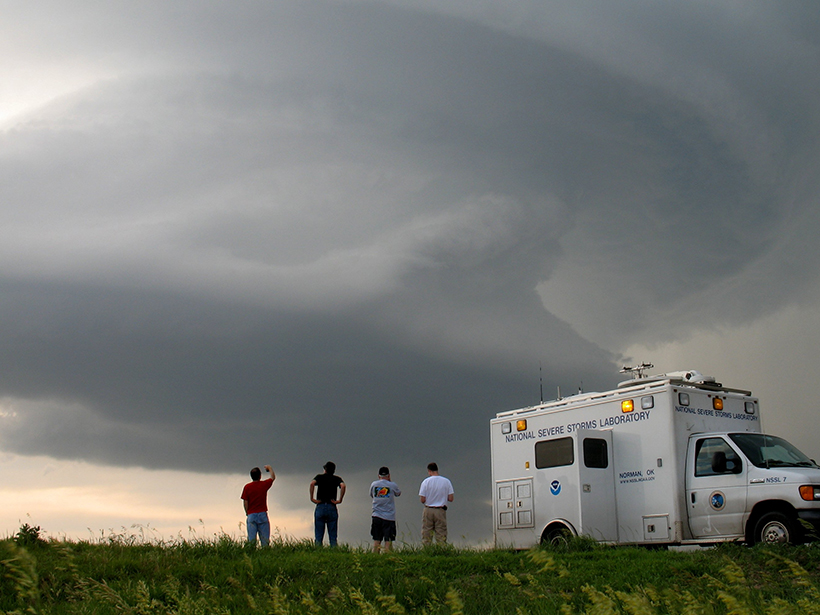
Initiative Aims to Help Cut Losses from Extreme Weather Events

A new alliance aims to integrate social and behavioral science into meteorological research and practice to help build resilience to natural disasters.
Posted inAGU News
Pavel Groisman Receives 2016 Edward A. Flinn III Award
Pavel Groisman received the 2016 Edward A. Flinn III Award at the American Geophysical Union Fall Meeting Honors Ceremony, held on 14 December 2016 in San Francisco, Calif. The award honors an "individual or small group who personifies the Union's motto 'unselfish cooperation in research' through their facilitating, coordinating, and implementing activities."
Posted inResearch Spotlights
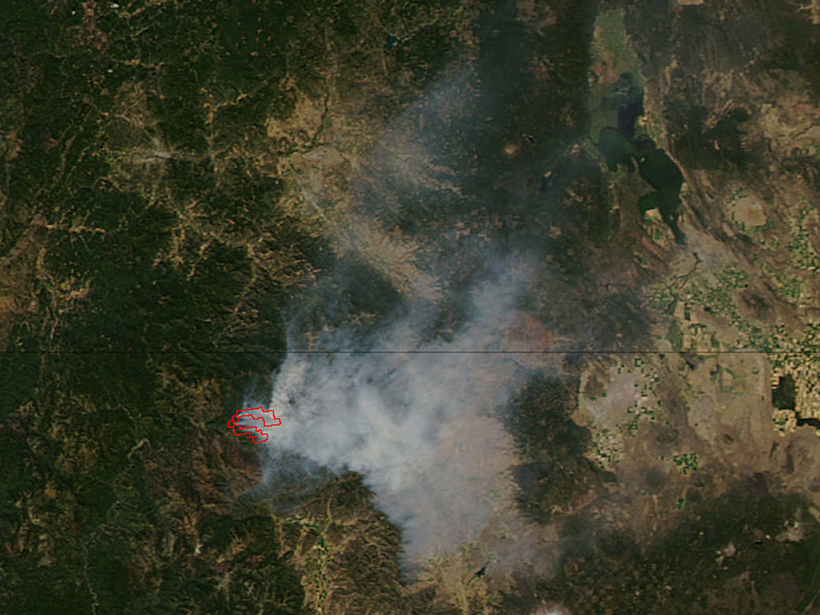
Fighting Fire with Satellite Data
As climate change worsens wildfire impact, scientists use satellites to study climate-fire interactions.
Posted inScience Updates
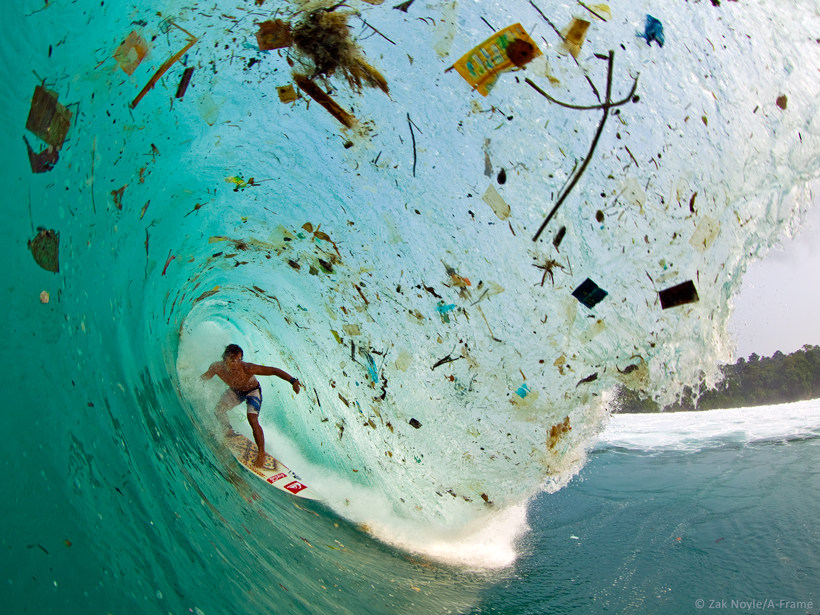
Developing a Remote Sensing System to Track Marine Debris
Workshop on Mission Concepts for Marine Debris Sensing; Honolulu, Hawaii, 19–21 January 2016
Posted inEditors' Vox
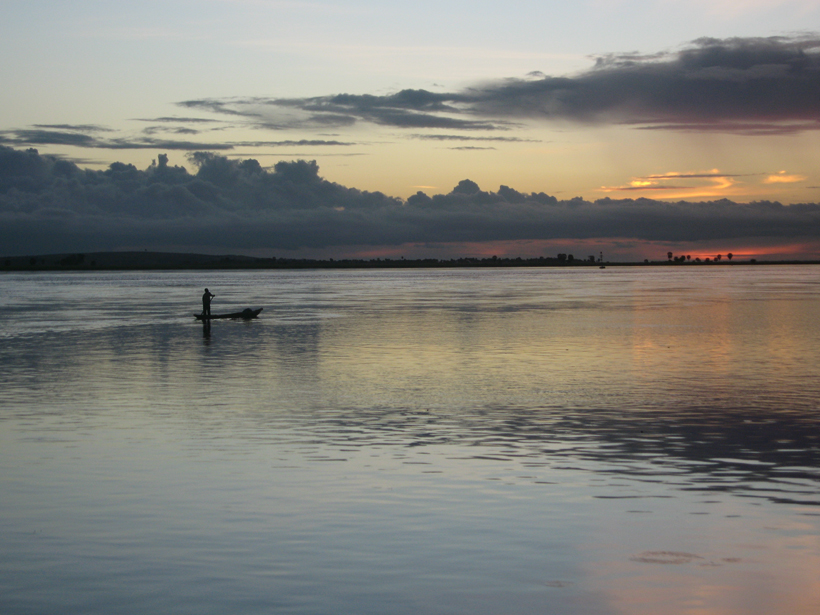
Promoting the Universal Language of Science: Translating Congo Research
Overcoming barriers to broaden scientific discovery in the Congo
Posted inOpinions
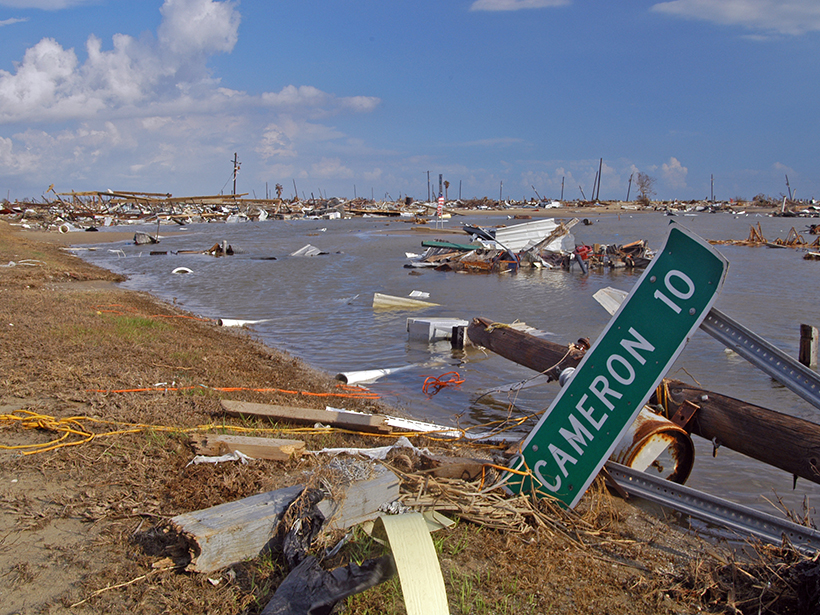
Collaboration to Enhance Coastal Resilience
Integrating models from the social and natural sciences could generate a more holistic approach to climate change response planning in coastal communities.
Posted inScience Updates
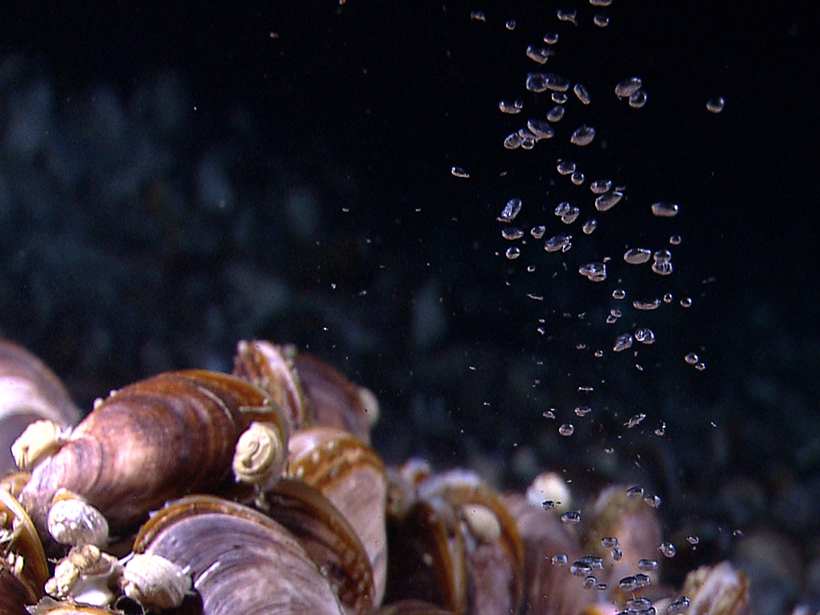
Building an Accessible Archive for Water Column Sonar Data
The Water Column Sonar Data Archive aggregates and curates sonar data sets from many sources, giving researchers access to much more information than they could collect on their own.
Posted inResearch Spotlights
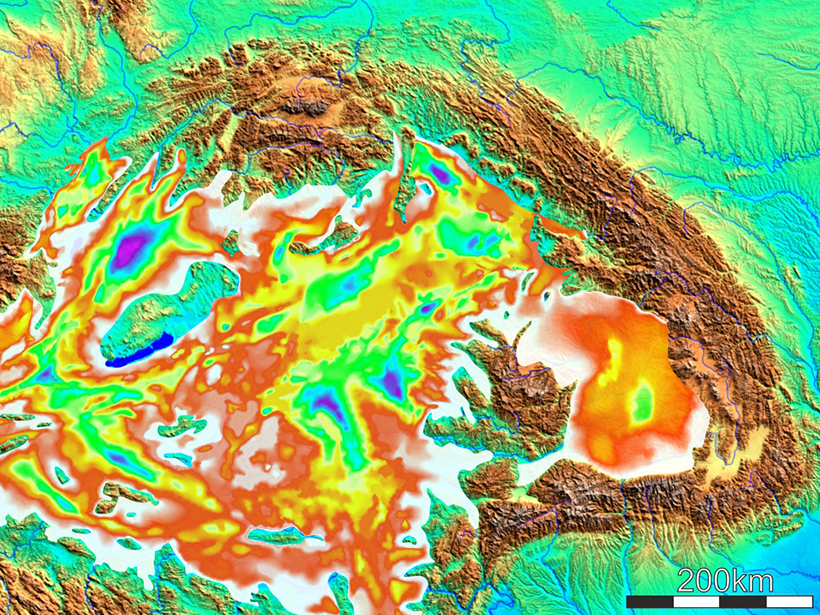
Unraveling the History of Central Europe's Pannonian Basin

A multidisciplinary model linking the sedimentary and tectonic histories of this structurally complex basin suggests that large amounts of extension occurred there between 20 and 9 million years ago.