• About
  • Special Reports
  • Topics
    • Climate
    • Earth Science
    • Oceans
    • Space & Planets
    • Health & Ecosystems
    • Culture & Policy
    • Education & Careers
    • Opinions
  • Projects
    • Postcards From the Field
    • ENGAGE
    • Editors’ Highlights
    • Editors’ Vox
    • Eos en Español
    • Eos 简体中文版
    • Print Archive: 2015–2025
  • Policy Tracker
  • Blogs
    • Research & Developments
    • The Landslide Blog
  • Newsletter
  • Submit to Eos
  • AGU.org
  • Career Center
  • Join AGU
  • Give to AGU
  • About
  • Special Reports
  • Topics
    • Climate
    • Earth Science
    • Oceans
    • Space & Planets
    • Health & Ecosystems
    • Culture & Policy
    • Education & Careers
    • Opinions
  • Projects
    • Postcards From the Field
    • ENGAGE
    • Editors’ Highlights
    • Editors’ Vox
    • Eos en Español
    • Eos 简体中文版
    • Print Archive: 2015–2025
  • Policy Tracker
  • Blogs
    • Research & Developments
    • The Landslide Blog
  • Newsletter
  • Submit to Eos
Skip to content
  • AGU.org
  • Career Center
  • Join AGU
  • Give to AGU
Eos

Eos

Science News by AGU

Support Eos
Sign Up for Newsletter
  • About
  • Special Reports
  • Topics
    • Climate
    • Earth Science
    • Oceans
    • Space & Planets
    • Health & Ecosystems
    • Culture & Policy
    • Education & Careers
    • Opinions
  • Projects
    • Postcards From the Field
    • ENGAGE
    • Editors’ Highlights
    • Editors’ Vox
    • Eos en Español
    • Eos 简体中文版
    • Print Archive: 2015–2025
  • Policy Tracker
  • Blogs
    • Research & Developments
    • The Landslide Blog
  • Newsletter
  • Submit to Eos

transdisciplinary science

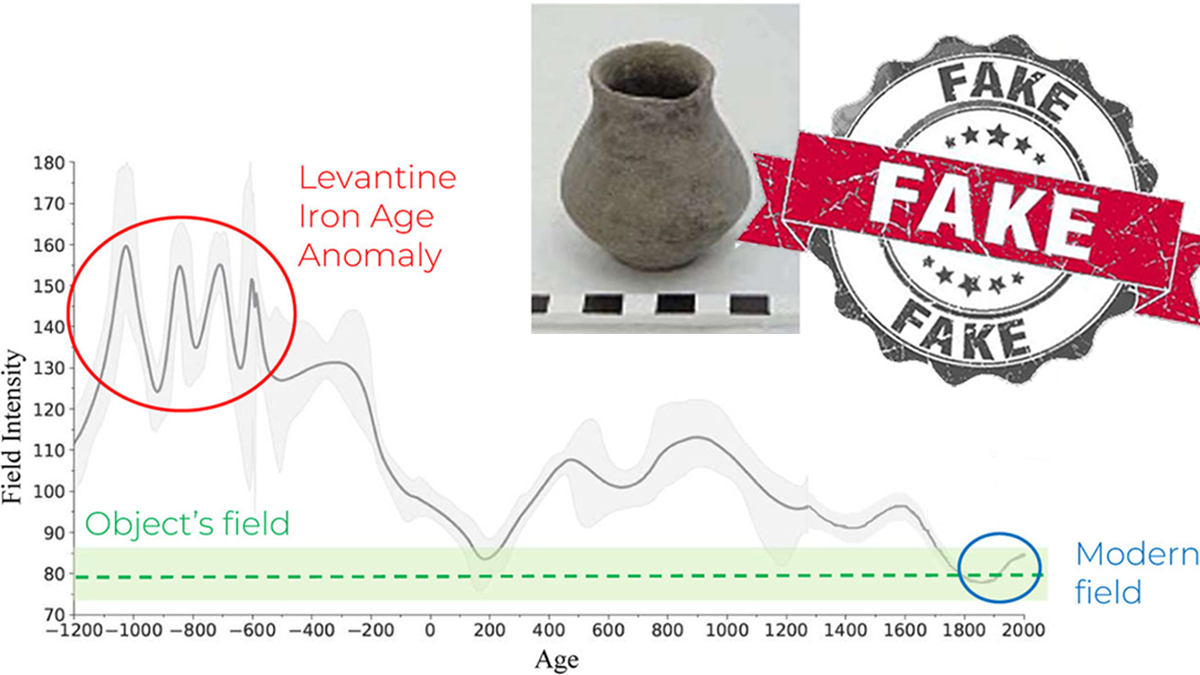
The upper left image shows a clay pot. The lower part of the image is a chart showing age on the x axis and field intensity on the y axis. From about 1050 BCE until 700 BCE, the field intensity is high and has four spikes. After that, it falls until it reaches a low at about 200 CE before rising slightly and falling again at about 1800 CE. The spiky high is circled and labeled “Levantine Iron Age Anomaly” in red. The low from about 1800 to 2000 CE is circled in blue and labeled “Modern field.” A green line of the field intensity of the pot intersects the modern field. In the upper right corner is a large “FAKE” stamp.
Posted inNews

Credible or Counterfeit: How Paleomagnetism Can Help Archaeologists Find Frauds

by Alka Tripathy-Lang 16 December 202516 December 2025

Duplicating artifacts that preserve records from biblical times is a lucrative business. A method used for both dating artifacts and reconstructing Earth’s history could identify phony pieces.

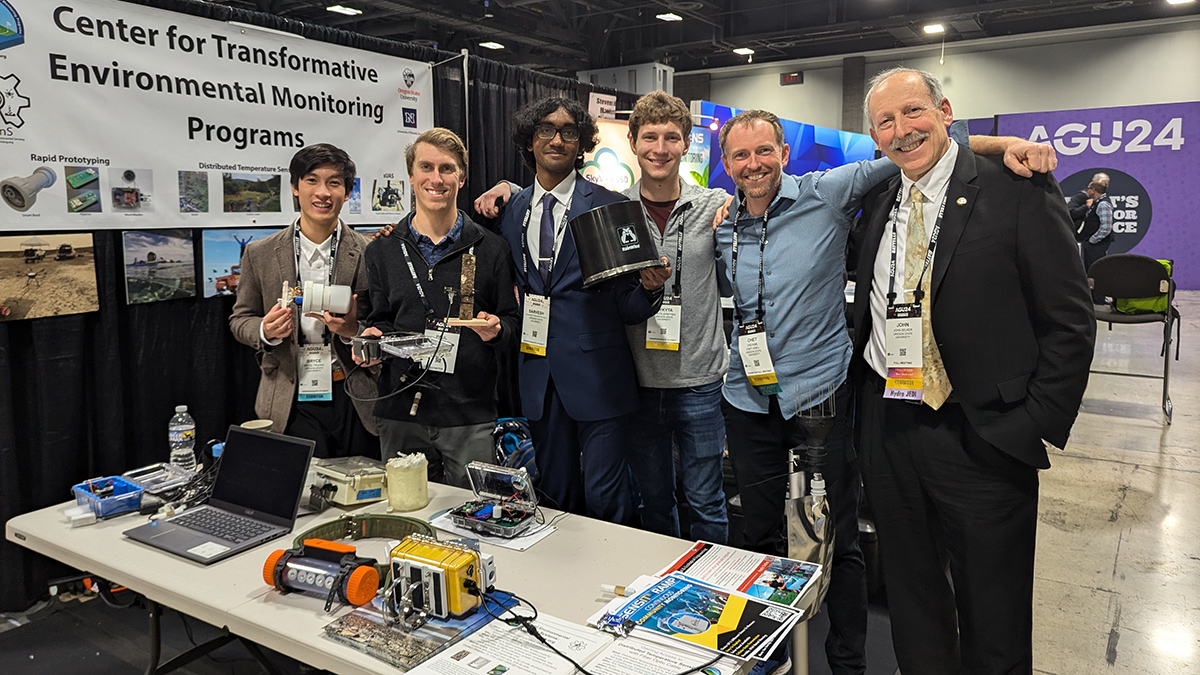
Chet Udell (second from right) and students at a MacGyver session at AGU24.
Posted inNews

Celebrating the MacGyver Spirit: Hacking, Tinkering, Scavenging, and Crowdsourcing

by Kate Evans 9 December 202511 December 2025

The MacGyver sessions allow scientist-tinkerers to have “nerd-on-nerd” discussions about do-it-yourself gadgets and gizmos.
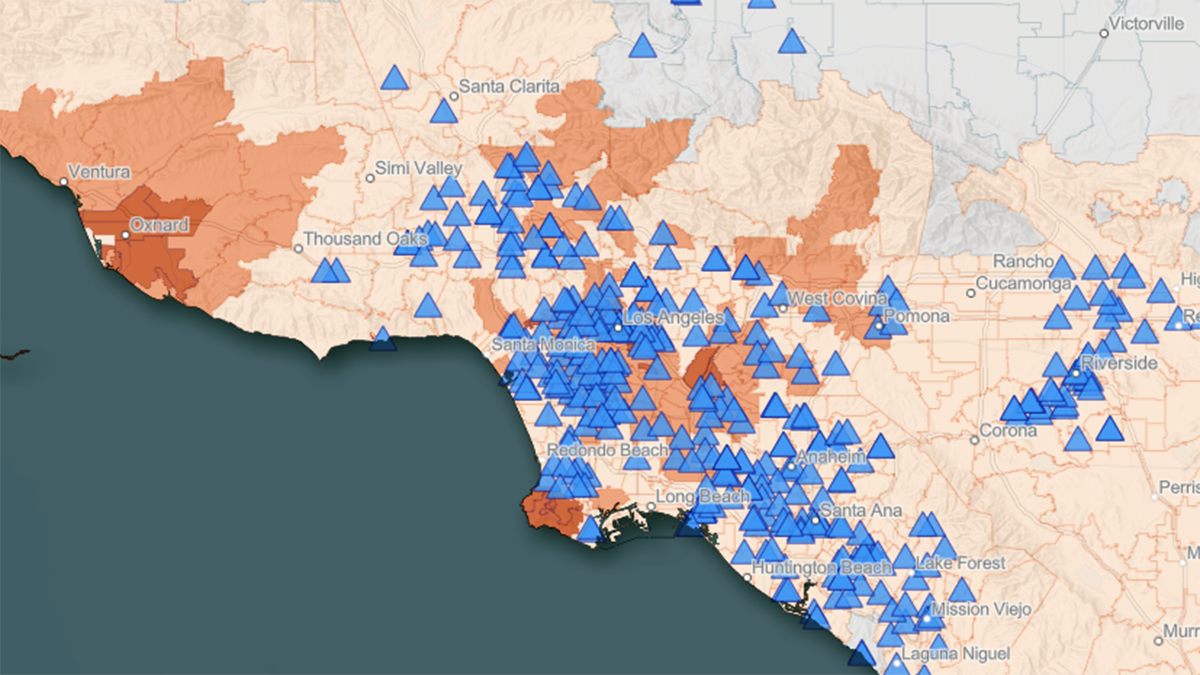
A map of Los Angeles with hotter zip codes shaded red. Blue triangles appear across the map.
Posted inNews

New Tool Maps the Overlap of Heat and Health in California

by J. Besl 19 November 202526 November 2025

CalHeatScore creates heat wave warnings for every zip code in California, using temperature data, socioeconomic indicators, and the history of emergency room visits, to predict heat-related health risk.
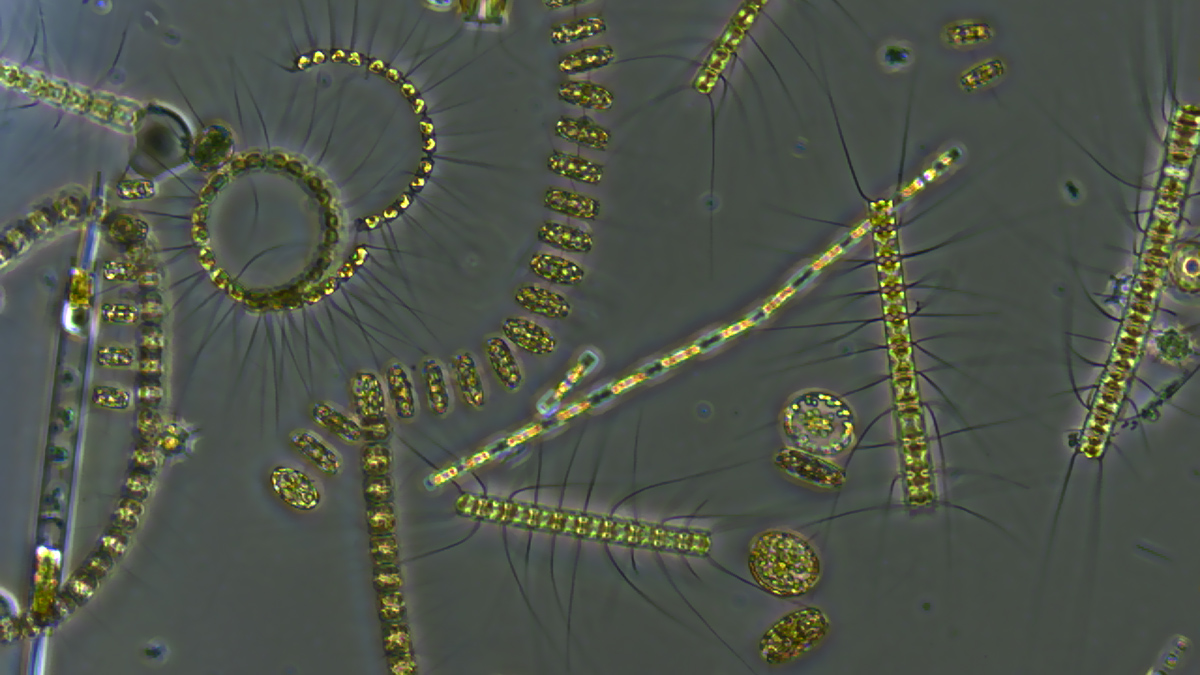
Against a gray background, strands of multicellular green organisms glow in artificial light.
Posted inNews

Marine Heat Waves Slow the Ocean’s Carbon Flow

by Mack Baysinger 3 November 20255 January 2026

When plankton find themselves in hot water, organic matters stalls at the surface and disrupts transport of carbon to the deep ocean.
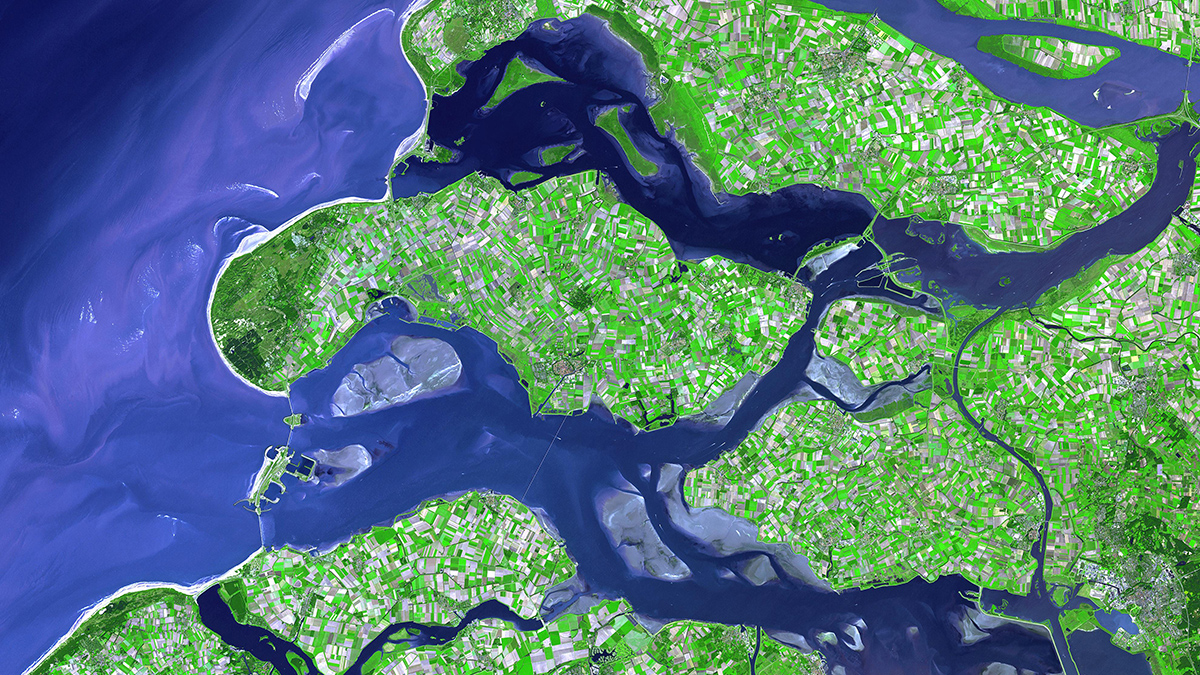
A satellite view of the southwestern coastline of the Netherlands shows a crisscross of rivers, estuaries, and canals.
Posted inNews

The Role of a Ditch in the Matrix

by Emily Gardner 31 October 202531 October 2025

These constructed waterways are often a “no-man’s-land” between terrestrial scientists and limnologists. But ditches’ role in transport, agriculture, biodiversity, greenhouse gas emissions, and even archaeology means it’s time to take a closer look.
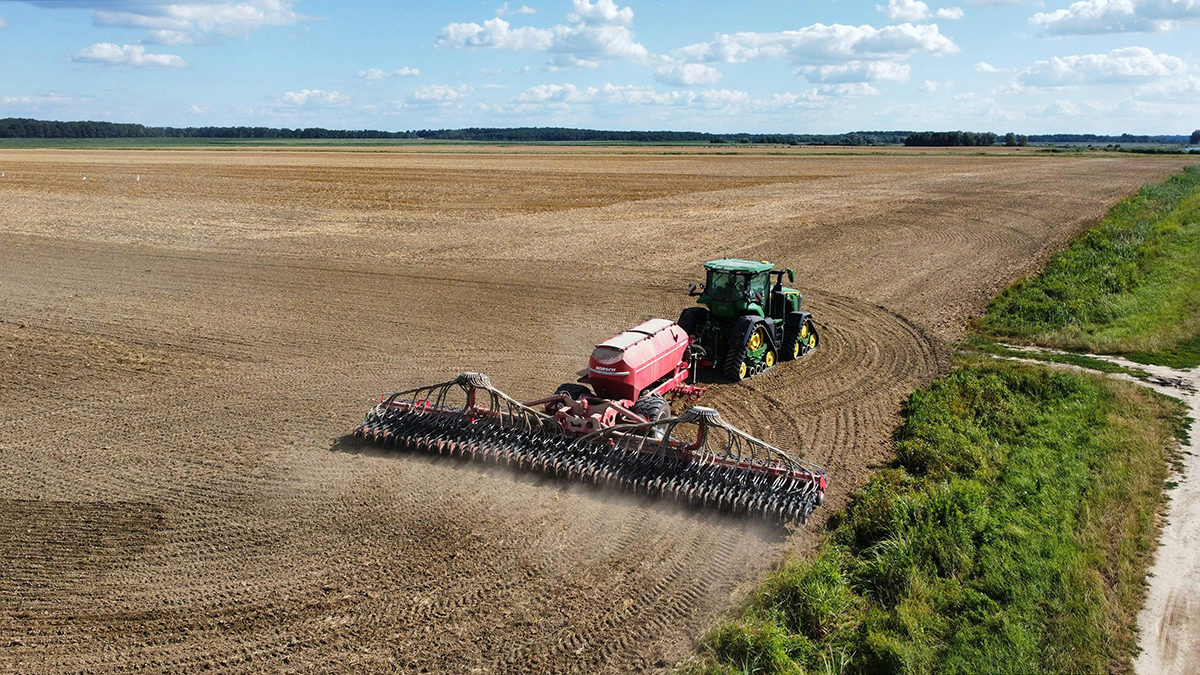
Aerial view of a green tractor pulling a red seeder across an large unplanted farm plot
Posted inOpinions

Scientists Must Join Forces to Solve Forecasting’s Predictability Desert

by Jadwiga H. Richter and Everette Joseph 17 October 202517 October 2025

To strengthen societal resilience to worsening natural hazards, siloed Earth system science communities must collaborate to understand conditions that favor skillful subseasonal-to-seasonal forecasts.
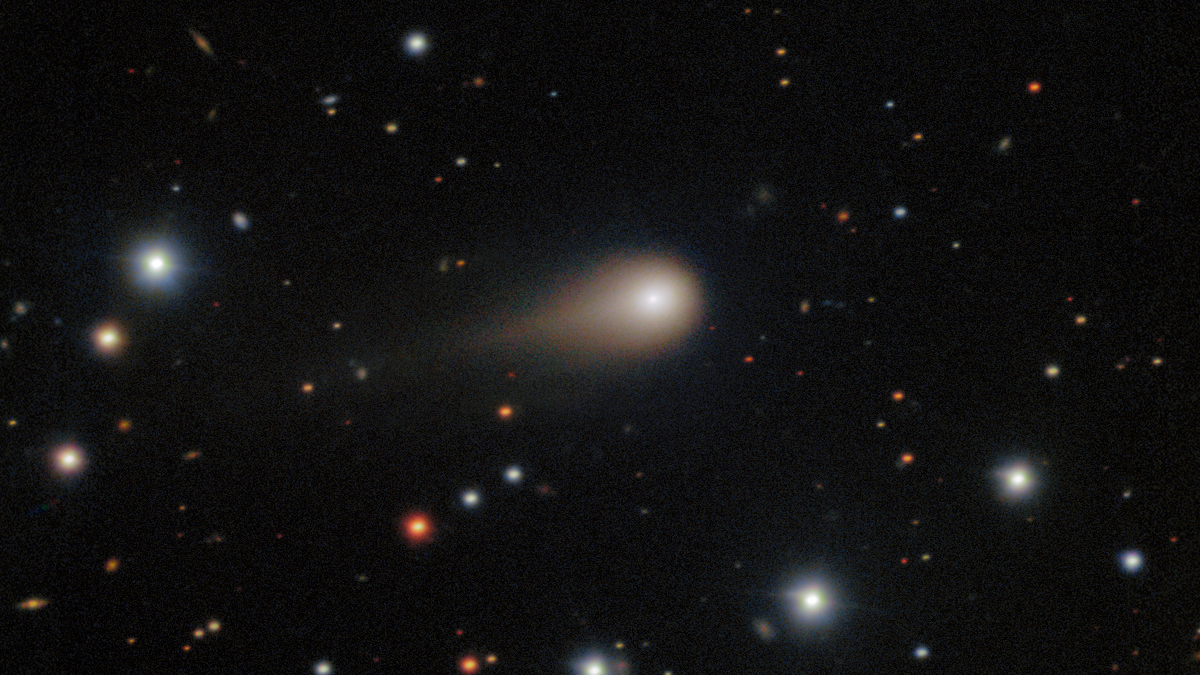
A comet with a compact coma and a short tail in front of a background of stars.
Posted inFeatures

How an Interstellar Interloper Spurred Astronomers into Action

Kimberly M. S. Cartier, News Writing and Production Intern for Eos.org by Kimberly M. S. Cartier 9 September 202510 February 2026

Valuable lessons from previous interstellar objects allowed scientists to develop a more rapid response when the third one arrived in July.

Animated image of people having a conversation around a globe
Posted inAGU News

The Climate Connection

by Caryl-Sue Micalizio 24 March 202524 March 2025

Scientists and stakeholders find common cause in tackling the greatest challenge of our time.

A shiny vehicle with sled skids and four pairs of helicopter-like blades flies over reddish sand dunes.
Posted inFeatures

A Dragonfly for Titan

by Matthew R. Francis 14 February 202514 February 2025

A new eight-rotor robotic probe will head to the solar system’s most Earth-like moon. Here’s what its team is doing to prepare.
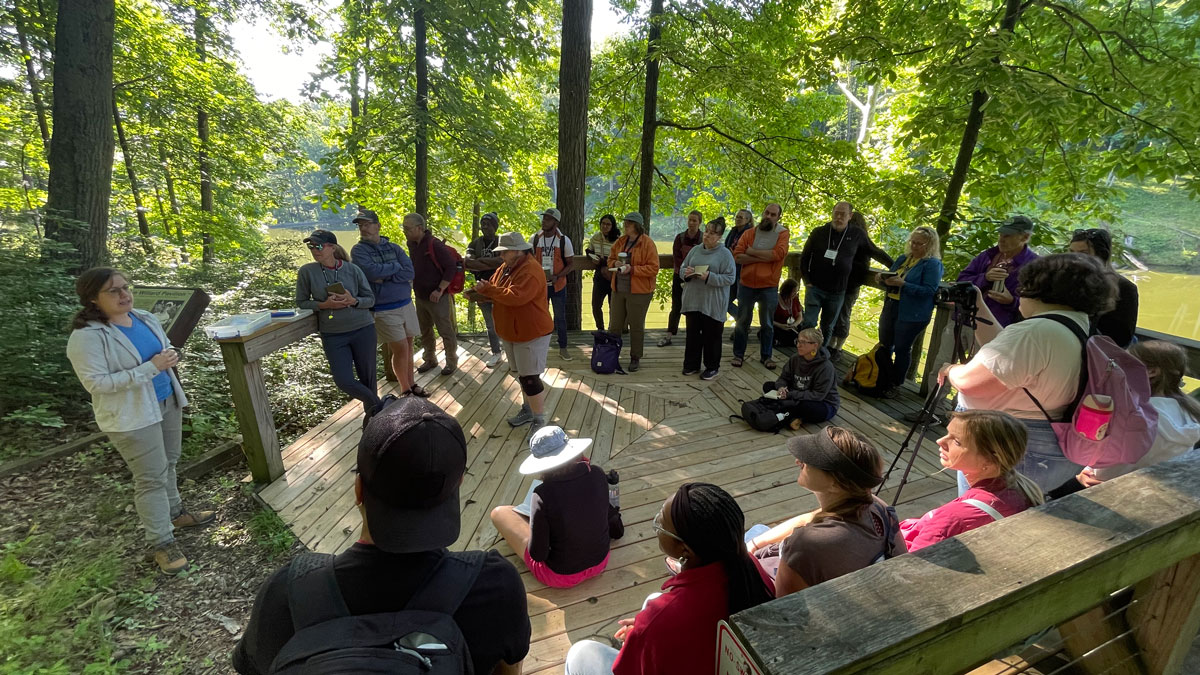
A group of about two dozen people stand (or sit) in a circle on a wooden platform amid a sunlit forest listening to another person speak.
Posted inFeatures

Integrating K–12 Teachers into Climate Education

by Michael Hamburger and J. Adam Scribner 5 February 20255 February 2025

Scientists and schoolteachers have teamed up to design training and classroom materials that help educators understand and teach the complex topic of climate change to tomorrow’s leaders.

Posts pagination

Newer posts 1 2 3 4 … 23 Older posts
Over a dark blue-green square appear the words Special Report: The State of the Science 1 Year On.

Features from AGU Publications

Research Spotlights

How the 2024 Solar Superstorm Drained Earth’s Radiation Belt

14 September 202614 September 2026
Editors' Highlights

Extreme Equatorial Storms are Larger and More Persistent Under Warming

15 September 202614 September 2026
Editors' Vox

In Appreciation of AGU’s Outstanding Reviewers of 2025

14 September 202610 September 2026
Eos logo at left; AGU logo at right

About Eos
ENGAGE
Awards
Contact

Advertise
Submit
Career Center
Sitemap

© 2026 American Geophysical Union. All rights reserved Powered by Newspack