• About
  • Special Reports
  • Topics
    • Climate
    • Earth Science
    • Oceans
    • Space & Planets
    • Health & Ecosystems
    • Culture & Policy
    • Education & Careers
    • Opinions
  • Projects
    • Postcards From the Field
    • ENGAGE
    • Editors’ Highlights
    • Editors’ Vox
    • Eos en Español
    • Eos 简体中文版
    • Print Archive: 2015–2025
  • Policy Tracker
  • Blogs
    • Research & Developments
    • The Landslide Blog
  • Newsletter
  • Submit to Eos
  • AGU.org
  • Career Center
  • Join AGU
  • Give to AGU
  • About
  • Special Reports
  • Topics
    • Climate
    • Earth Science
    • Oceans
    • Space & Planets
    • Health & Ecosystems
    • Culture & Policy
    • Education & Careers
    • Opinions
  • Projects
    • Postcards From the Field
    • ENGAGE
    • Editors’ Highlights
    • Editors’ Vox
    • Eos en Español
    • Eos 简体中文版
    • Print Archive: 2015–2025
  • Policy Tracker
  • Blogs
    • Research & Developments
    • The Landslide Blog
  • Newsletter
  • Submit to Eos
Skip to content
  • AGU.org
  • Career Center
  • Join AGU
  • Give to AGU
Eos

Eos

Science News by AGU

Support Eos
Sign Up for Newsletter
  • About
  • Special Reports
  • Topics
    • Climate
    • Earth Science
    • Oceans
    • Space & Planets
    • Health & Ecosystems
    • Culture & Policy
    • Education & Careers
    • Opinions
  • Projects
    • Postcards From the Field
    • ENGAGE
    • Editors’ Highlights
    • Editors’ Vox
    • Eos en Español
    • Eos 简体中文版
    • Print Archive: 2015–2025
  • Policy Tracker
  • Blogs
    • Research & Developments
    • The Landslide Blog
  • Newsletter
  • Submit to Eos

water cycle

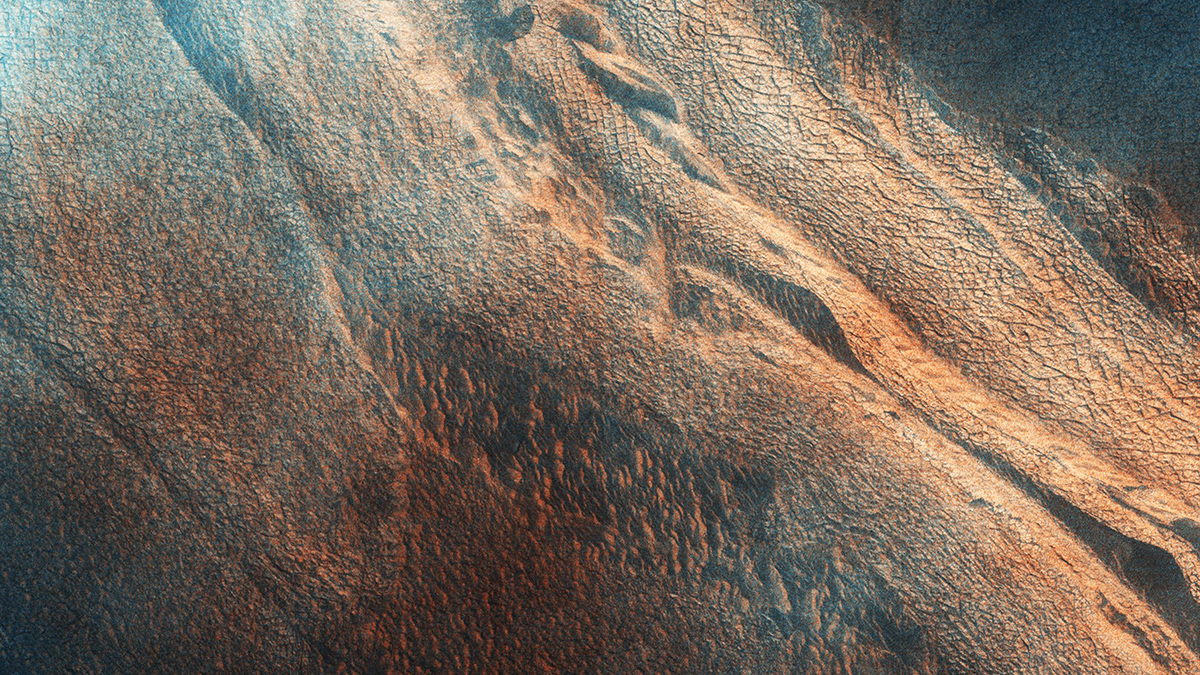
A mottled red and blue surface with ridges, valleys, and cracks. The ridges sweep from top left to bottom right.
Posted inNews

Where Did Formaldehyde Rain Down on Mars? Almost Everywhere.

Kimberly M. S. Cartier, News Writing and Production Intern for Eos.org by Kimberly M. S. Cartier 22 October 202622 October 2026

More formaldehyde rained down in places that were already wet and favorable for prebiotic chemistry.

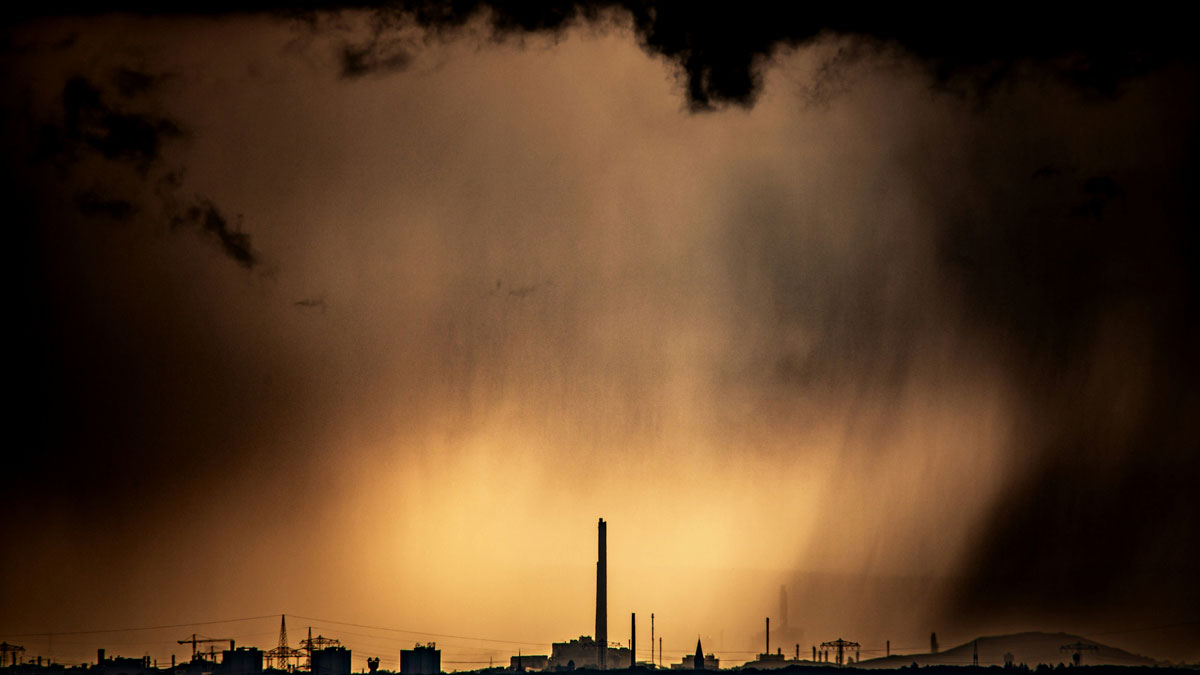
A series of buildings, including several structures that appear to be smokestacks, are silhouetted against a brown sky. Dark clouds are stretched above the buildings.
Posted inResearch Spotlights

Volatile Organic Compounds Have Been Underestimated in the Carbon Cycle

by Rebecca Dzombak 16 September 202616 September 2026

Better tracking of these reactive compounds is essential for understanding how the atmosphere and terrestrial biosphere interact.
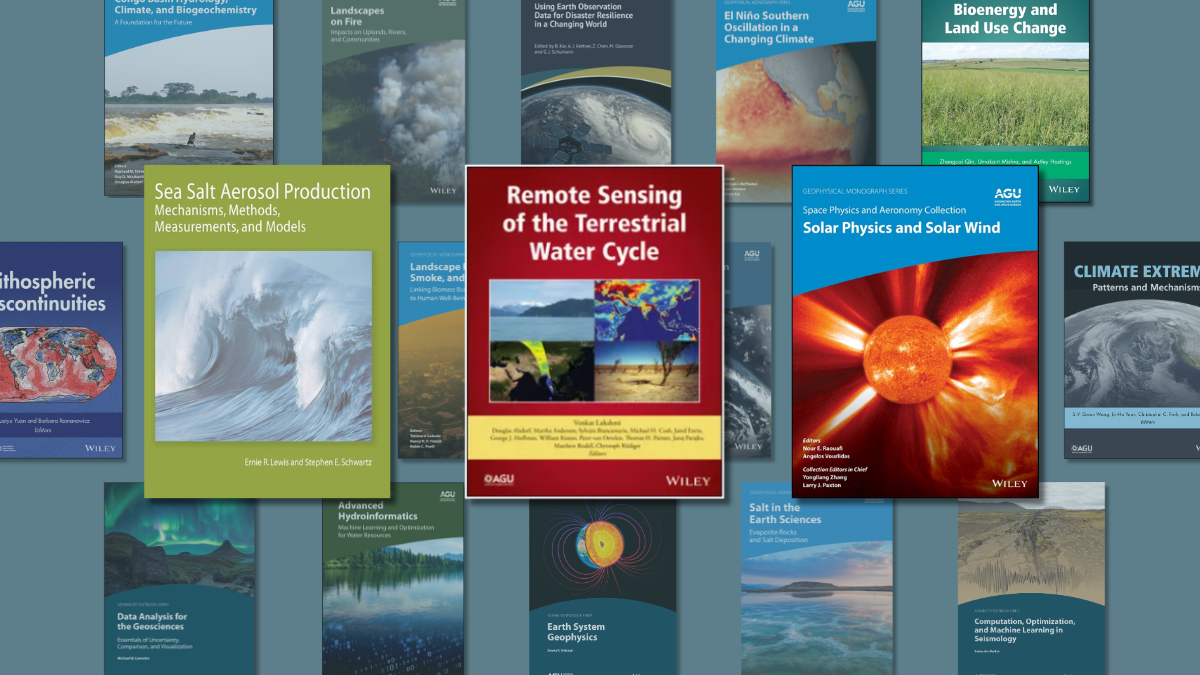
A graphic showing AGU book covers through the years.
Posted inEditors' Vox

7 Decades of Books Leave a Lasting Legacy

by Dara Liling, Venkataraman Lakshmi, Ernie R. Lewis, Larry J. Paxton, Stephen E. Schwartz and Yongliang Zhang 3 June 202627 May 2026

Authors and Editors reflect on the lasting impacts of their books in honor of the AGU Books Program’s 70th anniversary.
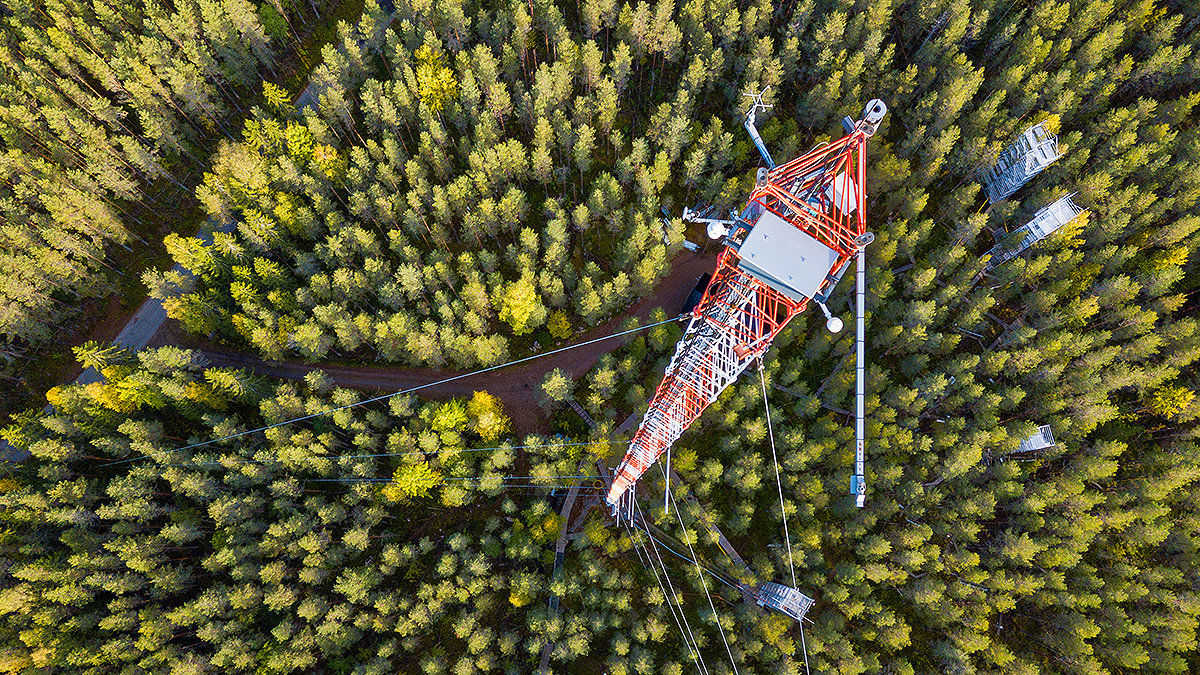
A red and white scaffolded tower is seen from above, poking far above a sea of trees below.
Posted inResearch Spotlights

Improving Eddy Tower Evapotranspiration Estimates

by Rebecca Dzombak 20 May 202620 May 2026

Understanding evapotranspiration rates is important. A new technique aims to make their calculation more efficient.
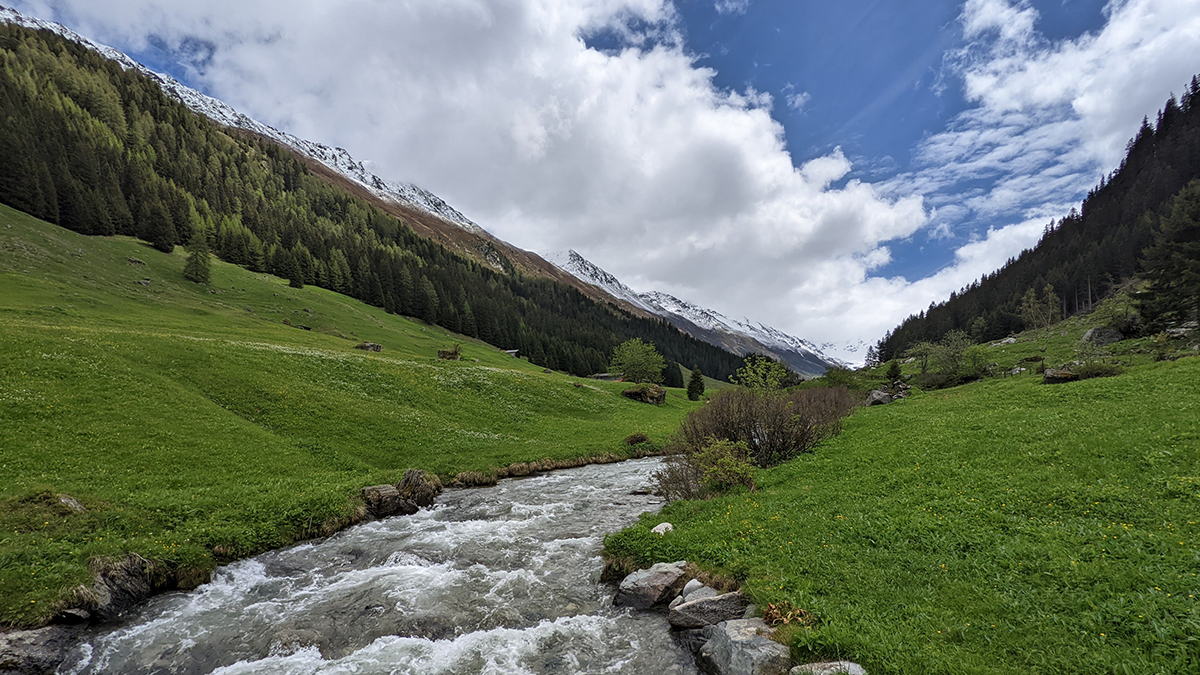
A river flowing through a mountainous region.
Posted inEditors' Vox

Tracing Water’s Hidden Journey Through the Earth’s Living Skin

by Andrea L. Popp and Harsh Beria 13 May 202612 May 2026

Water’s natural fingerprints reveal how it’s stored, mixed, and released through the Earth’s Critical Zone, potentially improving Earth System models in a rapidly warming world.
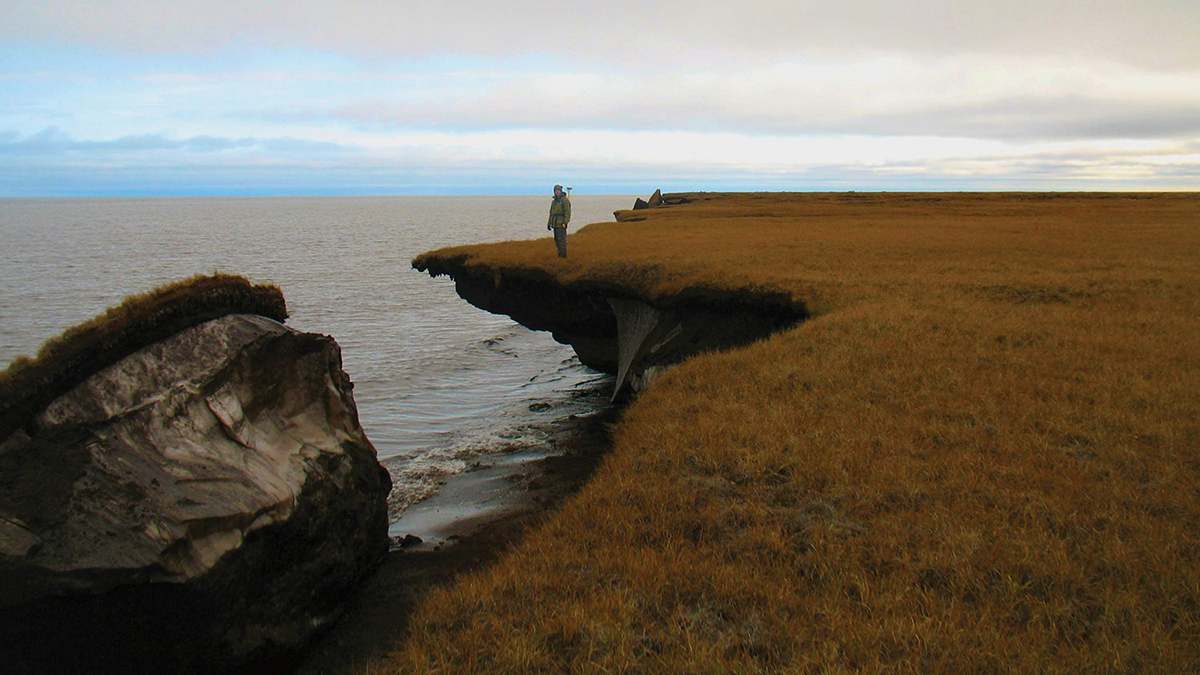
Person standing next to a large block of eroded permafrost by an ocean.
Posted inEditors' Vox

How Frozen Ground Controls Water in a Warming World

by Ying Zhao 17 March 202617 March 2026

Frozen ground acts like a hidden underground dam. As it thaws, water pathways shift, changing rivers, wetlands, ecosystems, and infrastructure across cold regions.

White streaks are seen across a blue sky over a body of water. In the distance is the Chicago city skyline.
Posted inNews

New Insights into the Foggy Role of Contrails Within Clouds

by Syris Valentine 12 January 202612 January 2026

New research helps clarify how frequently contrails form within clouds and what that means for their effect on the climate.

A new analysis of atmospheric patterns over Hawaii could improve forecasts of rainfall anomalies.
Posted inNews

Globe-Trotting Weather Pattern Influences Rainfall in Hawaii

by Kari Goodbar 18 December 202518 December 2025

Isolated islands that depend on rainfall could benefit from improved forecasting of near-future events, and understanding the Madden-Julian Oscillation could hold an important key.
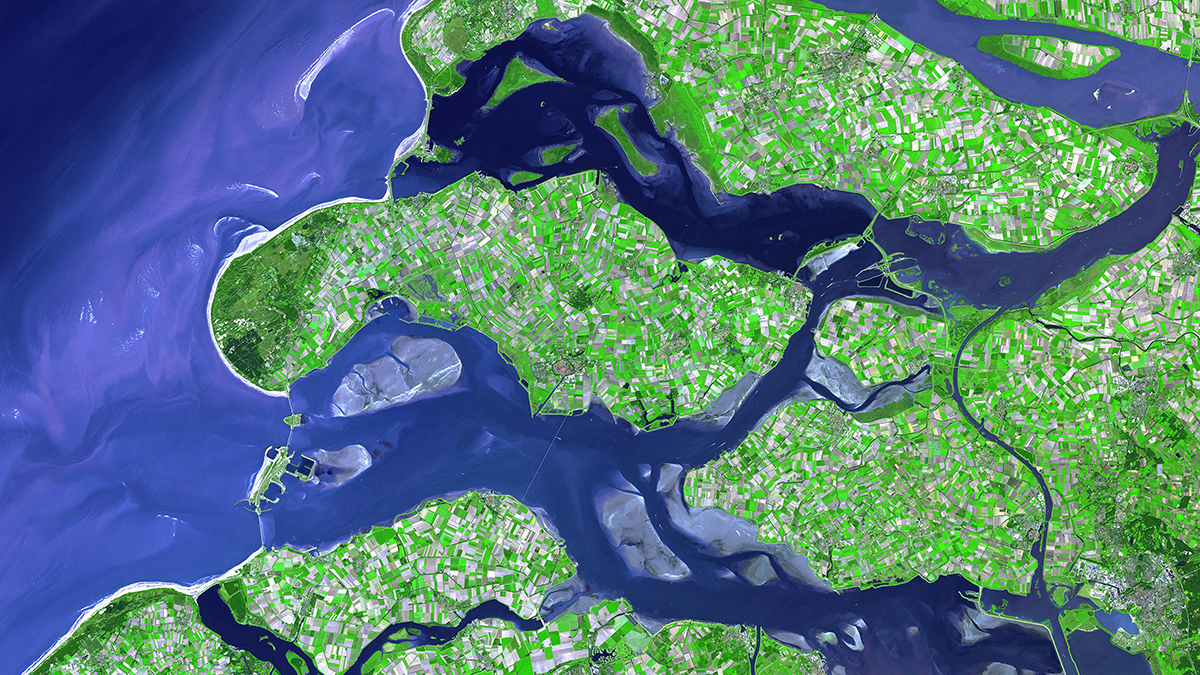
A satellite view of the southwestern coastline of the Netherlands shows a crisscross of rivers, estuaries, and canals.
Posted inNews

The Role of a Ditch in the Matrix

by Emily Gardner 31 October 202531 October 2025

These constructed waterways are often a “no-man’s-land” between terrestrial scientists and limnologists. But ditches’ role in transport, agriculture, biodiversity, greenhouse gas emissions, and even archaeology means it’s time to take a closer look.

The pinkish-red Sun shines through a dense canopy of tree branches.
Posted inResearch Spotlights

How Plants Respond to Scattered Sunlight

by Rebecca Owen 14 July 202514 July 2025

A new study investigates how diffuse light affects evapotranspiration and carbon uptake across forest, grassland, shrub, and agricultural areas.

Posts pagination

1 2 3 … 12 Older posts
Over a dark blue-green square appear the words Special Report: The State of the Science 1 Year On.

Features from AGU Publications

Research Spotlights

A Decade of Carbon Dioxide Data from Space Gets an Upgrade

30 October 202630 October 2026
Editors' Highlights

Connecting Radio Wave Disruption to “Hot” Charged Particles from Afar

30 October 202630 October 2026
Editors' Vox

Opening Access to Earth Observation Data for Disaster Mitigation

21 October 202620 October 2026
Eos logo at left; AGU logo at right

About Eos
ENGAGE
Awards
Contact

Advertise
Submit
Career Center
Sitemap

© 2026 American Geophysical Union. All rights reserved Powered by Newspack