



Áine O’Brien, ” Asteroid Hosts All Ingredients for DNA and RNA”
SPACE & PLANETS ARCHIVE

Rocket Launches and Reentries Harm Earth’s Ozone Layer
Solid-state fuels—recently used to help launch astronauts to the Moon for the first time in decades—appear to be the fuel type with the most detrimental effects on the ozone.
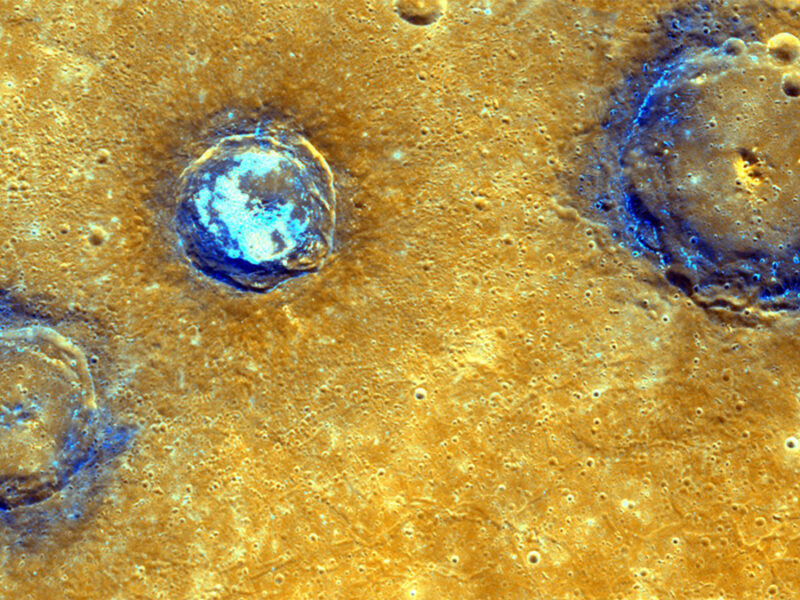
A Unique African Volcano Could Solve a Mystery on Mercury
New data from Ol Doinyo Lengai in Tanzania suggest that carbon-rich volcanic activity could be responsible for the mysterious “hollows” observed on the surface of Mercury.
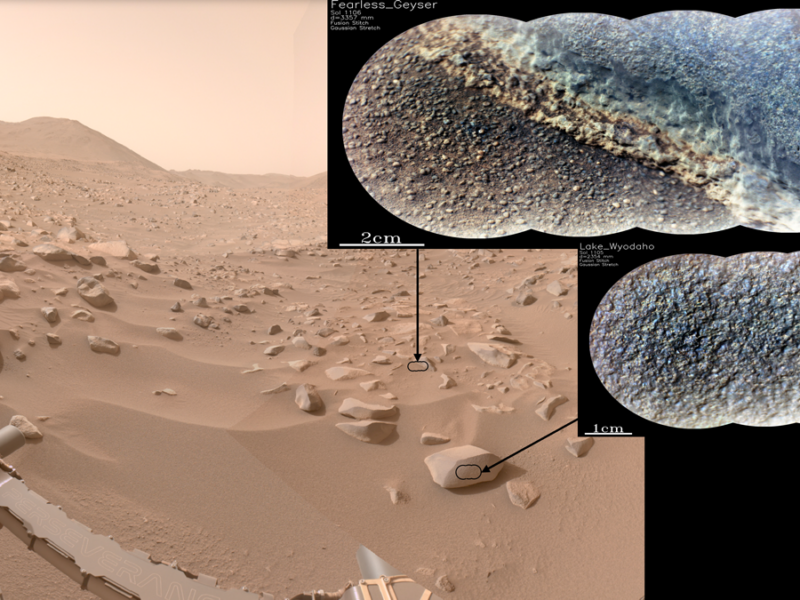
Carbon-Rich Rocks May Have Cooled the Ancient Martian Atmosphere
Data from the Perseverance rover indicate abundant carbonates in Jezero Crater, a finding with implications for Mars’s climatic history.
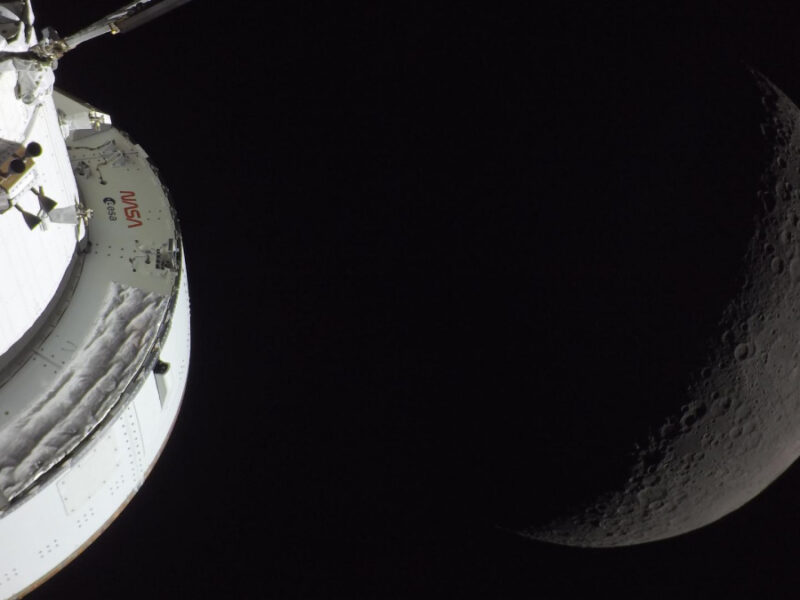
NASA Announces “Realignment” Toward Human Spaceflight
NASA announced an agencywide realignment that includes combining related mission directorates to sharpen the agency’s focus on human spaceflight.

What Winds Whip Up Otherworldly Waves?
New research goes back to the basics to explain how atmospheric conditions affect the creation of wind-driven waves on other worlds.
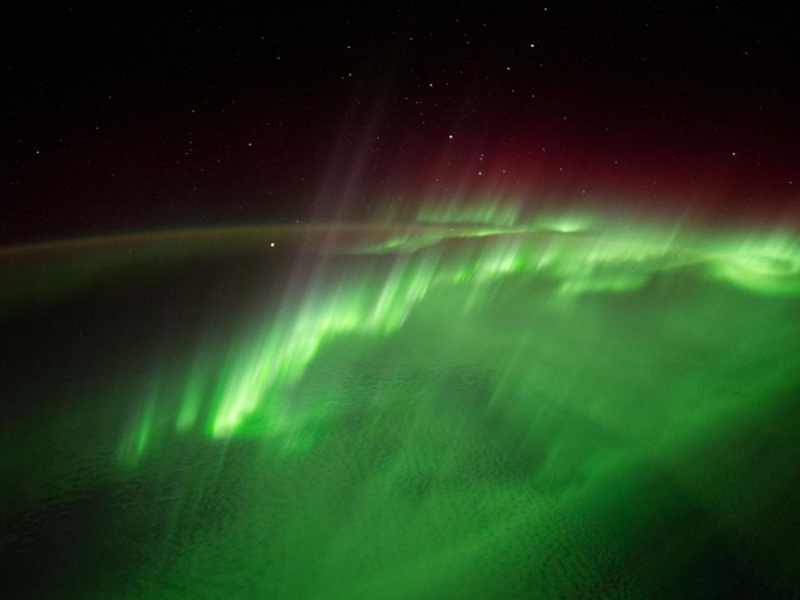
Undulations in Auroral Arcs at Plasmaspheric Plume Boundary
Undulations in detached auroral arcs unveil intricate interactions between energetic ions and electromagnetic ion cyclotron waves at plasmaspheric plume boundary.
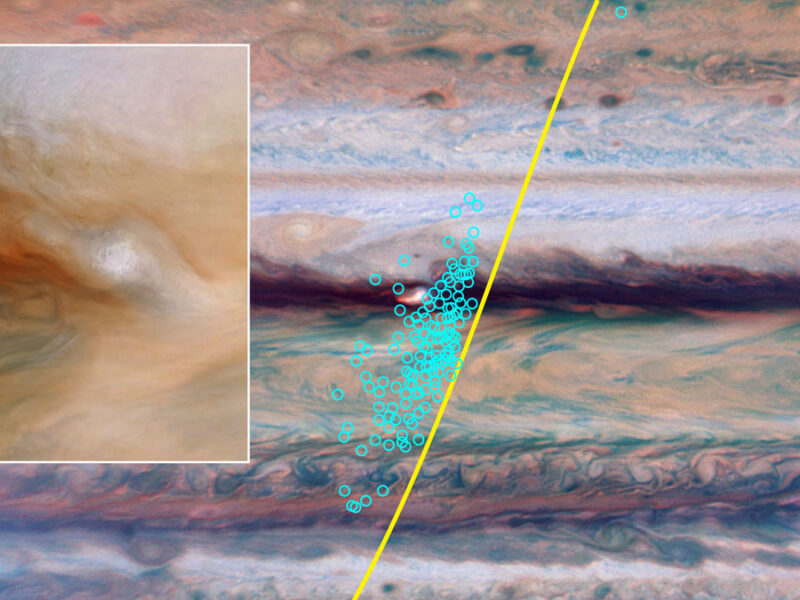
超级闪电之外-隐形超级风暴揭示木星上的闪电
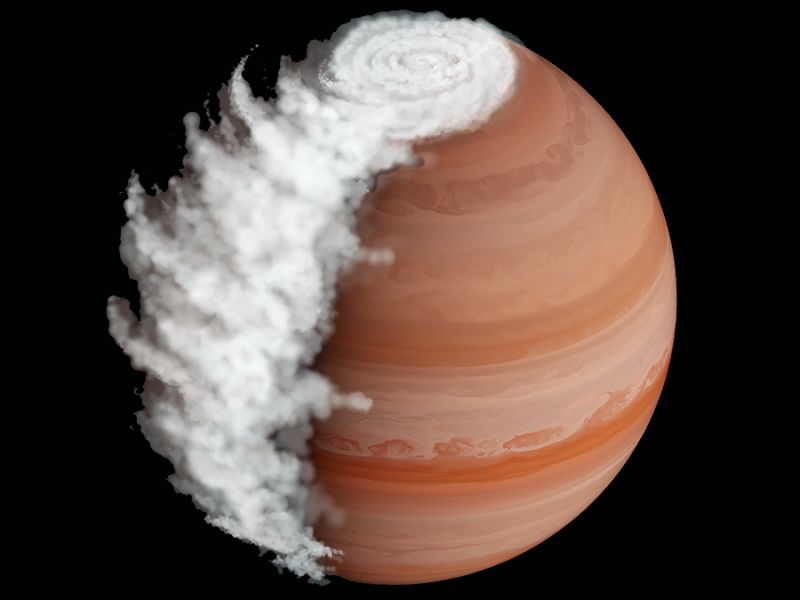
在气态巨行星木星上,闪电的强度和频率似乎比人们之前所认为的更为多样。
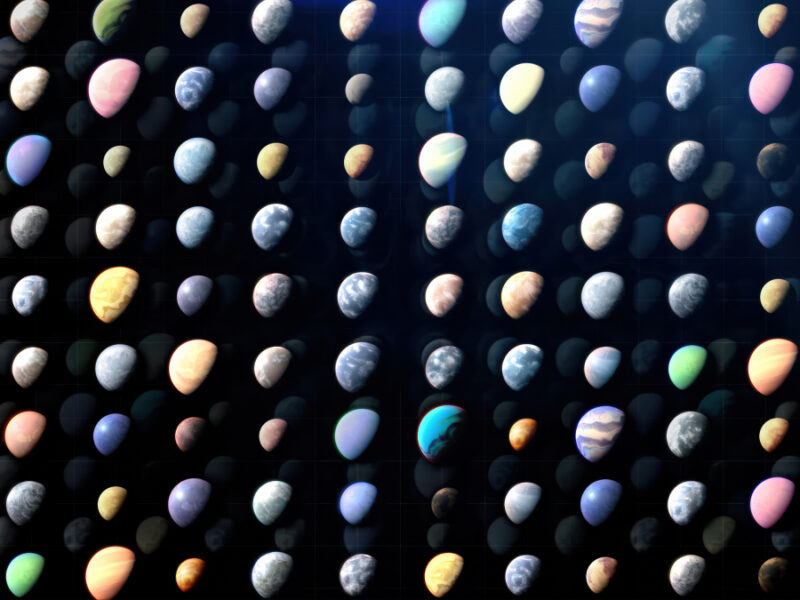
Astronomers Find 10,000 Potential New Exoplanets
That’s more than were detected in the entirety of NASA’s Kepler mission and its follow-on K2 and more than double the existing planet candidates from TESS that await confirmation.
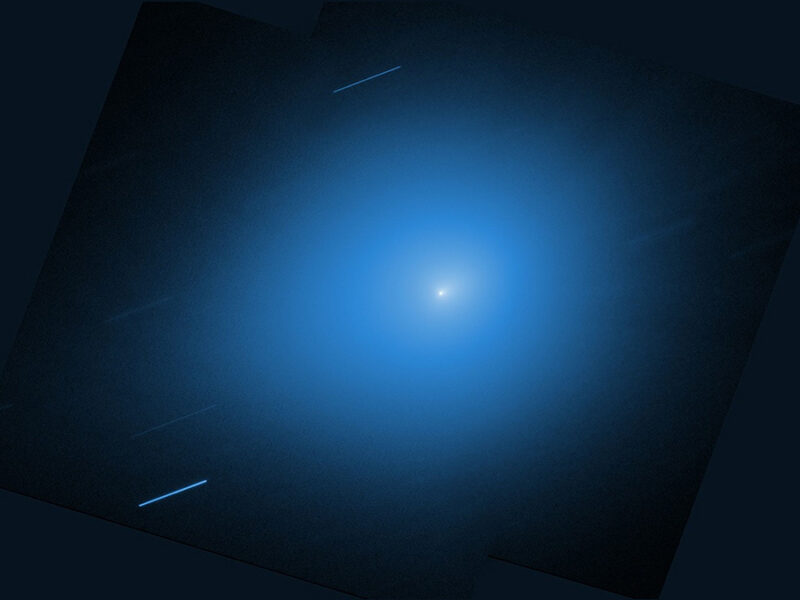
Interstellar Comet Was Born in a Very Cold Place
3I/ATLAS’s chemistry suggests that it formed in a much colder environment than our solar system did.
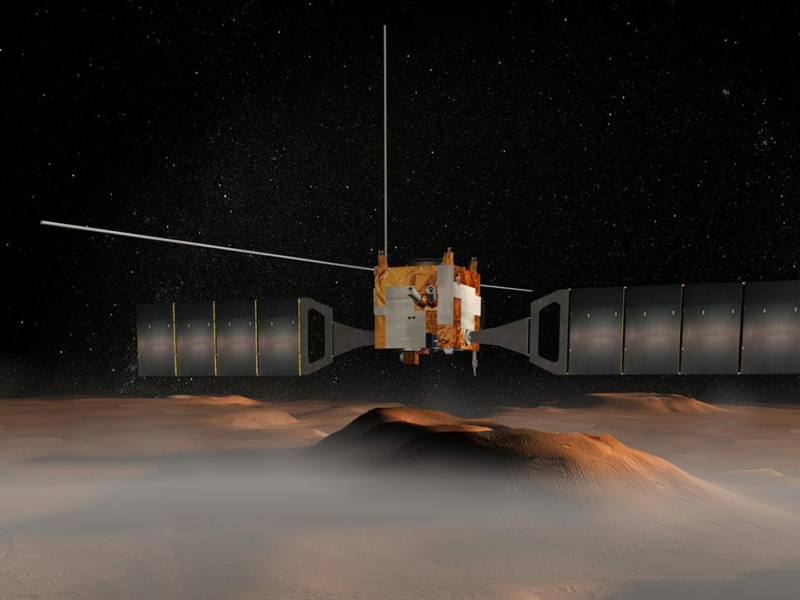
Martian Aerosols Reveal Dynamics of Dust and Cloud Transport
A new study presents a nine-Martian-year survey of dust and water ice clouds vertical distribution, key drivers of the planet’s climate.
Something went wrong. Please refresh the page and/or try again.