• About
  • Special Reports
  • Topics
    • Climate
    • Earth Science
    • Oceans
    • Space & Planets
    • Health & Ecosystems
    • Culture & Policy
    • Education & Careers
    • Opinions
  • Projects
    • Postcards From the Field
    • ENGAGE
    • Editors’ Highlights
    • Editors’ Vox
    • Eos en Español
    • Eos 简体中文版
    • Print Archive: 2015–2025
  • Policy Tracker
  • Blogs
    • Research & Developments
    • The Landslide Blog
  • Newsletter
  • Submit to Eos
  • AGU.org
  • Career Center
  • Join AGU
  • Give to AGU
  • About
  • Special Reports
  • Topics
    • Climate
    • Earth Science
    • Oceans
    • Space & Planets
    • Health & Ecosystems
    • Culture & Policy
    • Education & Careers
    • Opinions
  • Projects
    • Postcards From the Field
    • ENGAGE
    • Editors’ Highlights
    • Editors’ Vox
    • Eos en Español
    • Eos 简体中文版
    • Print Archive: 2015–2025
  • Policy Tracker
  • Blogs
    • Research & Developments
    • The Landslide Blog
  • Newsletter
  • Submit to Eos
Skip to content
  • AGU.org
  • Career Center
  • Join AGU
  • Give to AGU
Eos

Eos

Science News by AGU

Support Eos
Sign Up for Newsletter
  • About
  • Special Reports
  • Topics
    • Climate
    • Earth Science
    • Oceans
    • Space & Planets
    • Health & Ecosystems
    • Culture & Policy
    • Education & Careers
    • Opinions
  • Projects
    • Postcards From the Field
    • ENGAGE
    • Editors’ Highlights
    • Editors’ Vox
    • Eos en Español
    • Eos 简体中文版
    • Print Archive: 2015–2025
  • Policy Tracker
  • Blogs
    • Research & Developments
    • The Landslide Blog
  • Newsletter
  • Submit to Eos

ecosystems

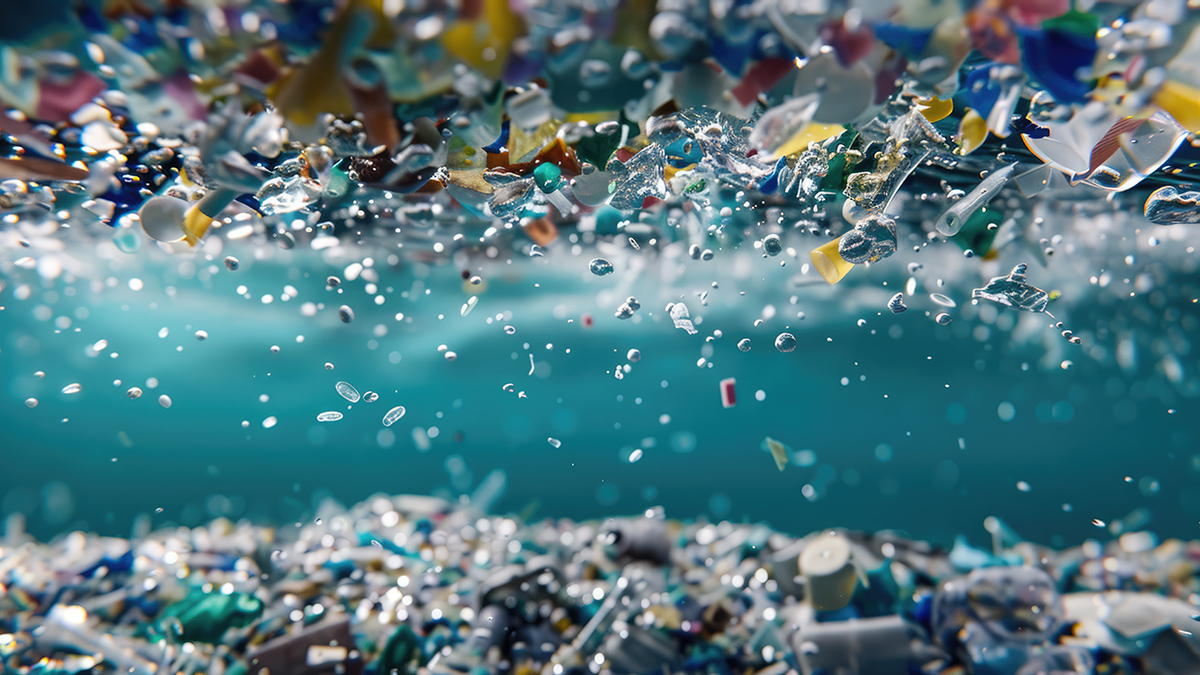
Many small, colorful pieces of plastic float in teal-blue water.
Posted inAGU News

Millions of Invaders Are Attacking the Ocean, and the Ocean Is Losing

by Caryl-Sue Micalizio 1 July 20261 July 2026

Every year, an additional 11 million tons of microplastics permeate the water column and marine ecosystems within it. Geoscience is contributing to strategies that aim to identify microplastic movements—and stop them.

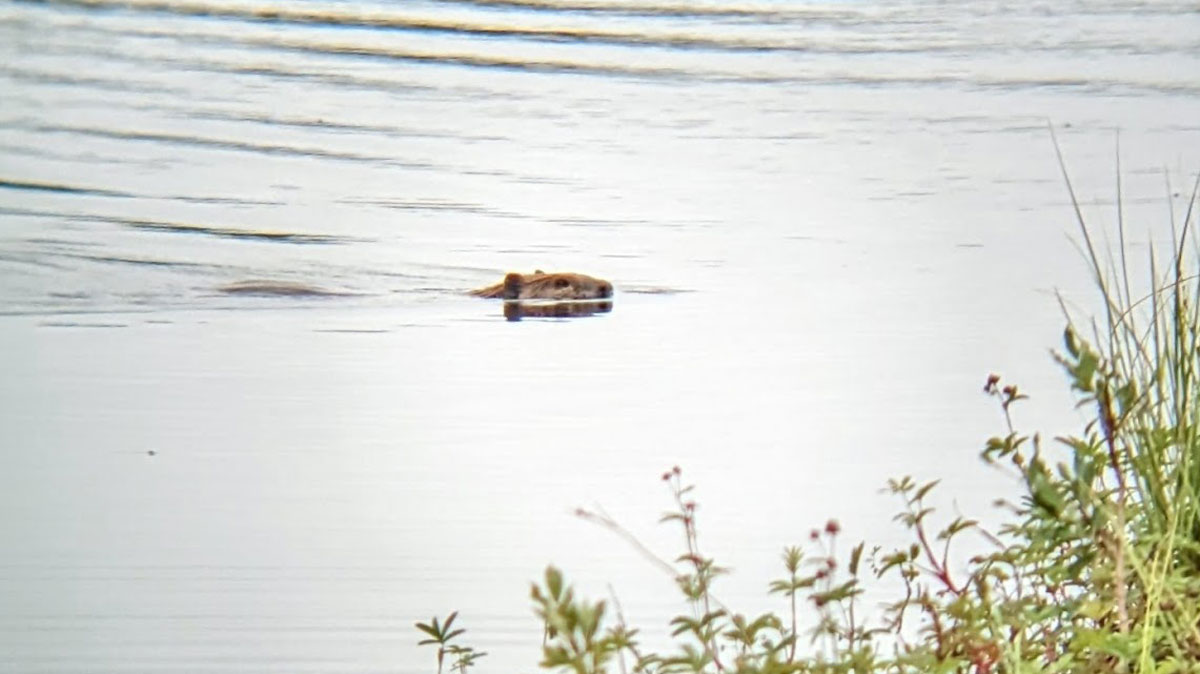
A beaver’s head sticks out from the surface of a pond as it swims.
Posted inNews

How Beavers Gnawed Their Way into the Arctic

by Grace van Deelen 30 June 202630 June 2026

Historical data on beavers’ Arctic expansion are lacking, but tree rings are shedding light on the timeline.
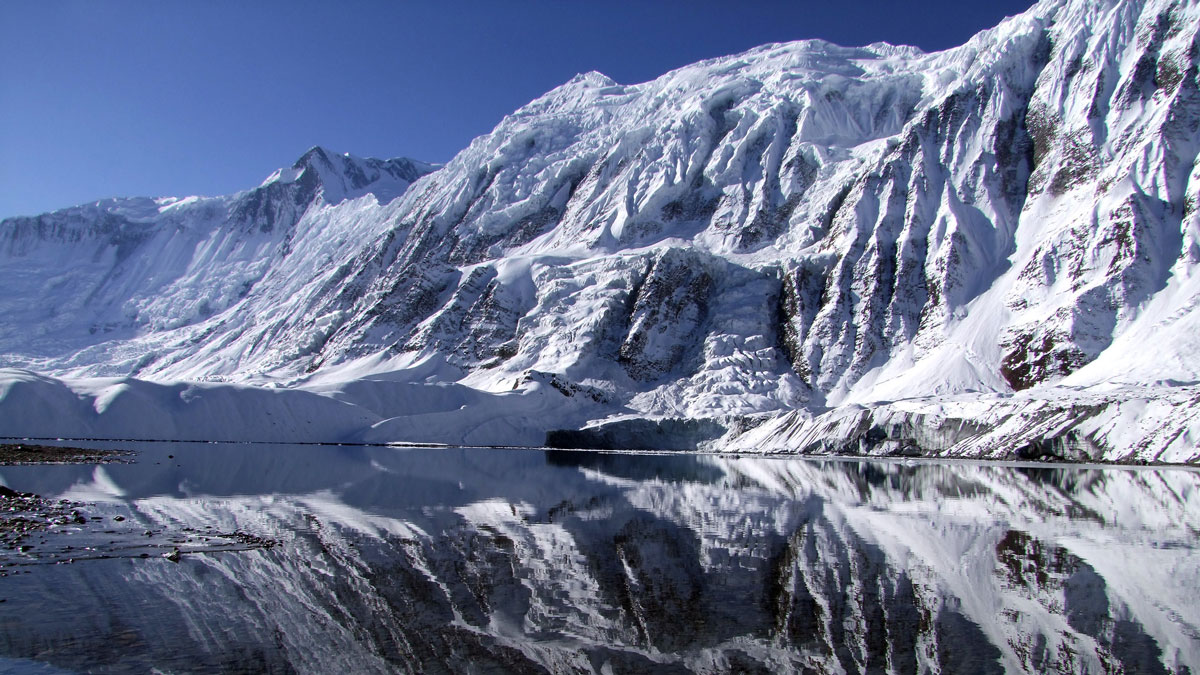
A snowy mountain is reflected on a lake.
Posted inNews

Trekking Tourism Leaves a Microplastic Footprint in a High Himalayan Lake

by Saugat Bolakhe 15 June 20261 July 2026

Plastic pollution may ripple downstream, threatening the human and wildlife communities that depend on glacier-fed waters.
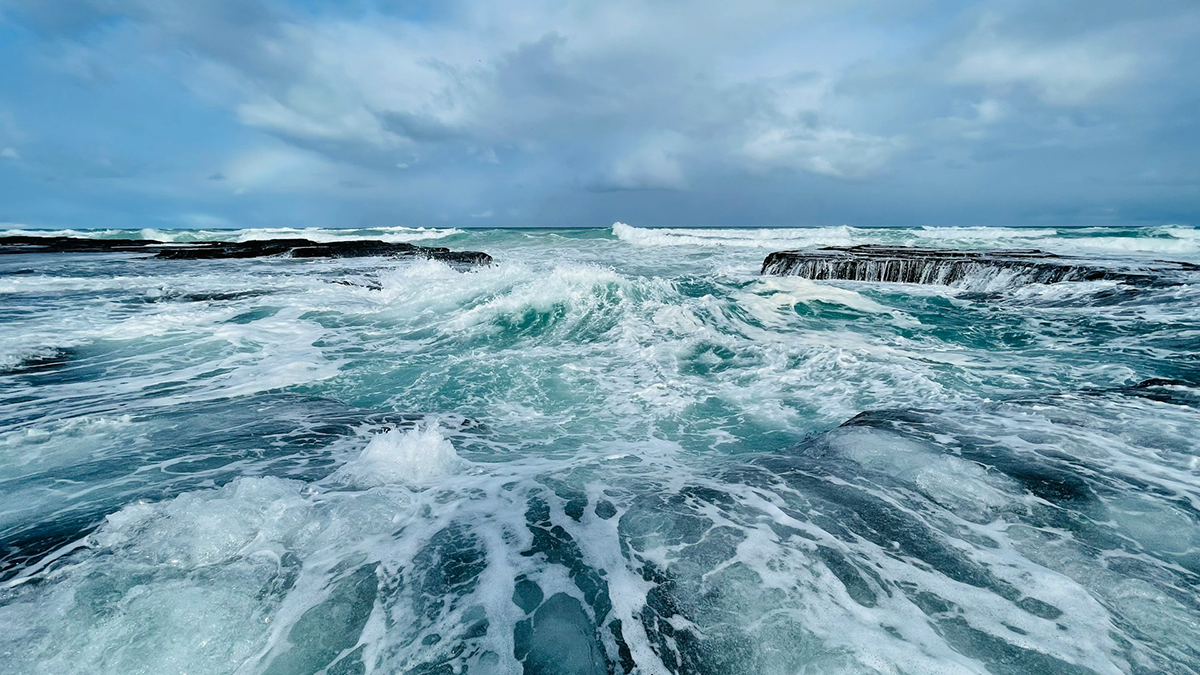
Photo of ocean waves.
Posted inEditors' Vox

Small-Scale Indian Ocean Dynamics Underpin Marine Ecology and Climate

by Lei Zhou, Dongxiao Wang, Lin Wang and Chunhua Qiu 4 June 20263 June 2026

With unique monsoon, mesoscale and submesoscale processes, the Indian Ocean offers critical insights and new challenges to achieving a full understanding of marine environments and the Earth system.
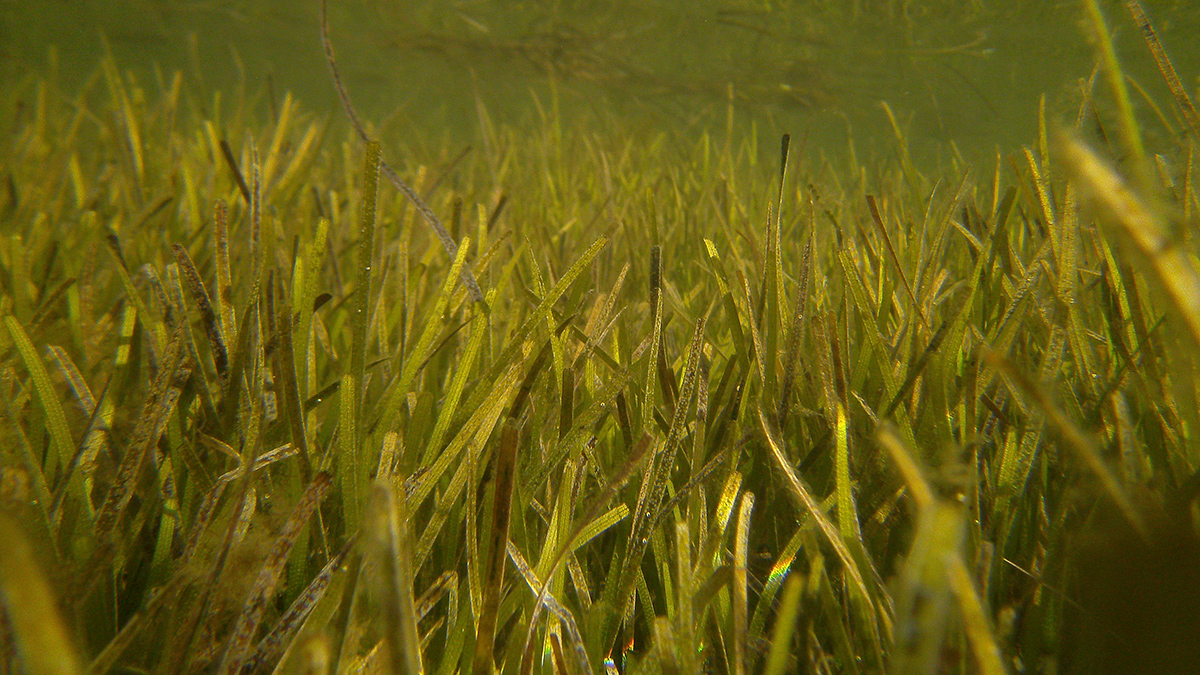
An underwater image shows a collection of green seagrasses.
Posted inNews

Warm Waters Disrupt Seagrasses’ Microbial Environment

by Grace van Deelen 22 May 202622 May 2026

Microbial communities in ocean sediments become imbalanced as water temperatures rise, harming seagrass growth, a new study suggests.
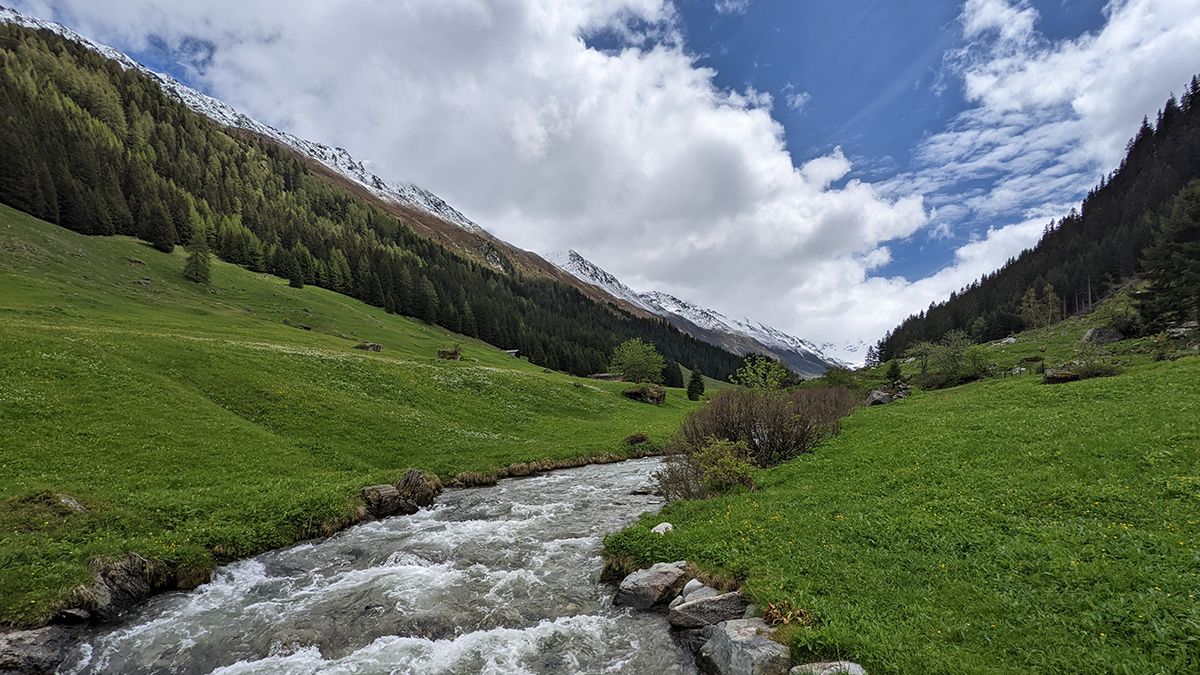
A river flowing through a mountainous region.
Posted inEditors' Vox

Tracing Water’s Hidden Journey Through the Earth’s Living Skin

by Andrea L. Popp and Harsh Beria 13 May 202612 May 2026

Water’s natural fingerprints reveal how it’s stored, mixed, and released through the Earth’s Critical Zone, potentially improving Earth System models in a rapidly warming world.
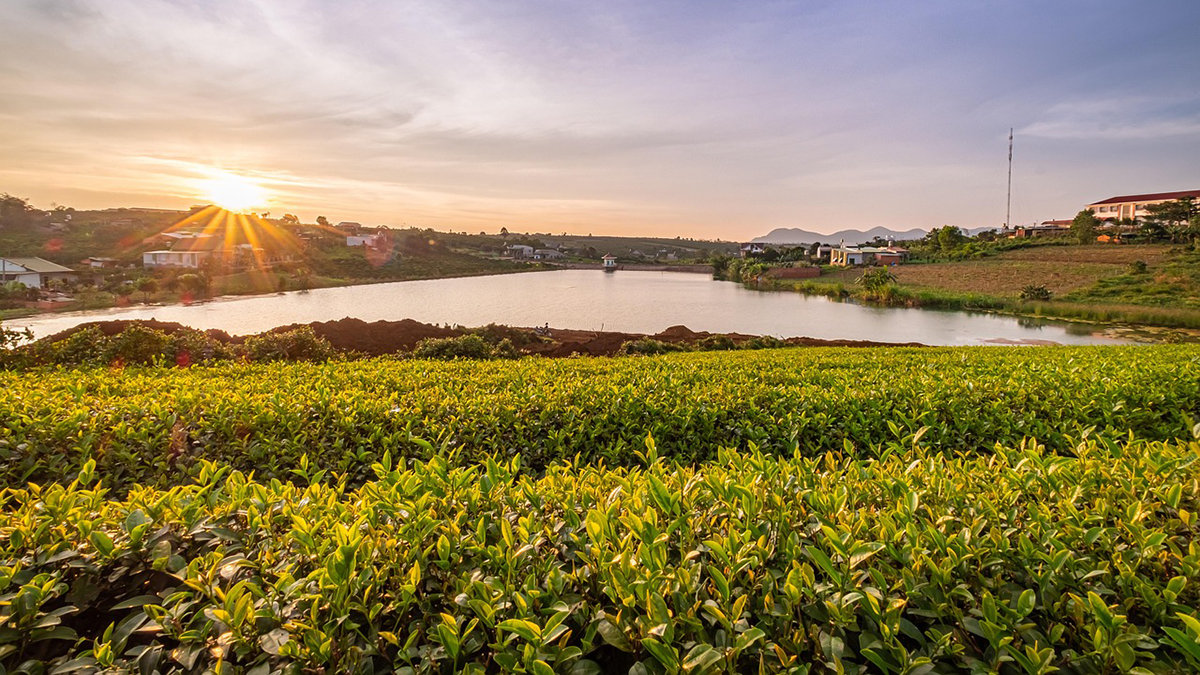
Sunrise over a crop field and a small lake.
Posted inEditors' Highlights

Managed Agriculture Hinders Predictability of Critical Zone Features

by Alberto Montanari 1 May 20261 May 2026

Intensively managed agricultural sites show behavioral shifts of the critical zone system and subsystems thus impacting predictability.
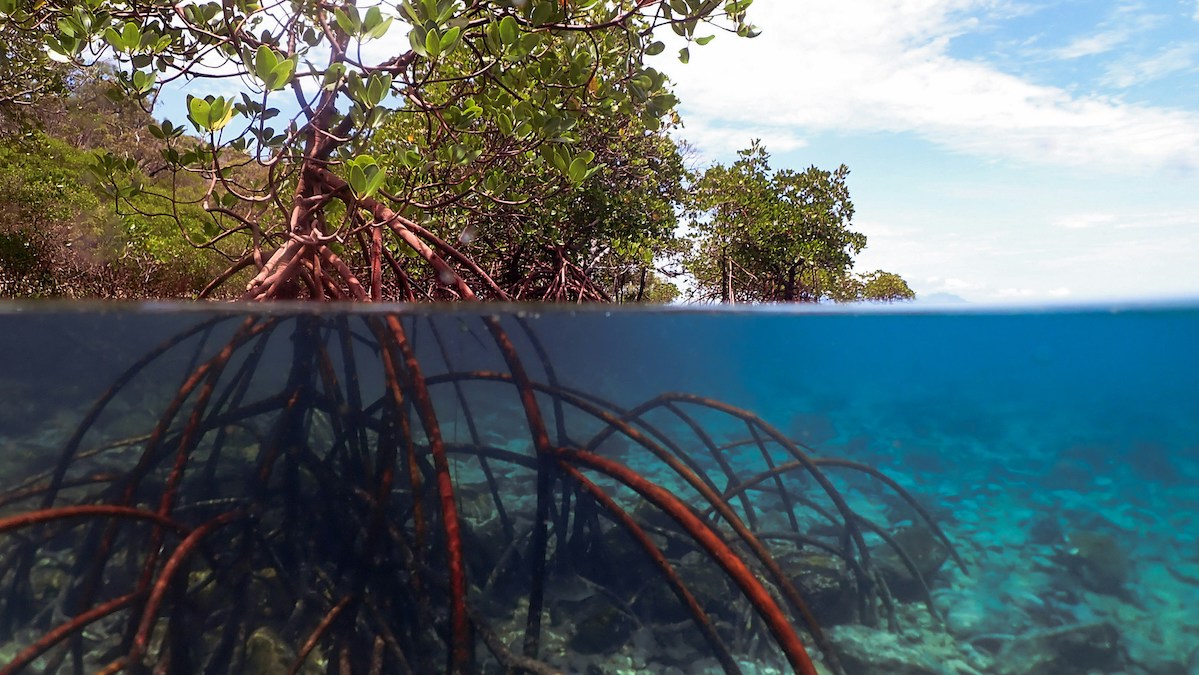
A half-underwater image shows the leaves (above the water) and roots (underwater) of mangrove plants.
Posted inNews

With the Ocean Included, the Social Cost of Carbon Doubles

by Grace van Deelen 25 February 202625 February 2026

A new calculation includes ocean ecosystems when assessing the monetary impact of climate change.
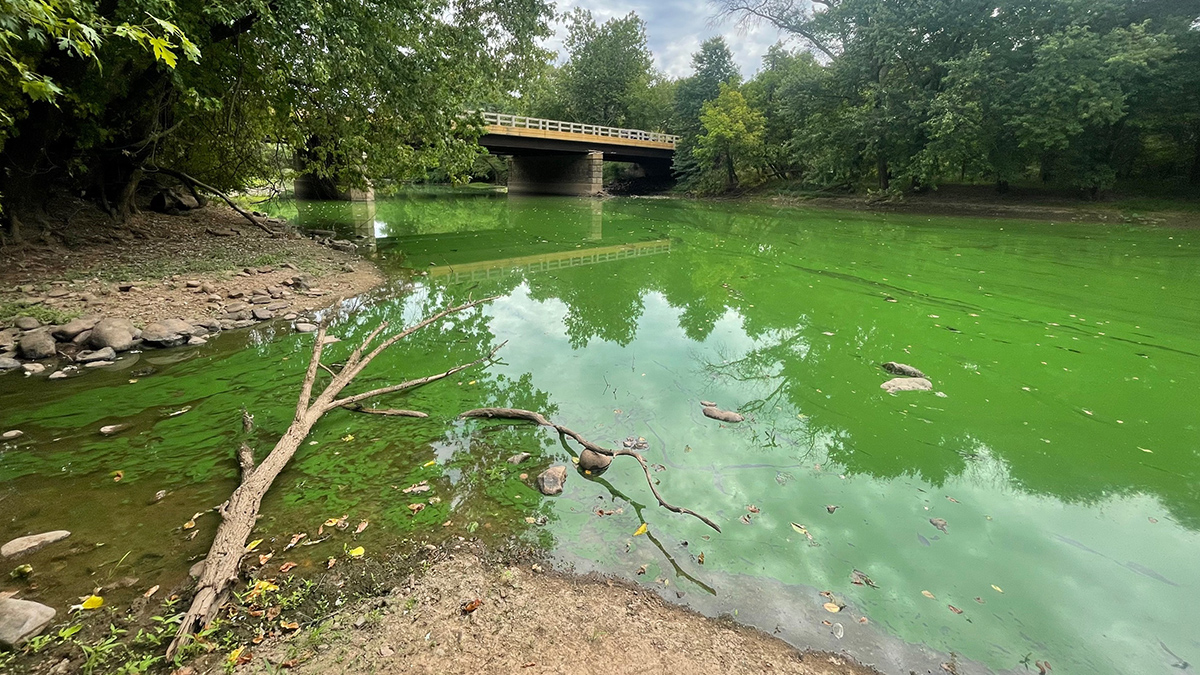
View from the shoreline of a small, tree-lined river that is almost entirely tinted bright green by algae. A low bridge crosses the river in the background.
Posted inScience Updates

How to Accelerate Advances in Ecological Forecasting

by Jacob A. Zwart, Cameron Thompson, Hassan Moustahfid, Jessica Burnett and Michael Dietze 24 February 202624 February 2026

Developing shared cyberinfrastructure can enhance predictions of ecological change and enable improved decisionmaking for resource management and public well-being.
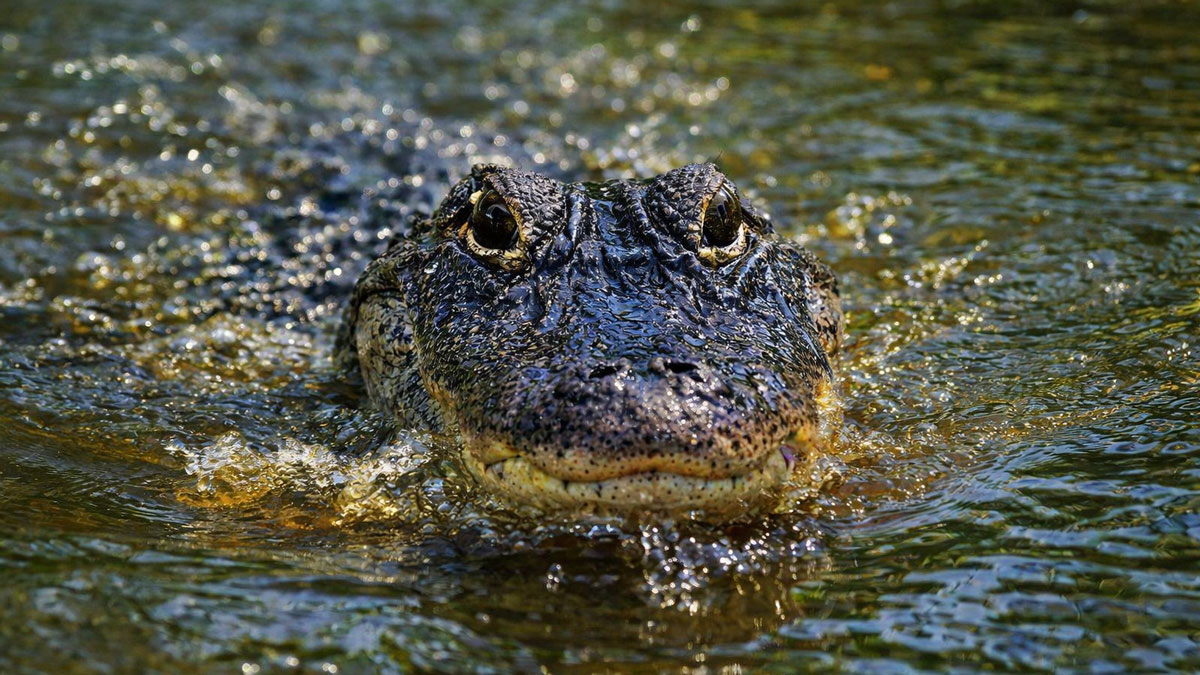
An American alligator surfaces in shallow bayou water in Louisiana.
Posted inNews

Alligators May Boost Carbon Storage in Coastal Wetlands

by Emil Siekkinen 29 January 20262 February 2026

Research suggests that American alligators help coastal wetlands retain more carbon, linking predator recovery in the southeastern United States to ecosystem function and climate processes.

Posts pagination

1 2 3 … 34 Older posts
Over a dark blue-green square appear the words Special Report: The State of the Science 1 Year On.

Features from AGU Publications

Research Spotlights

Forty Thousand Cubic Meters of Fresh Water Flow from the Congo into the Atlantic Every Second. A New Study Traces Where It Goes from There.

2 July 20262 July 2026
Editors' Highlights

Fluid-Driven Reactions Restore Fault Strength Between Earthquakes

30 June 202630 June 2026
Editors' Vox

Small-Scale Indian Ocean Dynamics Underpin Marine Ecology and Climate

4 June 20263 June 2026
Eos logo at left; AGU logo at right

About Eos
ENGAGE
Awards
Contact

Advertise
Submit
Career Center
Sitemap

© 2026 American Geophysical Union. All rights reserved Powered by Newspack