
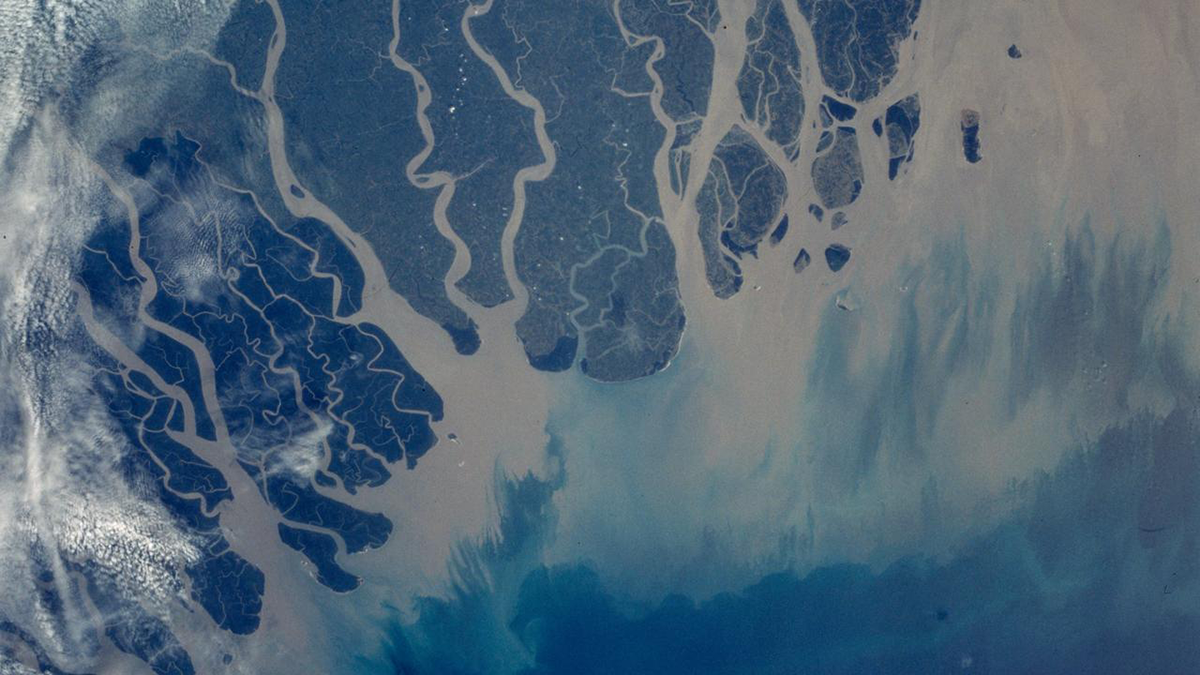
Autogenic processes of sediment storage and erosion regulate shoreline movement and therefore, where coastal wetlands develop, setting up subsurface areas of preserved organic matter, blue carbon.
Editors’ Highlights
Posted inEditors' Highlights
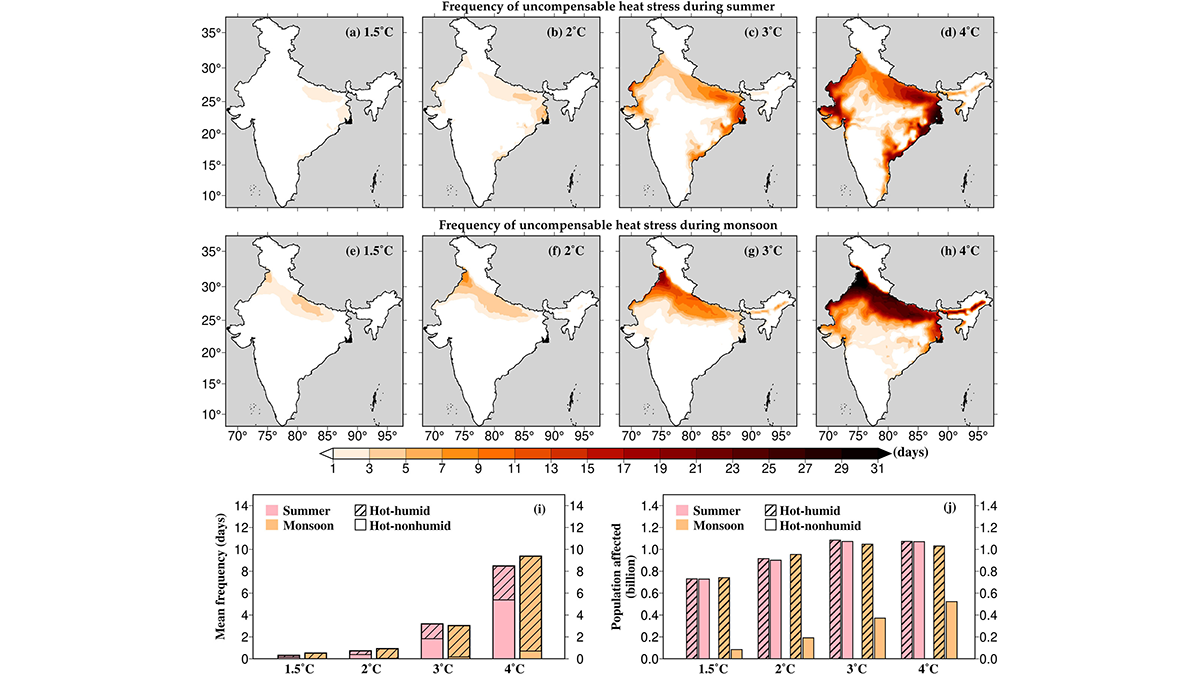
Unbearable Heat for Hundreds of Millions
The Global South, in particular, is suffering from the consequences of global heating. A new study quantifies heat stress in India by projecting it during the critical seasons.
Posted inEditors' Highlights
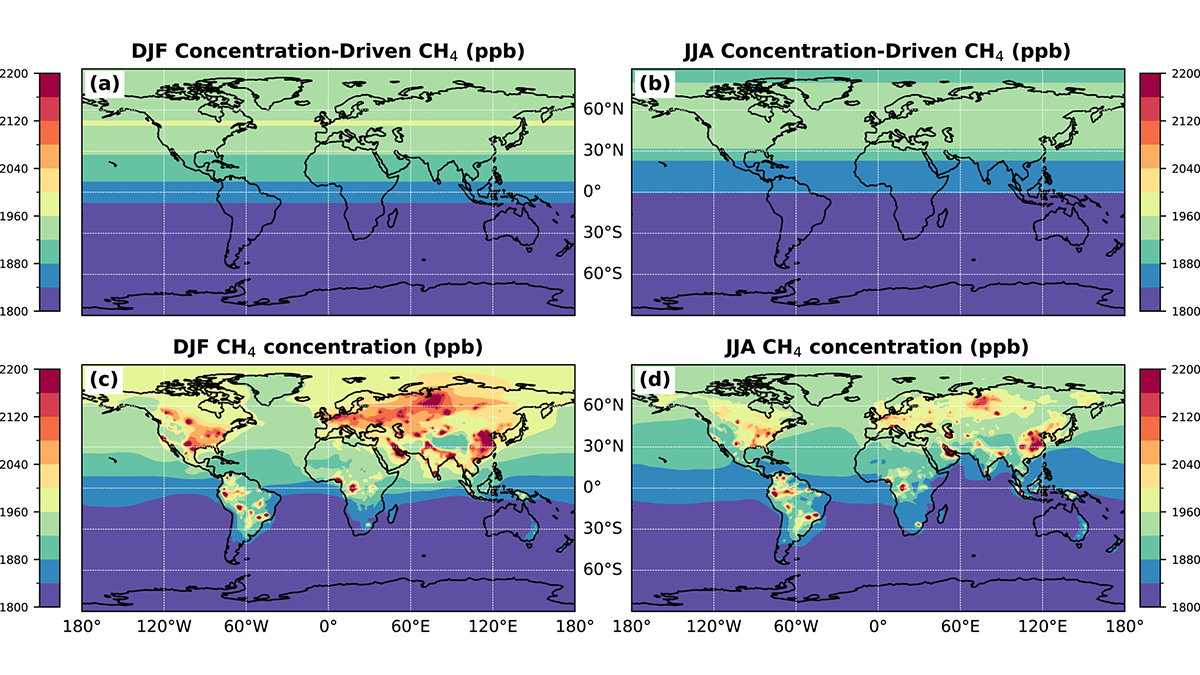
Where Methane is Emitted Matters for Global Burden
Methane emitted at higher latitude regions (Europe) tends to stay in the atmosphere longer, contributing to higher global concentrations than other regions (Asia, North America).
Posted inEditors' Highlights
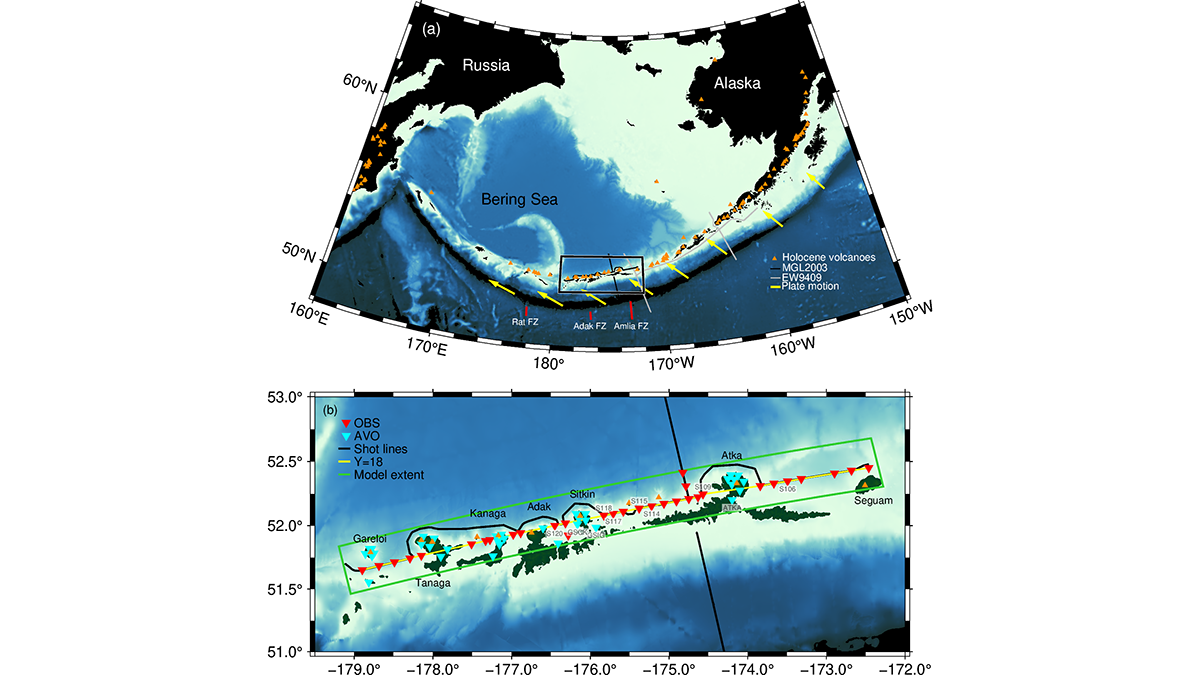
A Snapshot of Continental Crust in the Making
New seismic images from the Aleutian Arc show how active volcanic arcs may build new continental crust, highlighting the complex transition at multiple stages.
Posted inEditors' Highlights
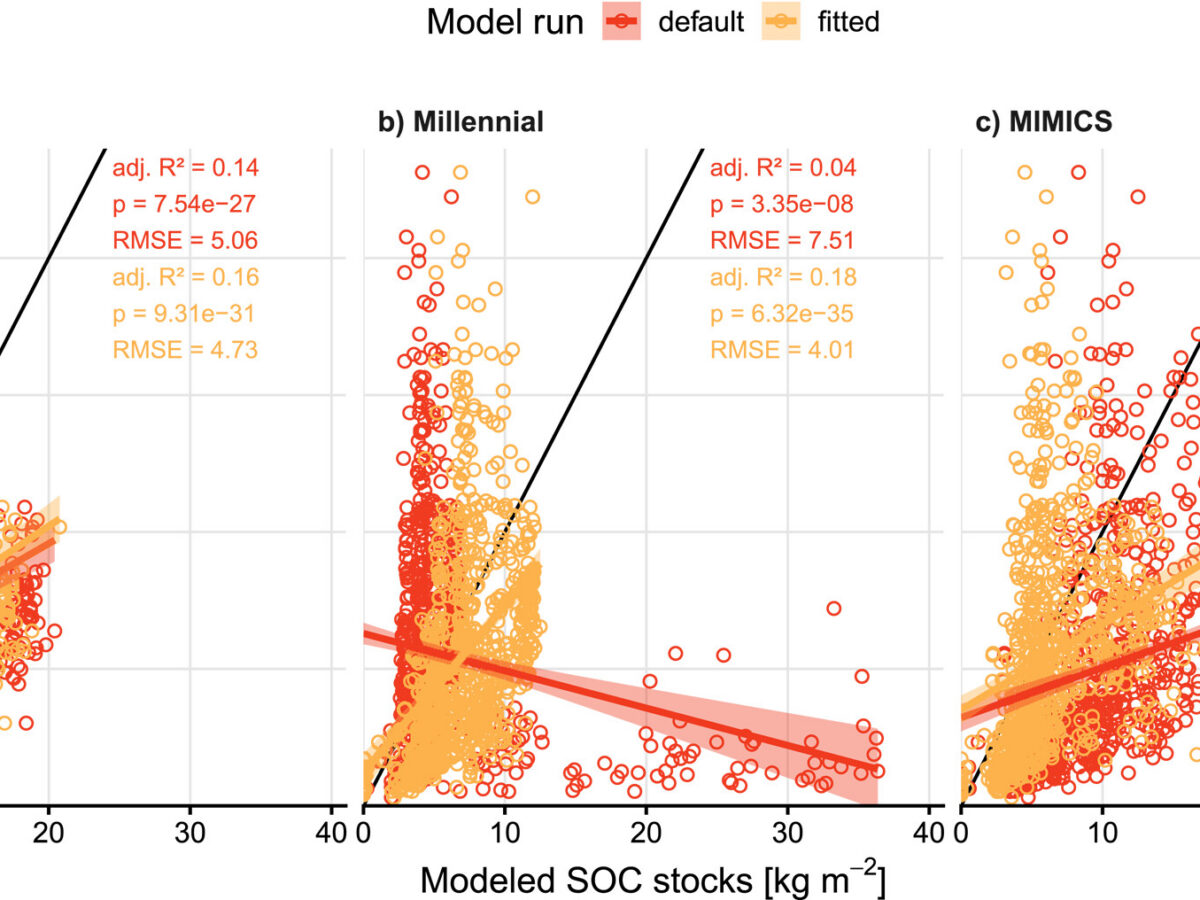
Soil Biogeochemistry Models Omit Key Processes Due to Geographic Bias
Popular soil biogeochemistry models inadequately represent regionally-important processes and lack transferability, resulting in poor predictions of soil organic carbon stocks in sub-Saharan Africa.
Posted inEditors' Highlights
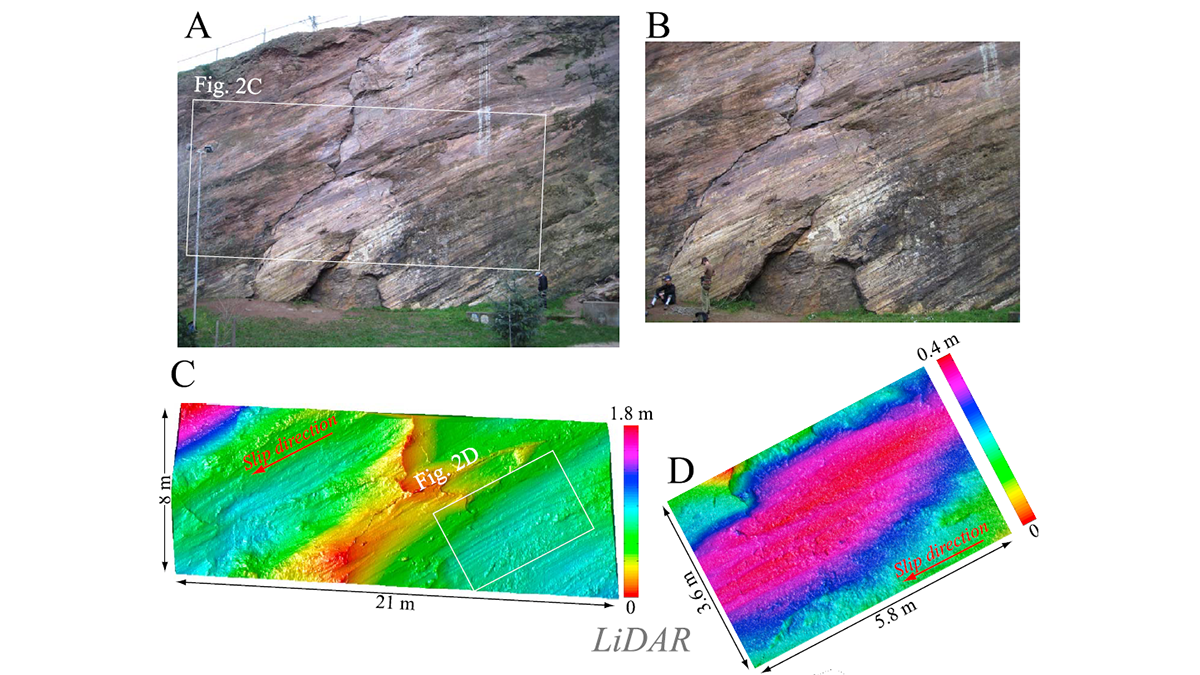
Multi-Scale Fault Roughness Encapsulated in a Friction Law
A new rate- and roughness-dependent friction law incorporates multi-scale fault processes to reproduce earthquake fracture energy scaling.
Posted inEditors' Highlights
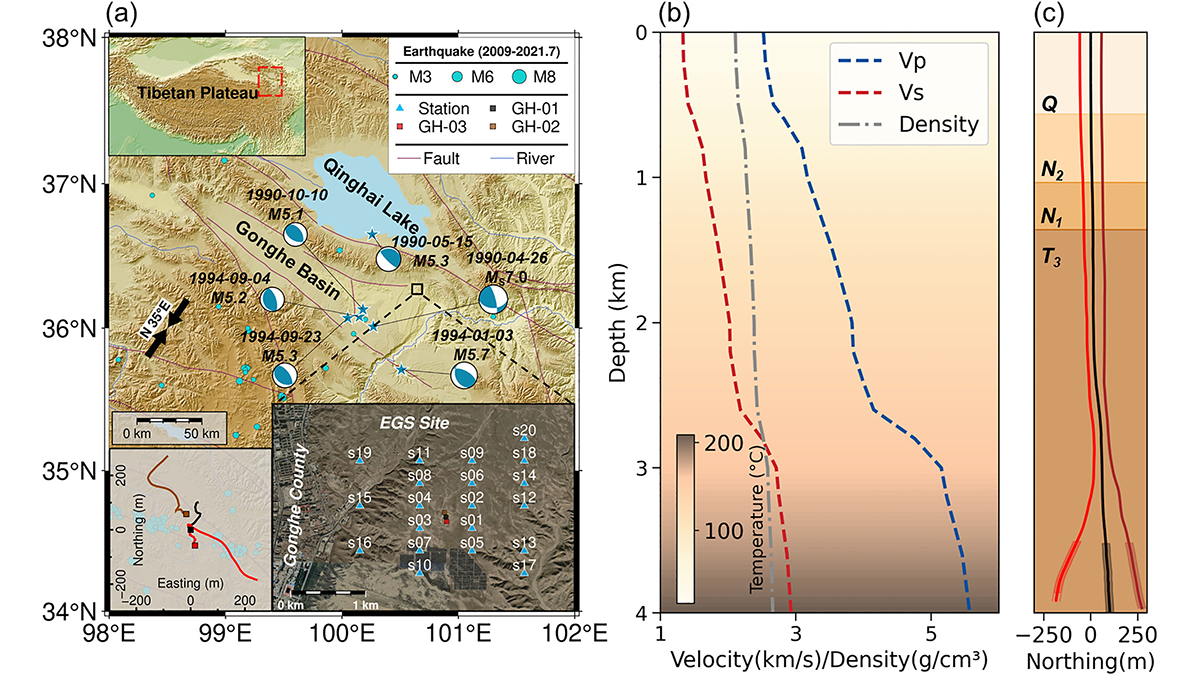
Pre-Existing Structure and Stress Shape Geothermal-Induced Seismicity
At China’s first Enhanced Geothermal System site, dense seismic observations, integrated with borehole data and stress modeling, reveal weak faults and scale-dependent control of stress and structure on induced seismicity.
Posted inEditors' Highlights
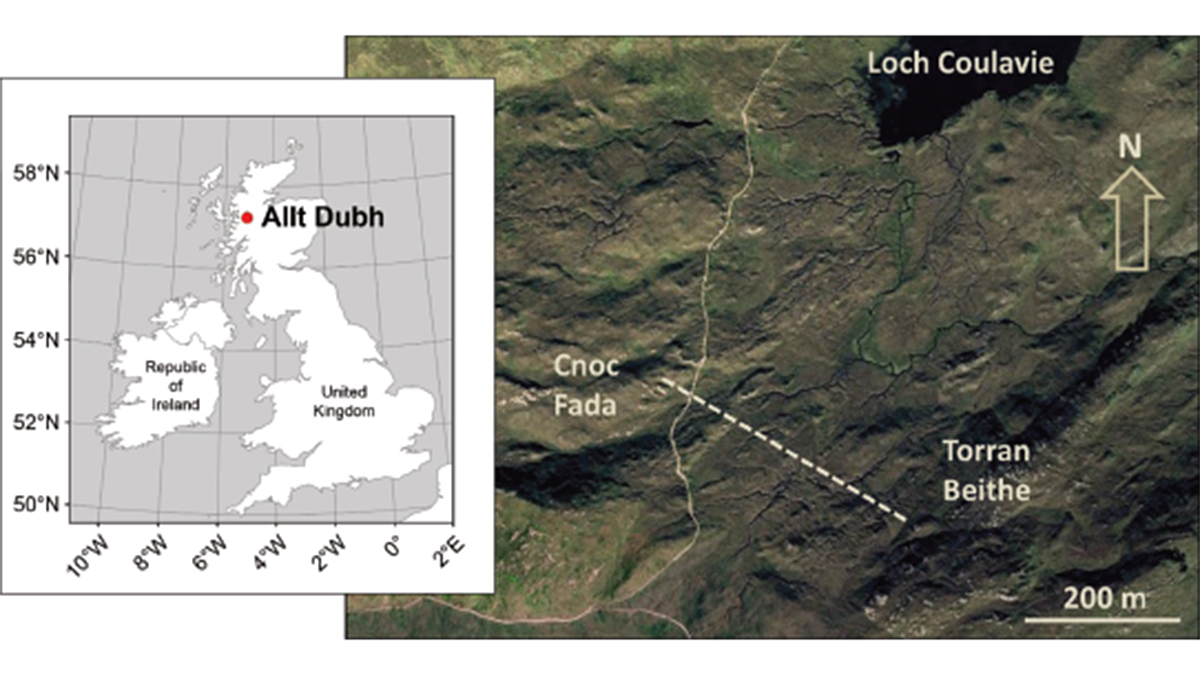
Model of Complex Blanket Bog Improves Prediction of Peat Expansion
Peat expansion is tightly coupled to the global climate cycle. As a nature-based solution to climate change, we need to know how they will respond to different climate scenarios.
Posted inEditors' Highlights
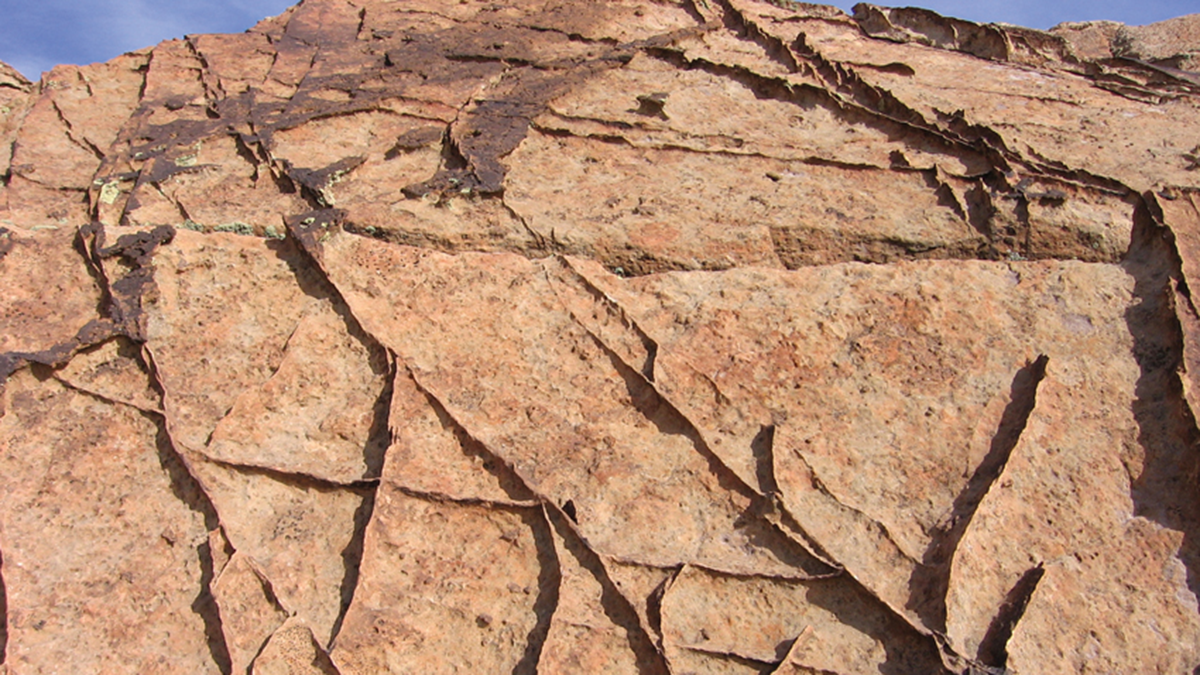
From Grains to Bands: Modeling Deformation in Porous Rocks
How do bands emerge in highly porous rocks? A study based on energy minimization reveals how microscale heterogeneity and stress conditions drive the formation of complex deformation bands.
Posted inEditors' Highlights
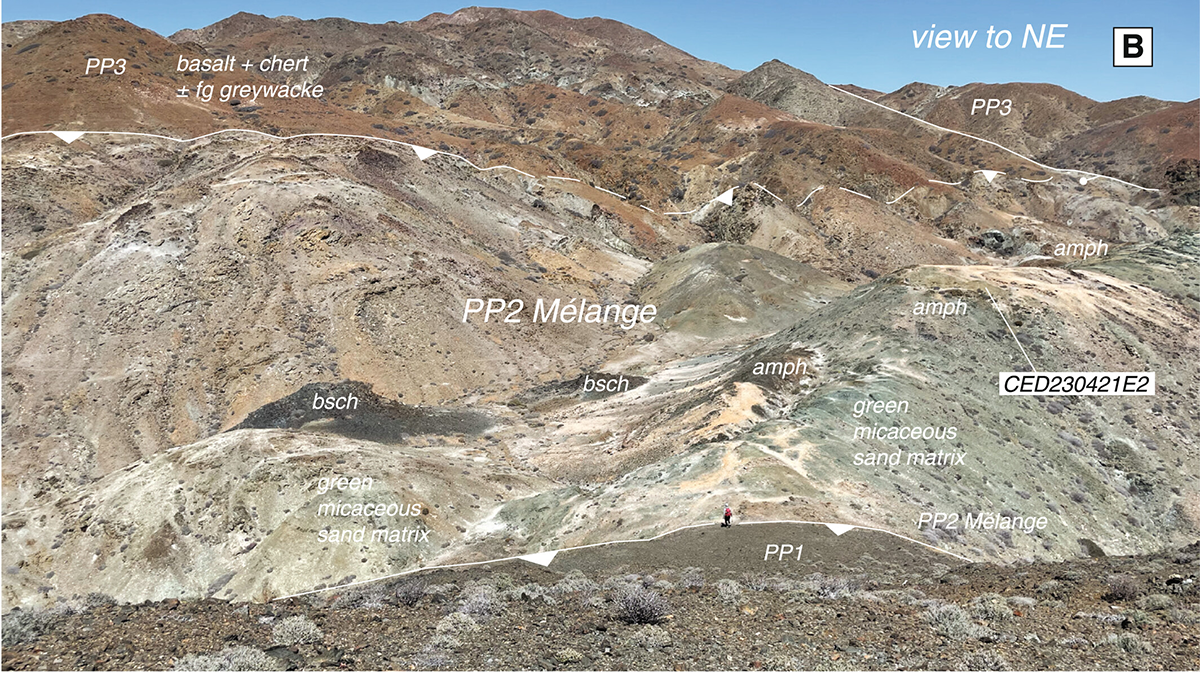
Recycled Rocks Reveal Subduction Zone Dynamics Off Baja California
High-pressure rocks on Cedros Island were exhumed, eroded, and redeposited into the subduction trench multiple times, reshaping interpretations of ancient plate boundary processes.