

An international research group recorded the acoustic signatures of gas bubbles rising from a hydrothermal vent field to gather clues about greenhouse gases escaping into the atmosphere.
CC BY-NC-ND 2019

Posted inNews
Did Bacterial Enzymes Cap the Oxygen in Early Earth’s Atmosphere?

A new theory suggests that nitrogenase from cyanobacteria could be the reason oxygen levels remained low after the Great Oxidation Event.
Posted inEditors' Highlights
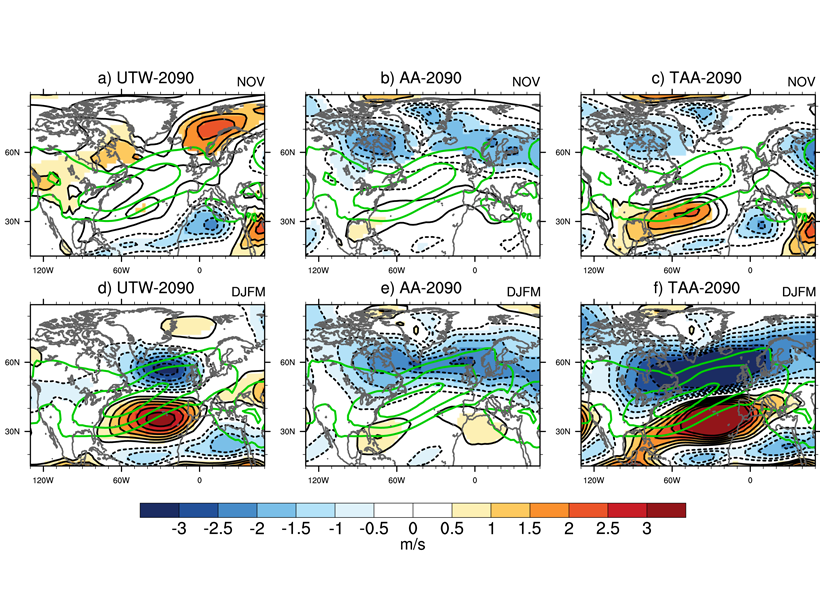
Polar Stratosphere Resolves North Atlantic Jet “Tug of War”
Getting the polar stratosphere right is critical in the simulation of North Atlantic climate change, which is shaped by the interaction of Arctic Amplification and tropical upper tropospheric warming.

Posted inEditors' Vox
Atmospheric Model Hierarchies: Connecting Theory and Models
Model hierarchies are fundamental to how we model Earth’s climate, allowing us to apply our theoretical understanding, connect simple ideas to the real atmosphere, and test new hypotheses.

Posted inNews
“Glass Pearls” in Clamshells Point to Ancient Meteor Impact

Research suggests that the spherical structures, smaller than grains of sand, may be microtektites, but additional investigations are needed to verify their identity.
Posted inNews
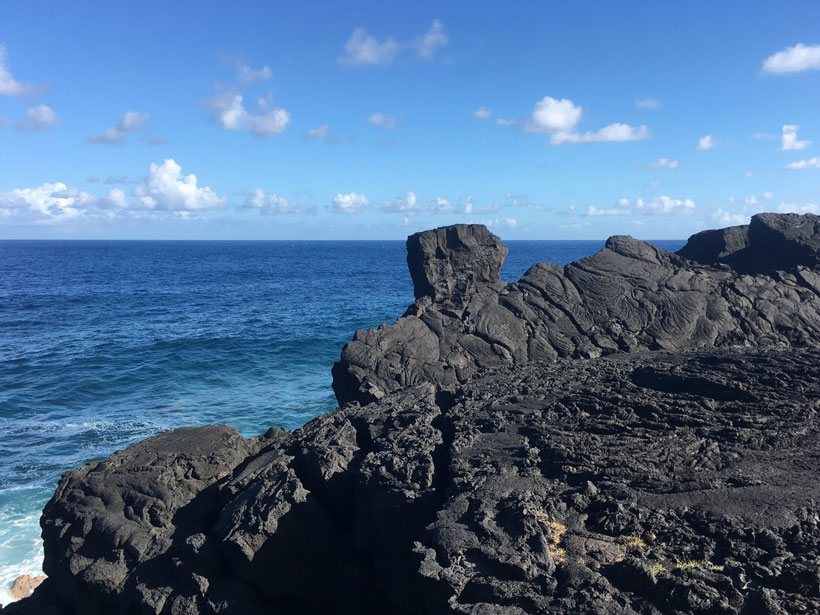
Leaky at the Core

New evidence from deep mantle plumes suggests that Earth’s liquid outer core might be leaking tungsten isotopes into the lower mantle.
Posted inEditors' Highlights
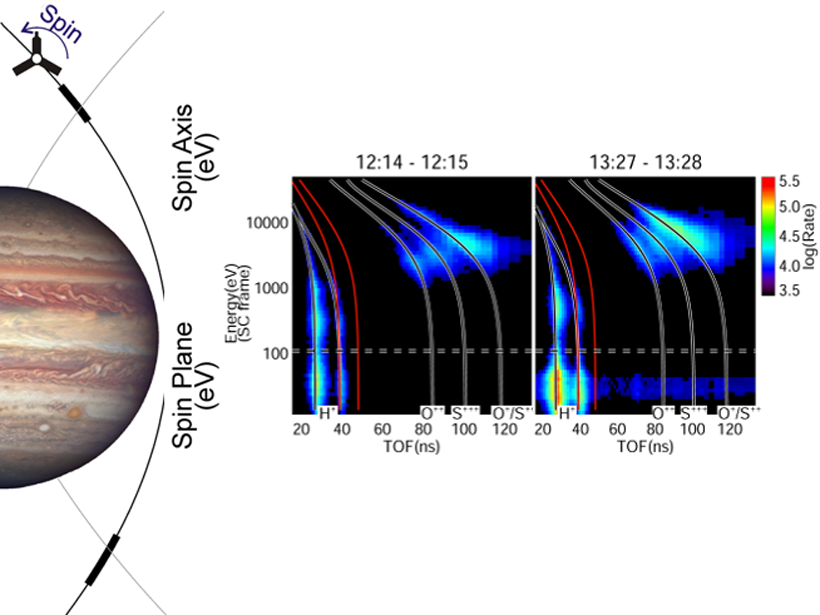
First Inside Look at Hot and Cold Ions in Jupiter’s Ionosphere
The first in-situ ion observations from NASA’s Juno spacecraft reveal the surprising, simultaneous presence of cold protons and hot oxygen and sulfur ions in the high-latitude ionosphere of Jupiter.
Posted inEditors' Highlights
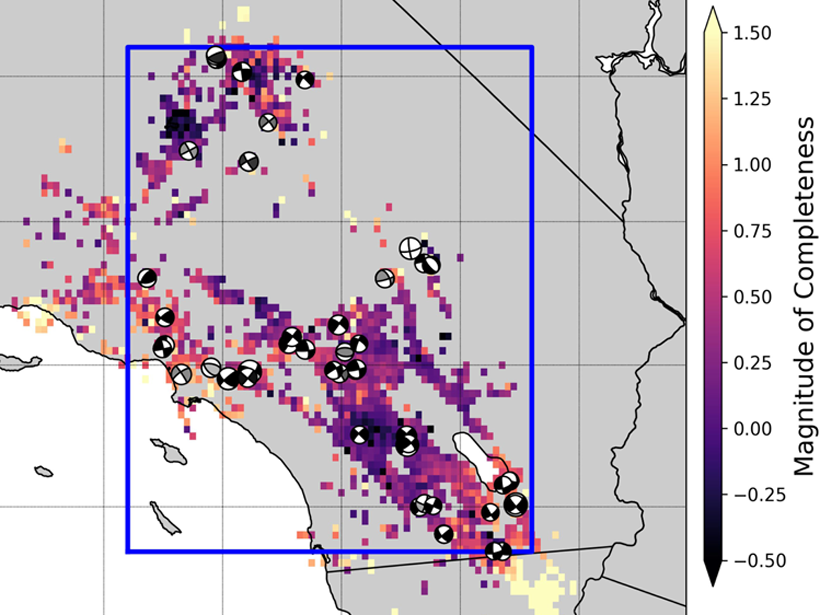
Most Southern California Mainshocks Follow Foreshocks
New research using a highly complete earthquake catalog shows that 72% of M4+ mainshocks are preceded by foreshocks, implying that foreshock activity is much more prevalent than previously thought.

Posted inNews
Diverting the Mississippi River May Not Save Louisiana’s Coast

New research finds that man-made river diversions have previously led to land losses.

Posted inEditors' Vox
Invasive Species Drive Erosion in Aquatic Environments
The daily activities of mammals, reptiles, crustaceans, and fish influence the physical environment, with invasive burrowing species causing particular disruption in aquatic environments.