• About
  • Special Reports
  • Topics
    • Climate
    • Earth Science
    • Oceans
    • Space & Planets
    • Health & Ecosystems
    • Culture & Policy
    • Education & Careers
    • Opinions
  • Projects
    • Postcards From the Field
    • ENGAGE
    • Editors’ Highlights
    • Editors’ Vox
    • Eos en Español
    • Eos 简体中文版
    • Print Archive: 2015–2025
  • Policy Tracker
  • Blogs
    • Research & Developments
    • The Landslide Blog
  • Newsletter
  • Submit to Eos
  • AGU.org
  • Career Center
  • Join AGU
  • Give to AGU
  • About
  • Special Reports
  • Topics
    • Climate
    • Earth Science
    • Oceans
    • Space & Planets
    • Health & Ecosystems
    • Culture & Policy
    • Education & Careers
    • Opinions
  • Projects
    • Postcards From the Field
    • ENGAGE
    • Editors’ Highlights
    • Editors’ Vox
    • Eos en Español
    • Eos 简体中文版
    • Print Archive: 2015–2025
  • Policy Tracker
  • Blogs
    • Research & Developments
    • The Landslide Blog
  • Newsletter
  • Submit to Eos
Skip to content
  • AGU.org
  • Career Center
  • Join AGU
  • Give to AGU
Eos

Eos

Science News by AGU

Support Eos
Sign Up for Newsletter
  • About
  • Special Reports
  • Topics
    • Climate
    • Earth Science
    • Oceans
    • Space & Planets
    • Health & Ecosystems
    • Culture & Policy
    • Education & Careers
    • Opinions
  • Projects
    • Postcards From the Field
    • ENGAGE
    • Editors’ Highlights
    • Editors’ Vox
    • Eos en Español
    • Eos 简体中文版
    • Print Archive: 2015–2025
  • Policy Tracker
  • Blogs
    • Research & Developments
    • The Landslide Blog
  • Newsletter
  • Submit to Eos

ENGAGE

A distinctive mushroom cloud blossoms over the cloud line during detonation of the Ivy Mike hydrogen bomb in 1952.
Posted inENGAGE, News

Radiocarbon’s Blast from the Past

by Caroline Hasler 15 September 202231 October 2022

Radiocarbon dating is a cornerstone of climate and archaeological sciences. But the method is under threat as fossil fuel emissions negate a useful signal from atomic tests.
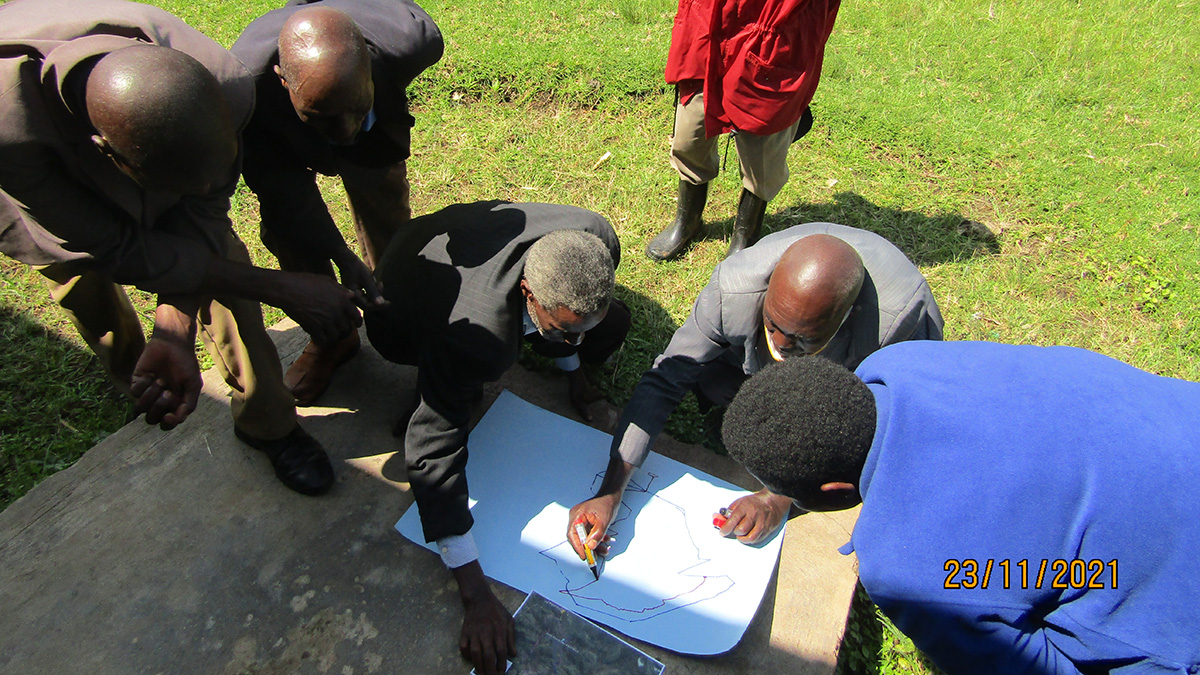
Ciudadanos mayores en una zona rural toman parte de un mapeo. El mapa está al centro de la foto, y cinco ciudadanos miran cómo uno de ellos dibuja el mapa.
Posted inENGAGE, News

Proyecto de ciencia comunitaria ayuda a rastrear los riesgos geológicos en Uganda

by James Dacey 14 September 202222 March 2023

Un proyecto comunitario en las tierras altas de Kigezi está ayudando a identificar puntos calientes de deslizamientos de tierra e inundaciones y cómo los peligros están evolucionando.

Autumn cityscape of Boston
Posted inENGAGE, News

Neighborhood Strategies Inform Boston’s First Urban Forest Plan

by Iris Crawford 8 September 202222 March 2023

The city prioritizes equity and inclusion as it incorporates tree coverage into climate resiliency efforts.
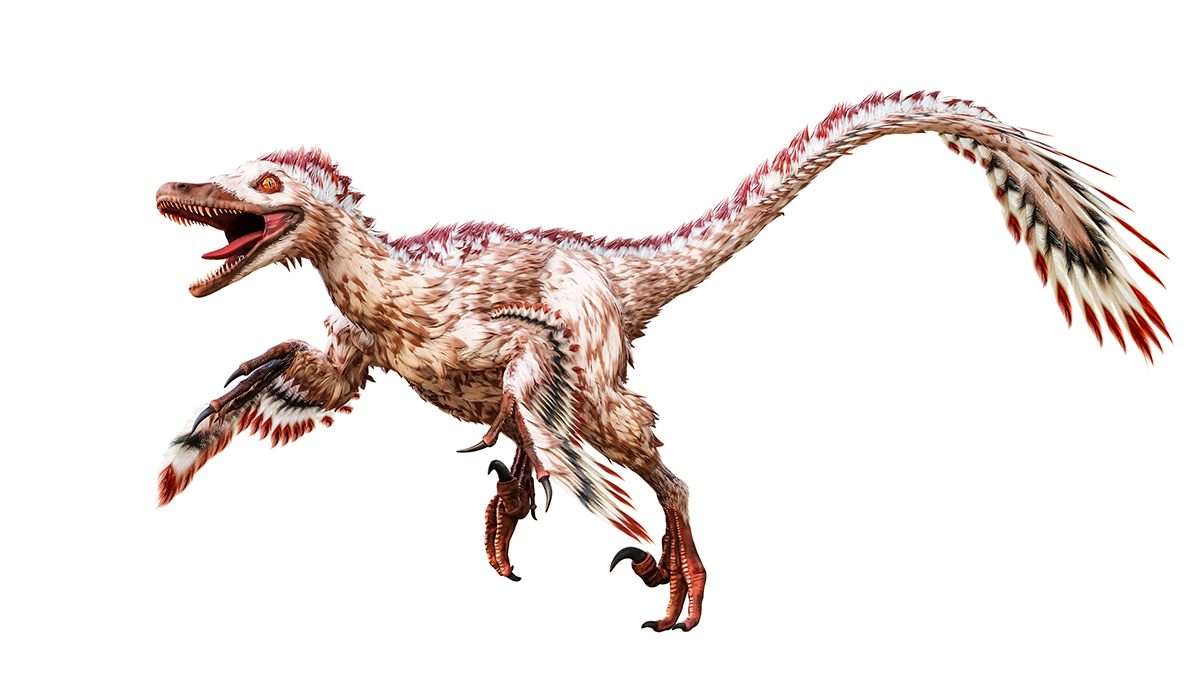
A Velociraptor with white, black, and red feathers runs with its mouth open.
Posted inENGAGE, News

Volcanic Winters Ushered in the Jurassic Reign of the Dinosaurs

Katherine Kornei, Science Writer by Katherine Kornei 31 August 202222 March 2023

Sediment cores from northwestern China reveal freezing conditions during the Late Triassic killed off many forms of life—but not dinosaurs.
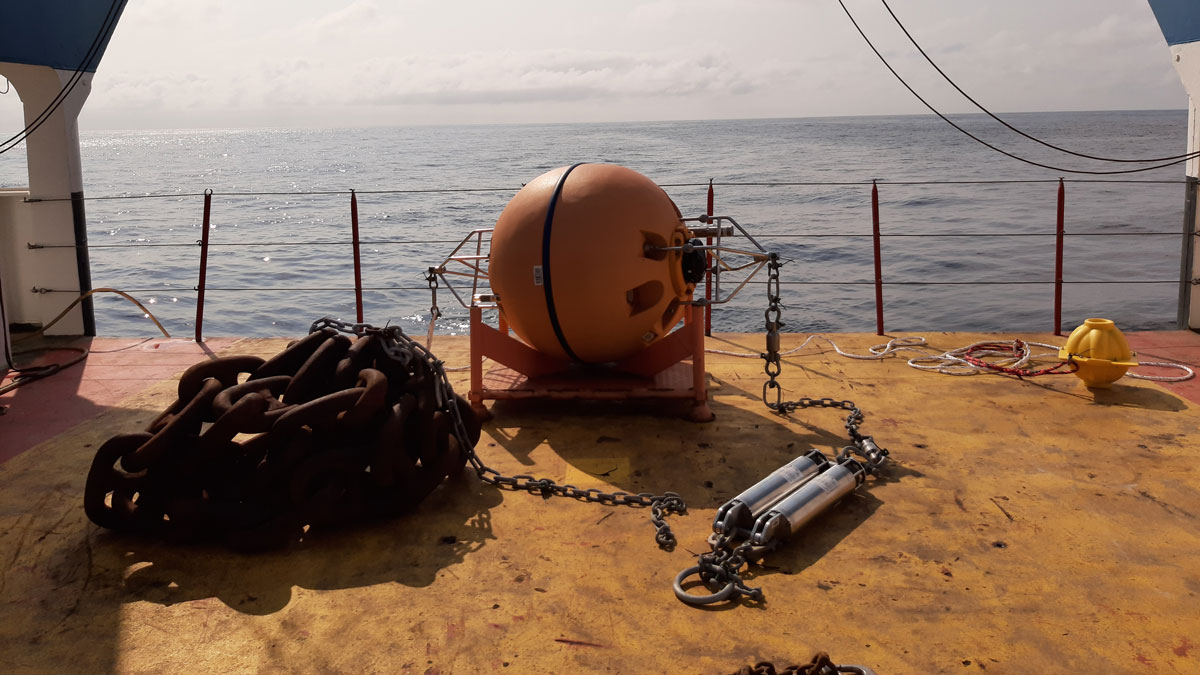
Sensors attached to an orange buoy on the deck of a research vessel
Posted inENGAGE, News

River Floods Can Trigger Powerful Underwater Landslides

by Carolyn Wilke 26 August 202214 March 2024

A record-length turbidity current triggered by river flooding has revealed a new link between the surface and the deep sea.

Logs, sticks, and branches that washed up on the shores of Iceland are piled on a beach.
Posted inENGAGE, News

Melting Sea Ice May Mean the End of Driftwood in Iceland

Richard Sima, freelance science writer by Richard J. Sima 25 August 202224 March 2023

Driftwood floats thousands of kilometers from Siberia to Iceland, but it may drift no longer by 2060 due to climate change.

Black-and-white satellite image of a pit crater on the Moon.
Posted inENGAGE, News

Caves Offer Temperate Hope for Future Moon Exploration

by Stacy Kish 22 August 202224 March 2023

Large caves near the Moon’s equator maintain a temperate, stable daily temperature around 17°C.

Deepwater Horizon oil spill in the Gulf of Mexico, 2010
Posted inENGAGE, News

Ninety Percent of the World’s Oil Slicks Are Caused by Humans, Not Nature

by Katharine Gammon 19 August 202224 March 2023

Researchers were surprised to find exactly how many oil slicks were due to human activity, highlighting the need for people to pay attention to runoff and leaks.

Two young people riding aboard a boat pick through mud with their hands in search of meteorites.
Posted inENGAGE, News

Community Scientists Recover Micrometeorites from Lake Michigan

Katherine Kornei, Science Writer by Katherine Kornei 15 August 202224 March 2023

A team of scientists, educators, and teenagers discovered the objects, some of which may have been delivered by a fireball that streaked across the sky in 2017.

Cráteres en tierras deforestadas por minería ilegal en la tierra Indígena de Tenharim do Igarapé Preto, en el estado de Amazonas, Brasil.
Posted inENGAGE, News

La minería amenaza a las poblaciones Indígenas aisladas del Amazonas

by Meghie Rodrigues 5 August 202224 March 2023

Un proyecto de ley en el Congreso Brasileño permitiría la expansión minera en territorios Indígenas. Una nueva investigación demuestra cómo esto podría afectar radicalmente a los pueblos aislados.

Posts pagination

Newer posts 1 … 10 11 12 13 14 … 25 Older posts
Over a dark blue-green square appear the words Special Report: The State of the Science 1 Year On.

Features from AGU Publications

Research Spotlights

As Wildfires Increase in the West, So Does Suppression Spending

10 June 202610 June 2026
Editors' Highlights

Multi-Scale Fault Roughness Encapsulated in a Friction Law

11 June 202611 June 2026
Editors' Vox

Small-Scale Indian Ocean Dynamics Underpin Marine Ecology and Climate

4 June 20263 June 2026
Eos logo at left; AGU logo at right

About Eos
ENGAGE
Awards
Contact

Advertise
Submit
Career Center
Sitemap

© 2026 American Geophysical Union. All rights reserved Powered by Newspack