
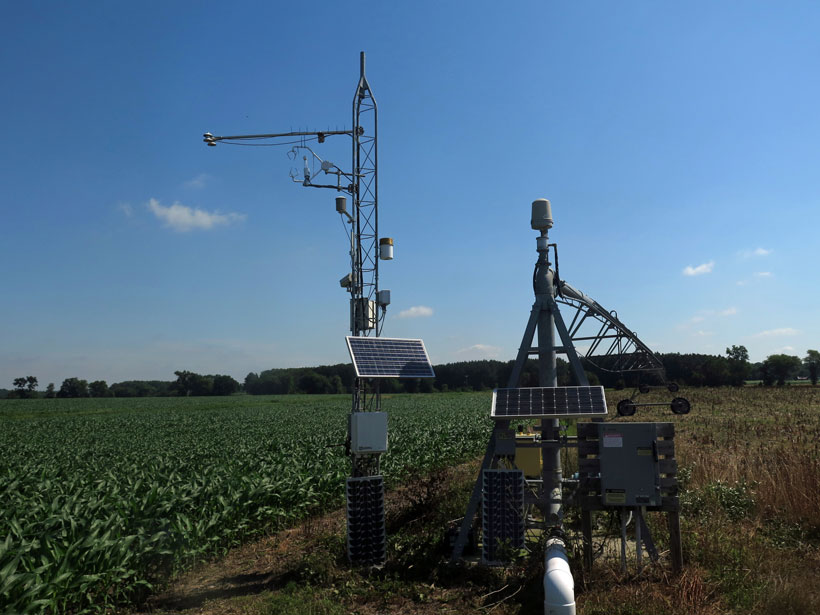

A new technique that merges data gathered by multiple satellites can be used to monitor agricultural water use and improve water quality assessments around the globe.
agriculture

Posted inScience Updates
Growing More with Less Using Cell Phones and Satellite Data
Researchers from the University of Washington and Pakistan are using 21st century technology to revive farming as a profitable profession in the Indus Valley.
Posted inResearch Spotlights
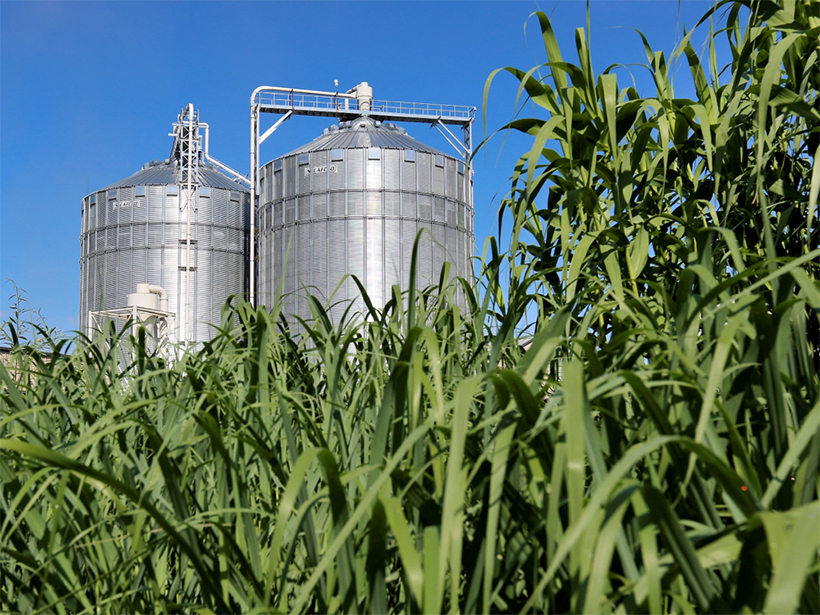
Removing Carbon from the Ground Up
Massive plantations for storing carbon and growing biofuel won’t achieve the Paris Agreement’s “2-degree guardrail,” but they could help.
Posted inNews
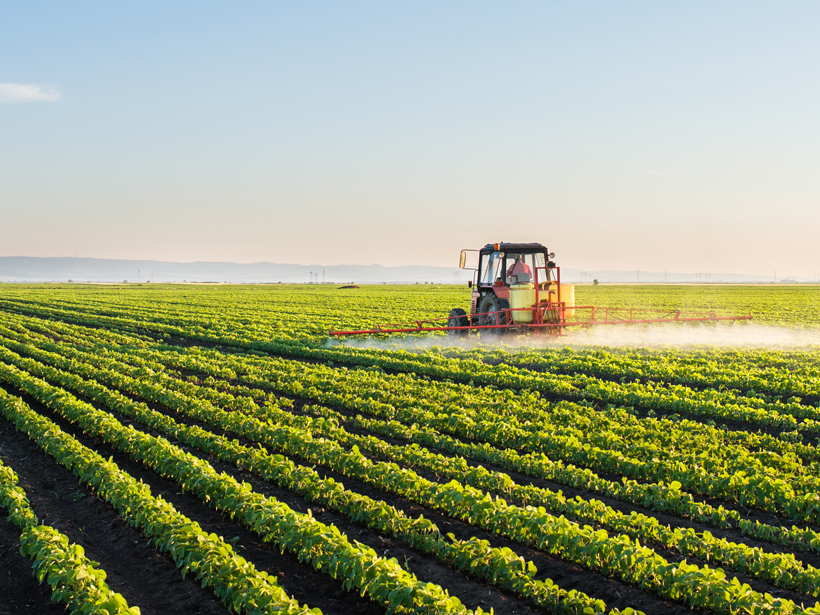
More Intense Rains in U.S. Midwest Tied to Farm Mechanization

Replacement of horses by machines since the 1940s allowed central U.S. farmers to change the crops they planted, which may have altered regional climate.

Posted inResearch Spotlights
Climate Change May Reduce Future Corn Supply

A suite of simulations run with a spectrum of starting conditions shows that climate change will reduce corn crop yield, although the degree of reductions varies widely.
Posted inResearch Spotlights
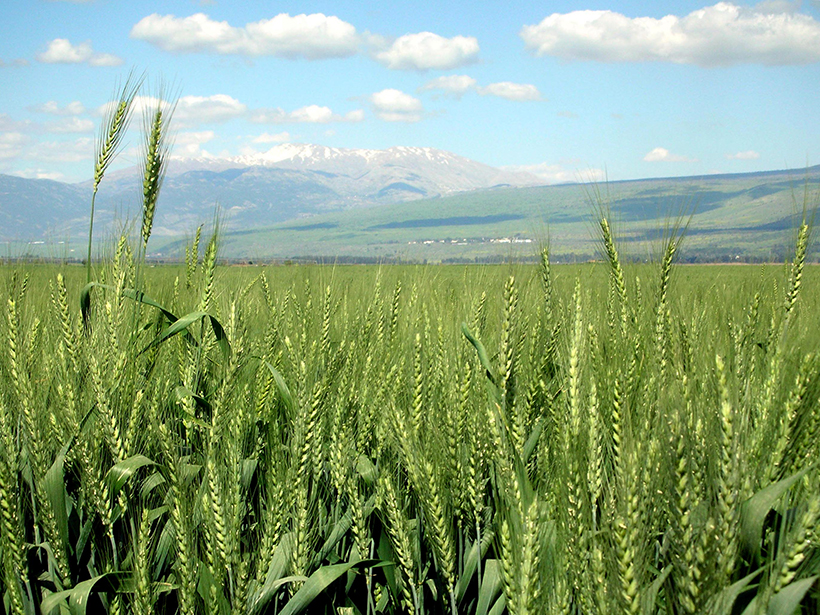
Which Greenhouse Gas Does the Most Damage to Crops?

Models showed that approximately 93% of crop losses over the rest of the century could be caused by non–carbon dioxide emissions, the most damaging of these being methane.
Posted inScience Updates
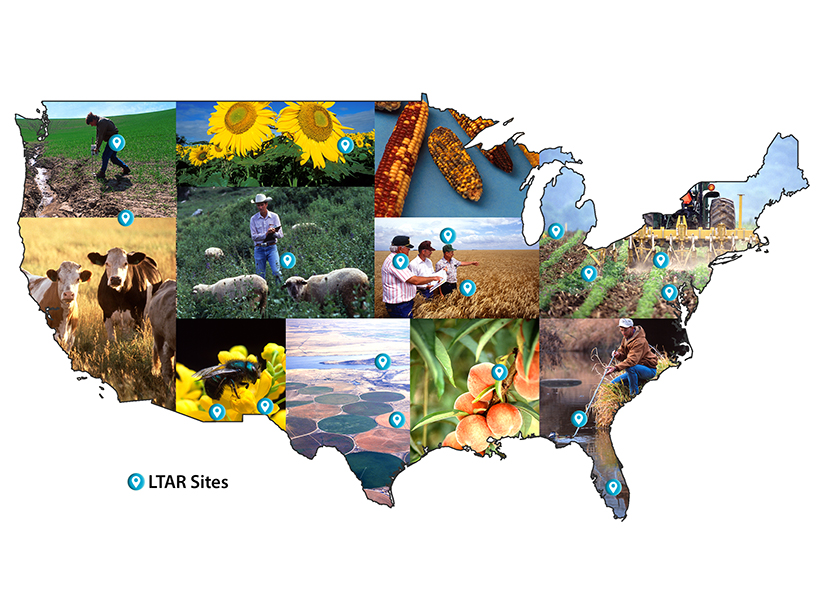
Preparing to Face the Future of Agriculture in the United States
Third Annual Long-Term Agroecosystem Research (LTAR) Meeting; Venus, Florida, 22–26 February 2016
Posted inResearch Spotlights
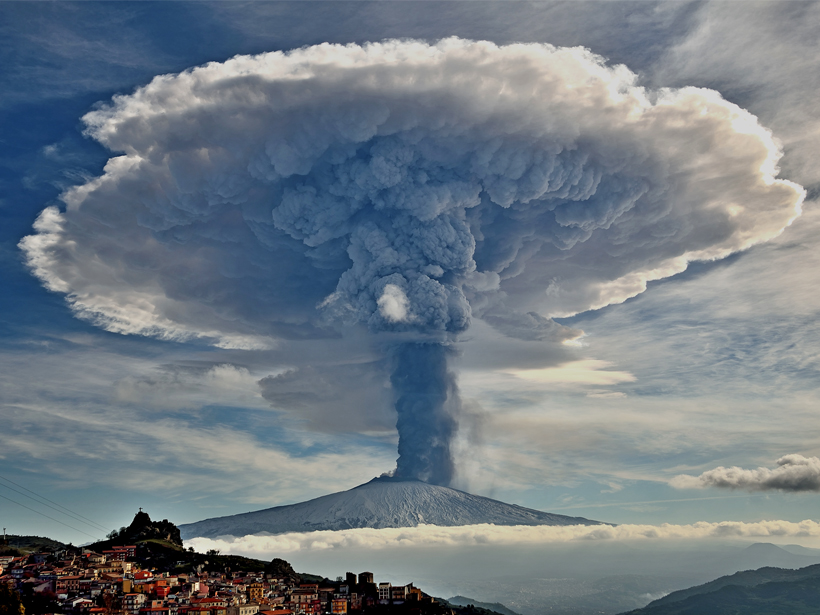
Can We Predict How Volcanic Ash Disperses After an Eruption?
Researchers investigate what factors influence how particles from a plume spread following a volcanic eruption.

Posted inResearch Spotlights
Conservation Farming Shown to Protect Carbon in Soil
A closer look at cultivated land informs actions to protect the vitality of our soil.

Posted inResearch Spotlights
Soil Texture Determines How Groundwater and Rain Impact Crops

Scientists model water table depth, soil texture, and weather conditions to identify how these variables interact to make or break corn yields.