• About
  • Special Reports
  • Topics
    • Climate
    • Earth Science
    • Oceans
    • Space & Planets
    • Health & Ecosystems
    • Culture & Policy
    • Education & Careers
    • Opinions
  • Projects
    • Postcards From the Field
    • ENGAGE
    • Editors’ Highlights
    • Editors’ Vox
    • Eos en Español
    • Eos 简体中文版
    • Print Archive: 2015–2025
  • Policy Tracker
  • Blogs
    • Research & Developments
    • The Landslide Blog
  • Newsletter
  • Submit to Eos
  • AGU.org
  • Career Center
  • Join AGU
  • Give to AGU
  • About
  • Special Reports
  • Topics
    • Climate
    • Earth Science
    • Oceans
    • Space & Planets
    • Health & Ecosystems
    • Culture & Policy
    • Education & Careers
    • Opinions
  • Projects
    • Postcards From the Field
    • ENGAGE
    • Editors’ Highlights
    • Editors’ Vox
    • Eos en Español
    • Eos 简体中文版
    • Print Archive: 2015–2025
  • Policy Tracker
  • Blogs
    • Research & Developments
    • The Landslide Blog
  • Newsletter
  • Submit to Eos
Skip to content
  • AGU.org
  • Career Center
  • Join AGU
  • Give to AGU
Eos

Eos

Science News by AGU

Support Eos
Sign Up for Newsletter
  • About
  • Special Reports
  • Topics
    • Climate
    • Earth Science
    • Oceans
    • Space & Planets
    • Health & Ecosystems
    • Culture & Policy
    • Education & Careers
    • Opinions
  • Projects
    • Postcards From the Field
    • ENGAGE
    • Editors’ Highlights
    • Editors’ Vox
    • Eos en Español
    • Eos 简体中文版
    • Print Archive: 2015–2025
  • Policy Tracker
  • Blogs
    • Research & Developments
    • The Landslide Blog
  • Newsletter
  • Submit to Eos

Hazards & Disasters

Posted inNews

Floods Fail in War, Win as Weapon Against Sea Level Rise

by C. Reed 29 June 20155 May 2023

A historical look at flooding used as a war strategy in the Netherlands found that the tactic often failed but, in the long run, has helped to protect the land against future floods and sea level rise.

Posted inOpinions

Reality Check: Seismic Hazard Models You Can Trust

by V. G. Kossobokov, A. Peresan and G. F. Panza 25 June 20157 January 2022

Probabilistic hazard assessments, even the most recent models, routinely underestimate earthquake effects. A neodeterministic approach comes closer to observed data.

Posted inNews

Tailpipe Study: Newer Trucks Emit More Black Carbon

by L. Laursen 24 June 201517 March 2023

A surprising increase is reported in Europe regarding the global warming agent as tougher emissions standards are unveiled in the United States for trucks.

Posted inNews

Connecticut-Sized Dead Zone Expected in Gulf of Mexico

JoAnna Wendel, freelance science writer and illustrator by JoAnna Wendel 18 June 201519 October 2021

An ensemble of four computer models evaluated river runoff, wind patterns, and other factors affecting the extent of oxygen-poor waters near the Mississippi River's mouth.

Posted inNews

White House Focuses on Drought and Wildfire Threats

by Randy Showstack 18 June 20157 March 2023

Funding for water and land management, crop insurance relief, and jobs aims to lessen drought impacts and improve protection from wildfires.

Posted inResearch Spotlights

Rainfall Fluctuations Hinder Projections of Future Extremes

by P. Kollipara 10 June 201514 April 2023

Long-period oscillations in rainfall make even long records less useful for predicting future extremes.

Posted inScience Updates

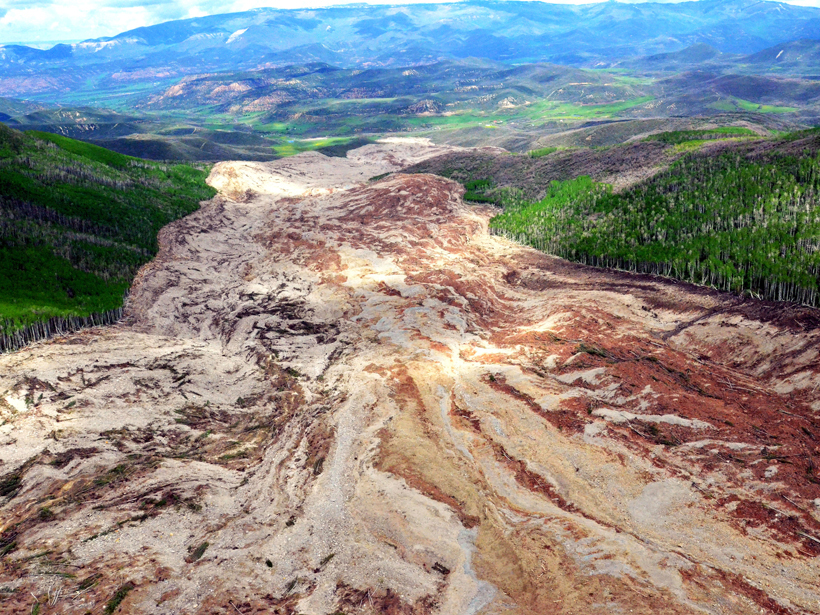
Addressing Challenges of Mitigating Flood Risk in Mountain Areas

by D. Tullos and S. K. Jain 8 June 20156 February 2023

Workshop on Modeling and Managing Flood Risk in Mountainous Areas; Folsom, California, 17–19 February 2015

Posted inNews

Obama Links Climate Change to National and Global Security

by Randy Showstack 21 May 20152 February 2022

Obama tells new Coast Guard officers that climate change poses a serious security threat to coastal areas and a challenge to the U.S. military.

Posted inResearch Spotlights

Regional Nuclear War Could Cause a Global Famine

Kate Wheeling, freelance science writer by Kate Wheeling 15 May 20157 July 2025

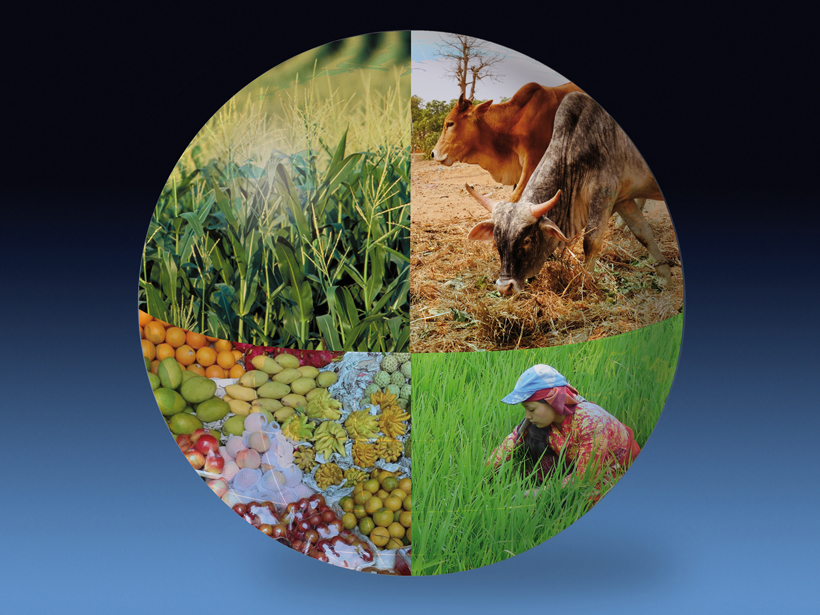
A detonation of less than 0.03% of the current global nuclear arsenal could cause fires that clog the air with soot. This soot could block solar radiation, leading to worldwide crop shortages.

Posted inNews

Protecting Earth from Solar Storms

JoAnna Wendel, freelance science writer and illustrator by JoAnna Wendel 13 May 201513 October 2021

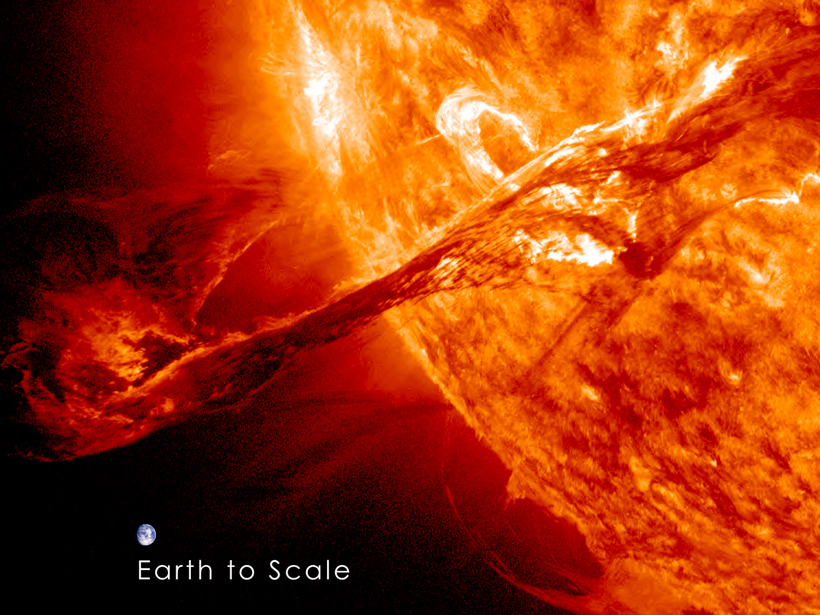
A task force on space weather recently released a national strategy to reduce damage resulting from solar storms. The plan is now open for public comment.

Posts pagination

Newer posts 1 … 166 167 168 169 170 … 175 Older posts
Over a dark blue-green square appear the words Special Report: The State of the Science 1 Year On.

Features from AGU Publications

Research Spotlights

Sea Turtles, Shrinking Beaches, and Rising Seas

16 March 202616 March 2026
Editors' Highlights

Trees Shed Their Leaves to Adapt to Droughts

20 March 202620 March 2026
Editors' Vox

Rates of Mineral Dissolution from the Flask to Enhanced Weathering

20 March 202619 March 2026
Eos logo at left; AGU logo at right

About Eos
ENGAGE
Awards
Contact

Advertise
Submit
Career Center
Sitemap

© 2026 American Geophysical Union. All rights reserved Powered by Newspack