


Researchers tracked long-term sediment dynamics in Canada’s Quesnel Lake following the 2014 failure of a dam that spilled record-breaking amounts of contaminated mining waste.
Hazards & Disasters

Posted inFeatures
Harmful Algal Blooms: No Good, Just the Bad and the Ugly
Natural and human factors are leading to larger, more frequent, and longer-lasting algae blooms. Recent research is increasingly revealing the scope of the problem and informing potential responses.

Posted inEditors' Vox
Monitoring the Health of Our Planet using Earth Observations
A new book explores how Earth science knowledge addresses critical global challenges including sustainable development, disaster risk reduction, and climate change.
Posted inEditors' Highlights
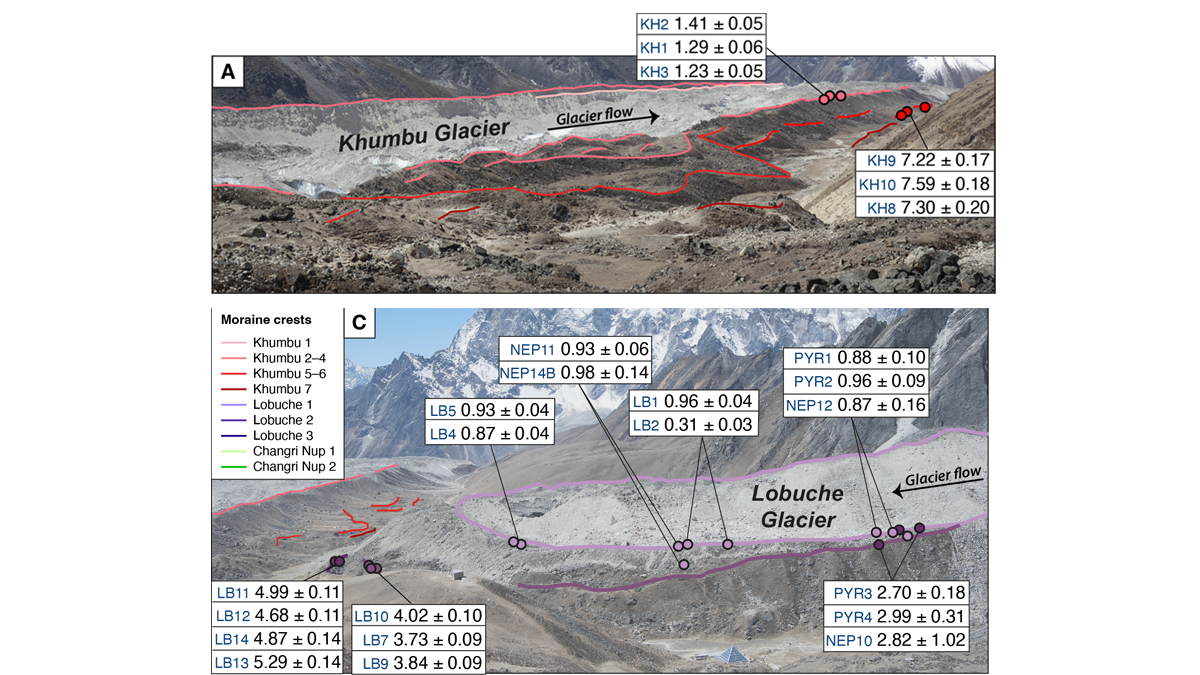
Glacier Advance and Retreat: Insights From the Top of the World
New dating of glacial features reveals predictable glacier behavior in response to climate warming and cooling in the Everest region in the past 8,000 years.
Posted inNews
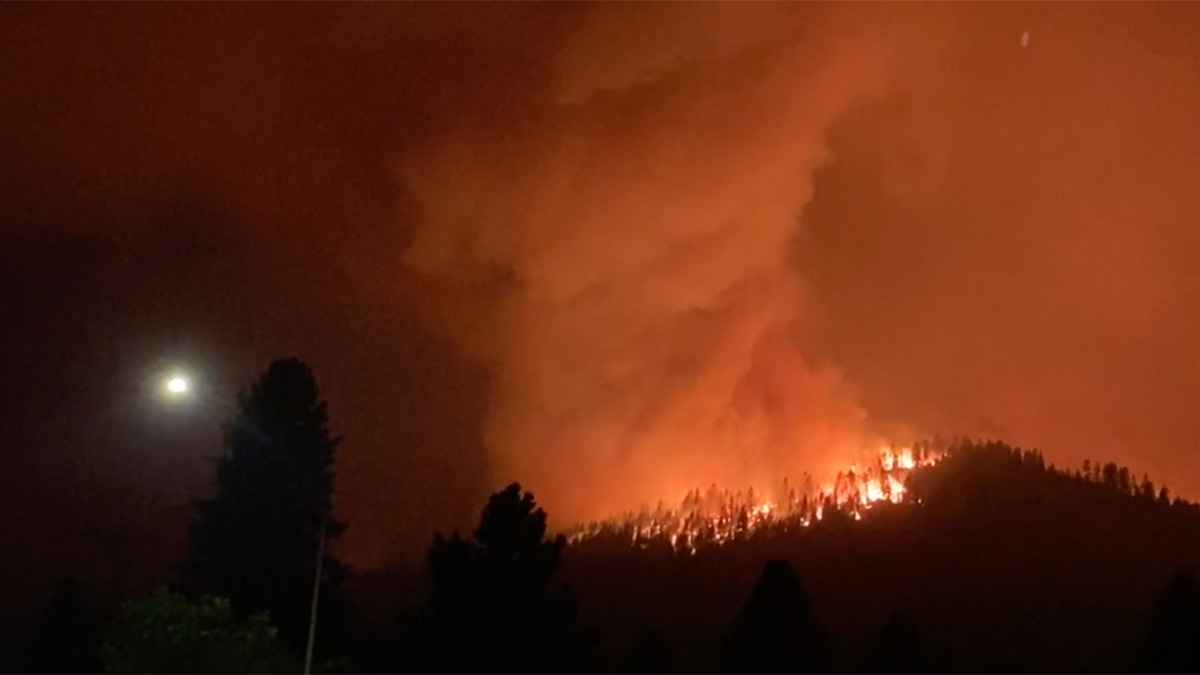
Chasing Fire Tornadoes for Science
Recent research suggests fire-generated vortices are always present during wildfires.

Posted inEditors' Highlights
Probing the Sedimentology of a Continental Megathrust
Detailed analysis of sediments covering the Main Frontal Thrust in Nepal show how climate-driven baselevel changes affect sedimentation and should be considered when inferring thrust activity.

Posted inNews
Social Media Supplements Science During Natural Disasters
Information shared on social media platforms could help scientists gather real-time data and assist agencies in relief efforts.

Posted inNews
New USGS Director: Partnerships Are Our Superpower

The new director hopes to strengthen existing partnerships, build and retain a more diverse and inclusive workforce, and deliver the agency’s science to those who need it most.
Posted inResearch Spotlights
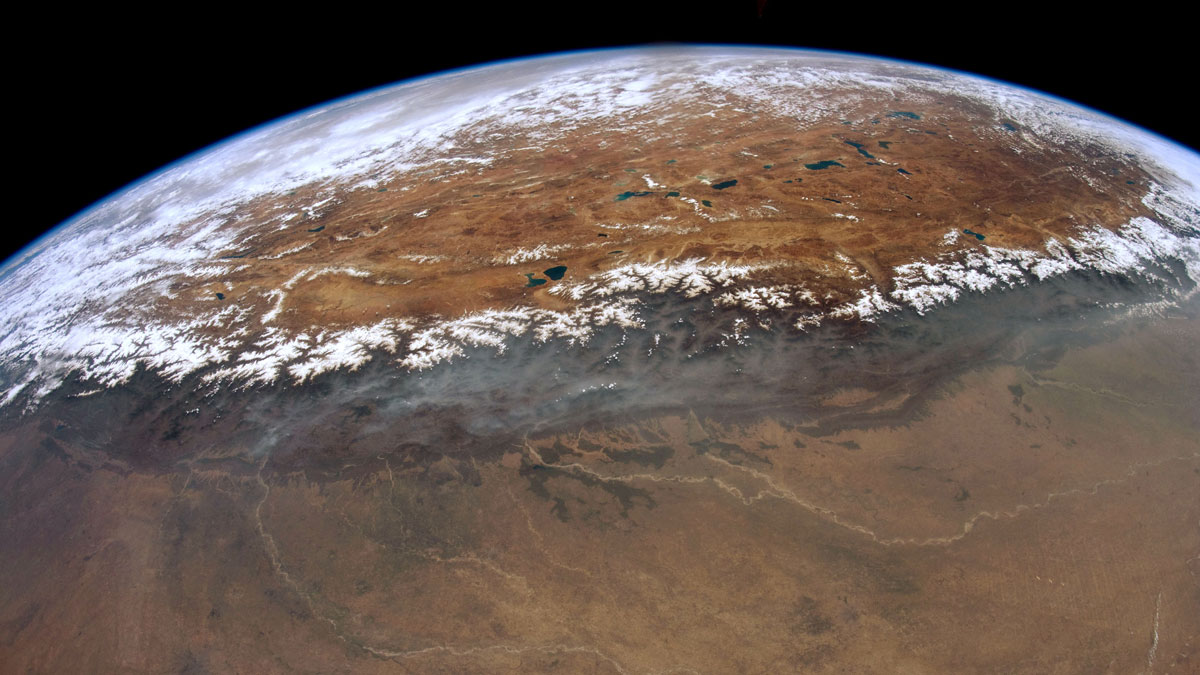
Uncovering the Formation of the Western Nepal Embayment

Using thermokinematics, researchers have found that crustal accretion along the megathrust at mid-lower crustal depths shapes plateau growth and regional drainage development.
Posted inNews
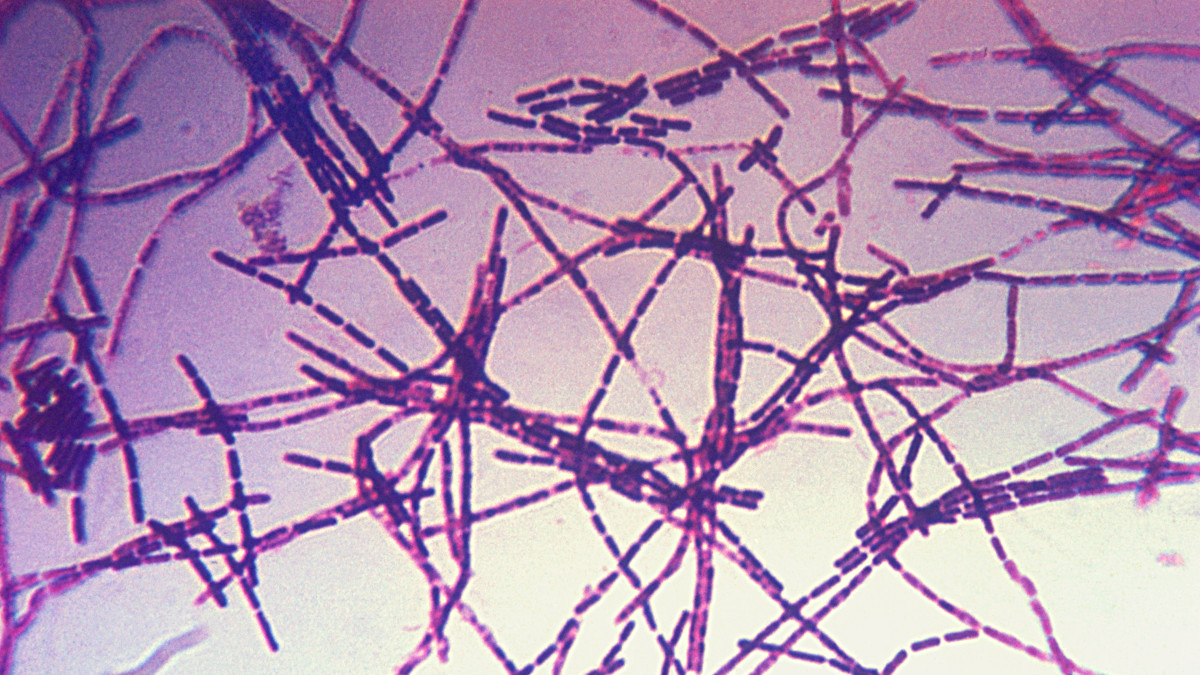
Climate Change Has Already Aggravated 58% of Infectious Diseases

Global warming has, in certain instances, amped up some of the world’s most deadly diseases.