




“I wake up every day and I’m like, ‘Heck yes, I get to go to work today.’”
“Kelsey Young: ‘Copy, Moon Joy'”
EDUCATION & CAREERS ARCHIVE
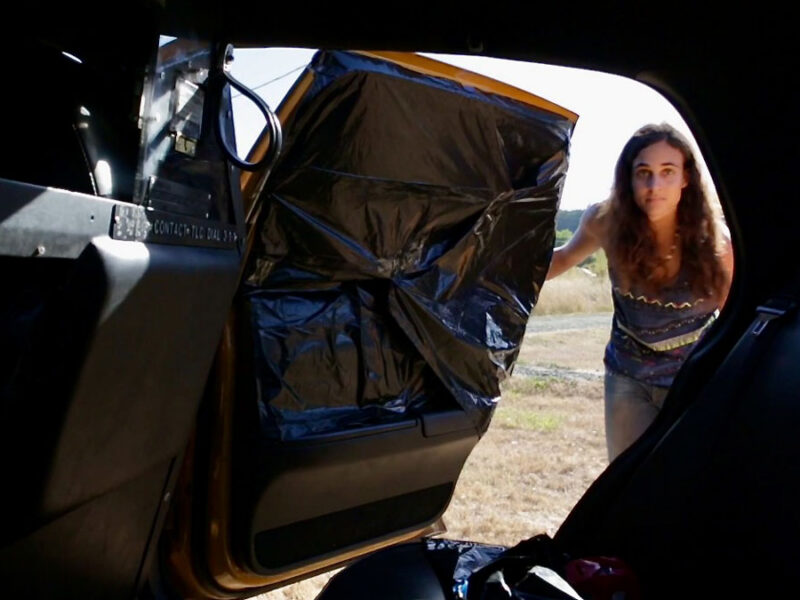
Maoya Bassiouni: Curiouser and Curiouser
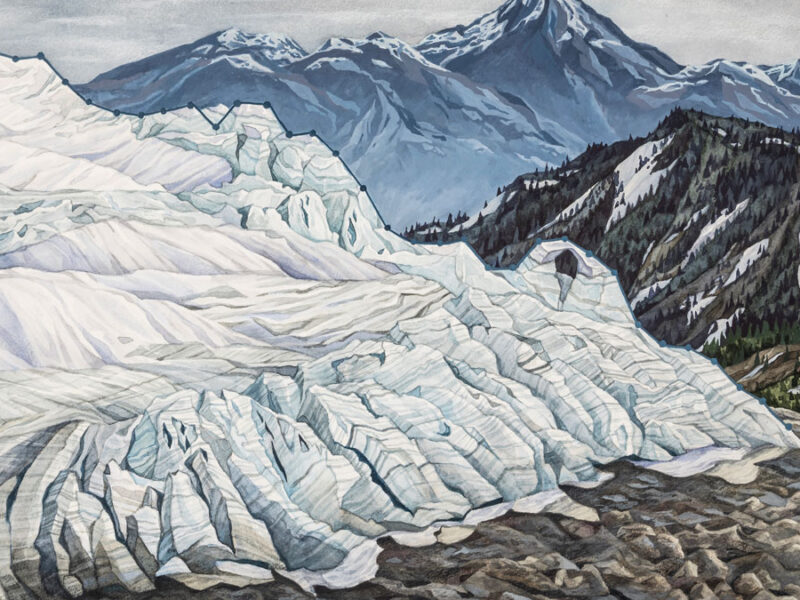
Growing up, this art lover had no idea she would someday become a scientist. Today, her curiosity is helping explore the intersection of atmospheric data and immersive art.
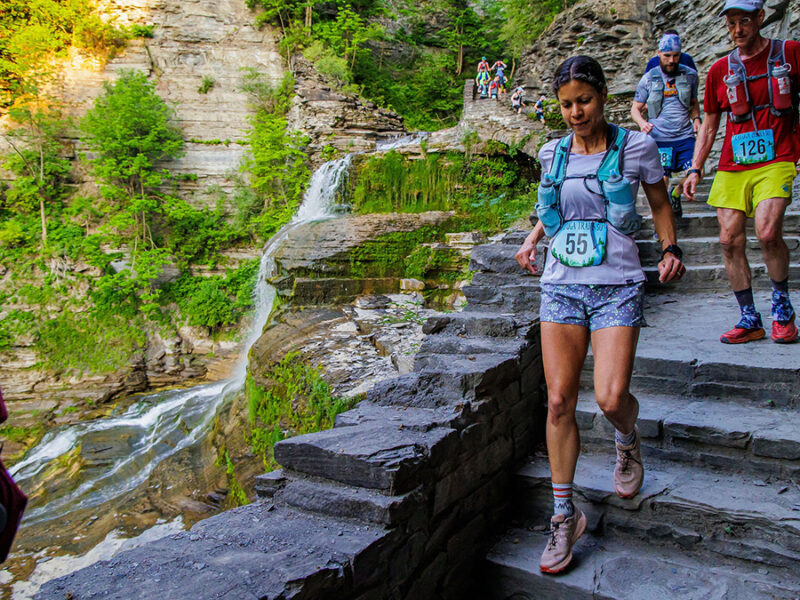
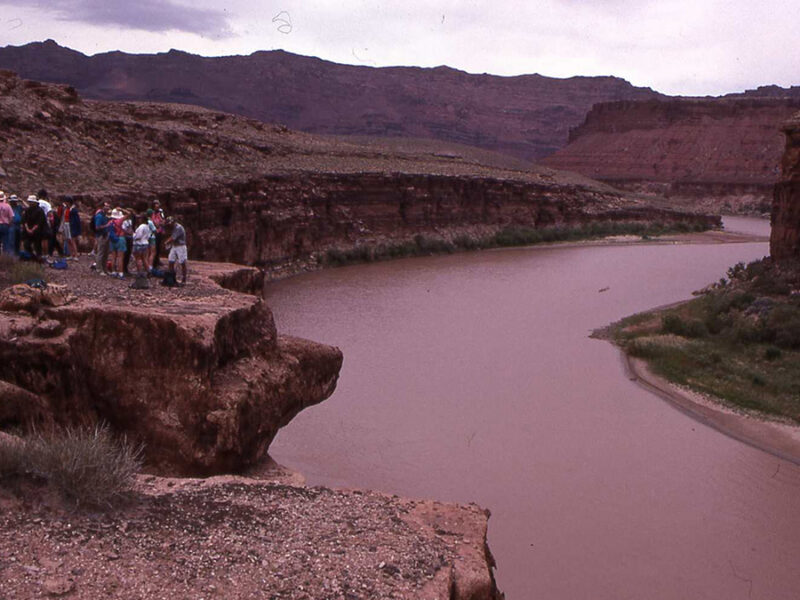
Kuwanna Dyer-Pietras: Running Through the Rock Record
A geologist who left academia found a new way to stay connected to Earth, one ultramarathon at a time.
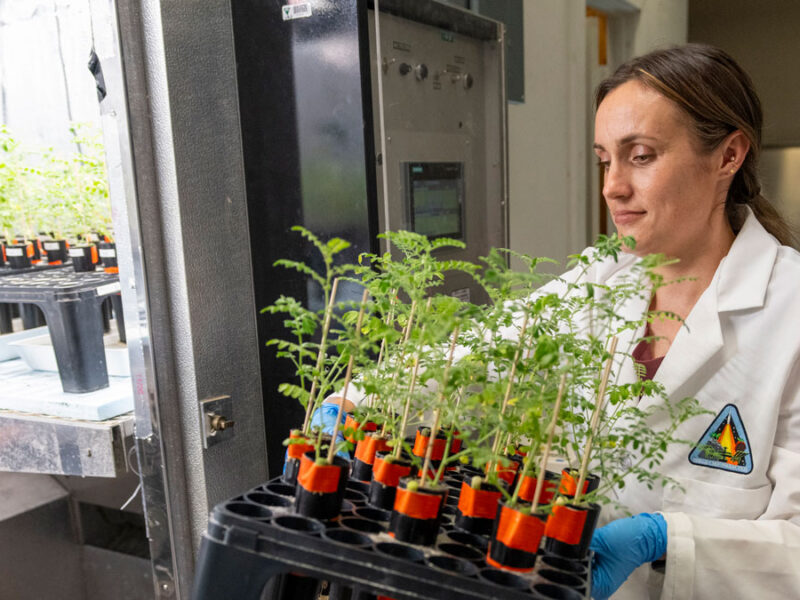
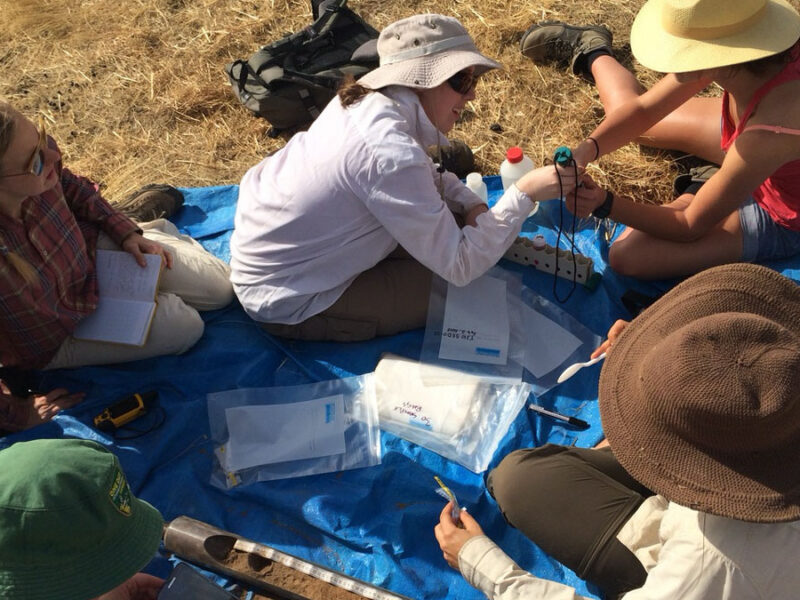
Jess Atkin: Space Biologist Enriches Soil and the Lives of Fellow Veterans
This biologist—also a rancher and Air Force veteran—finds solace in horses as she studies how to grow plants on the Moon.

Danielle Ignace: Bringing One’s Whole Self to Science and Beyond
As a scientist, mentor, artist, advocate, and more, Ignace wears many hats. The key to balancing it all is to integrate the varied aspects of her life.
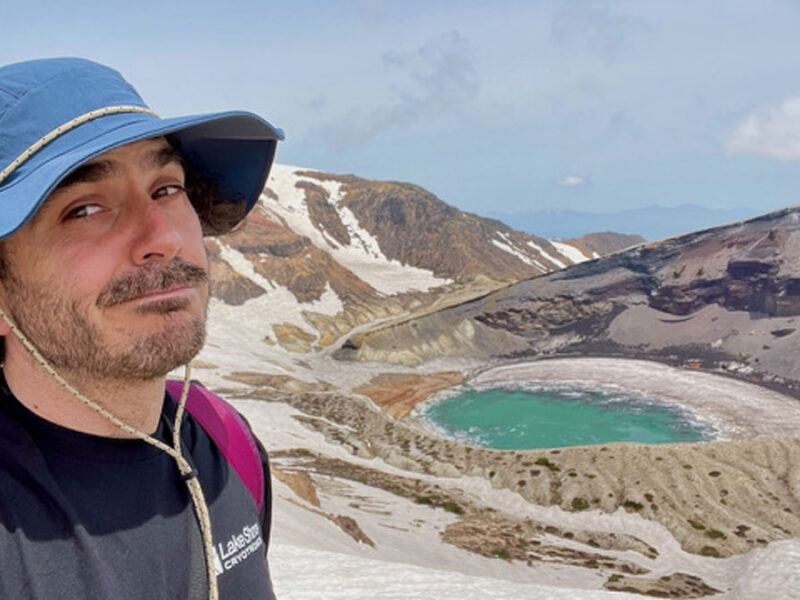
Daniel Pastor-Galán: Studying Ancient Earth, with a Little Help from His Friends
This rock lover carries his musical inspirations with him as he peers far back in geologic time.
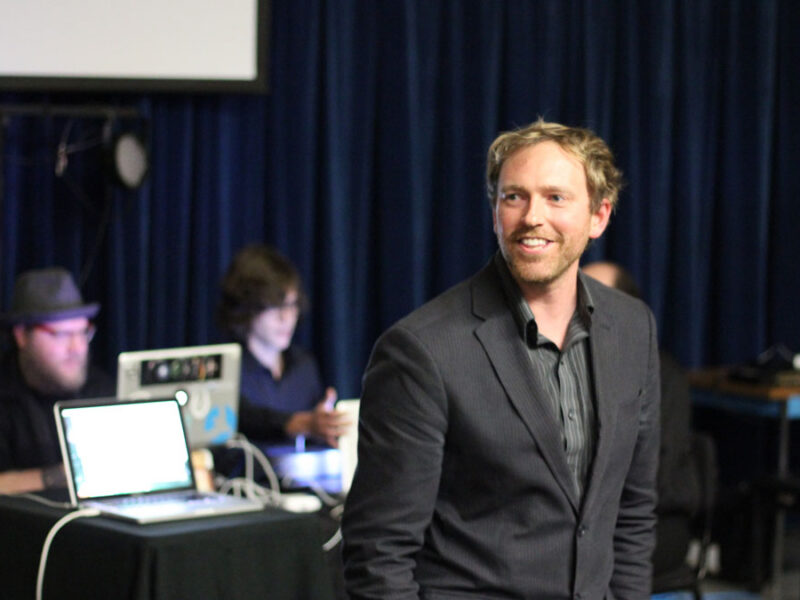
Chet Udell: A Passion for Instrumentation Creates a New Path
A love for experimental music helped Chet Udell forge a unique career developing new musical and scientific instruments.
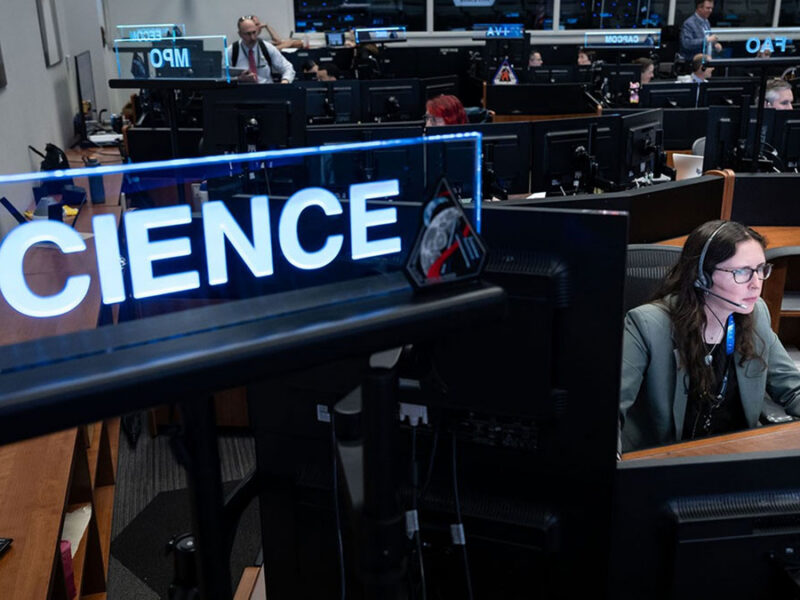
Kelsey Young: “Copy, Moon Joy”
She came to NASA with the goal of making planetary science front and center of the Artemis missions. She succeeded.
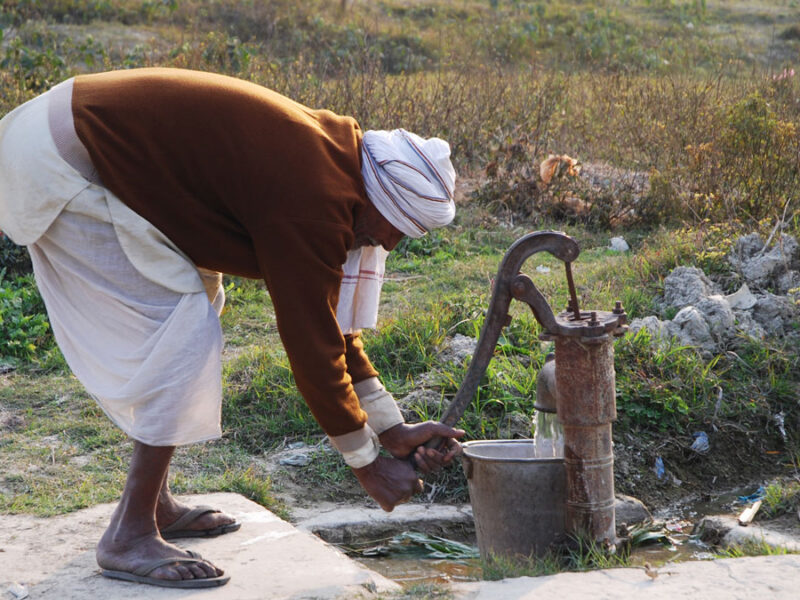
Students Enable Widespread Water Monitoring in India
High school students and other volunteers monitored water for pollutants just as well as professionals.
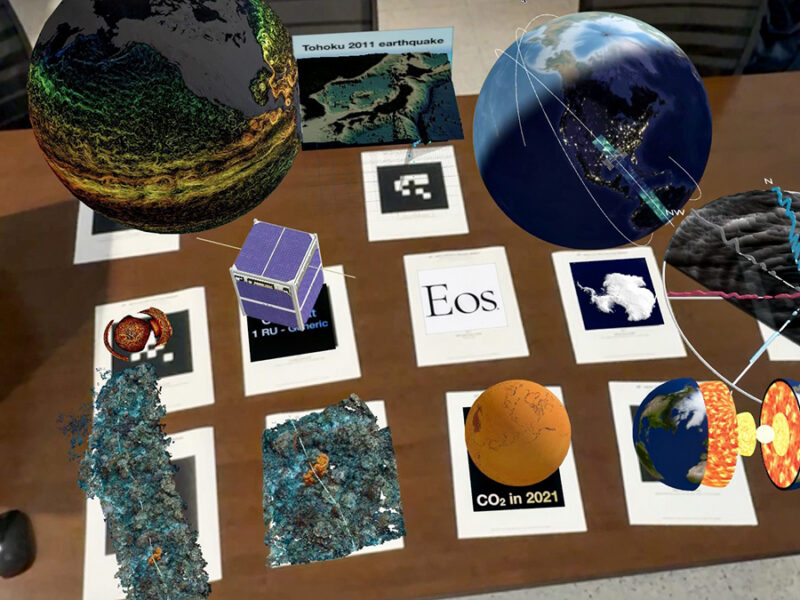
Extended Reality Offers Opportunities for Scientific Show-and-Tell
Advances in virtual and augmented reality, spatial computing, and other technologies offer chances to work with data more intuitively, benefiting Earth and space science research and education.

Artists and Scientists Partner to Bring Atmospheric Data to Life
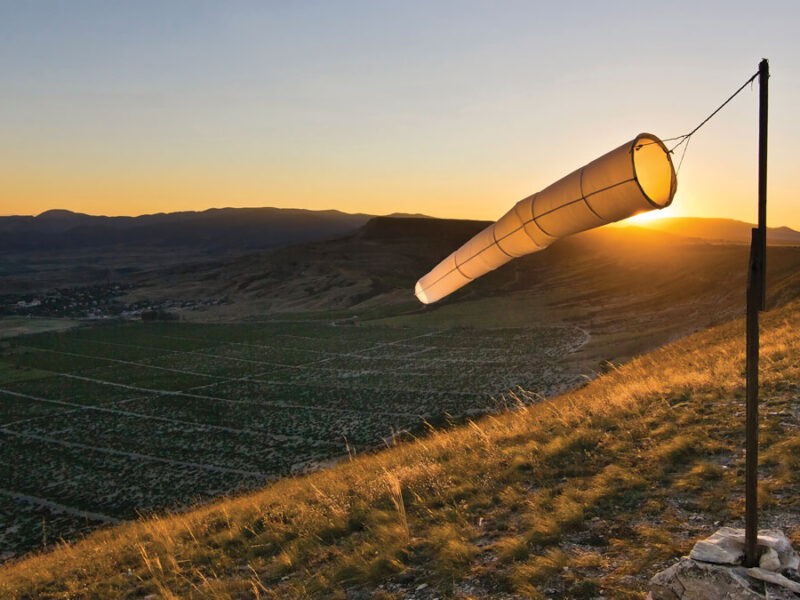
In the fluxART project, scientists using eddy covariance to study atmospheric flux partnered with artists to help communicate the “breath of the biosphere.”
Something went wrong. Please refresh the page and/or try again.