
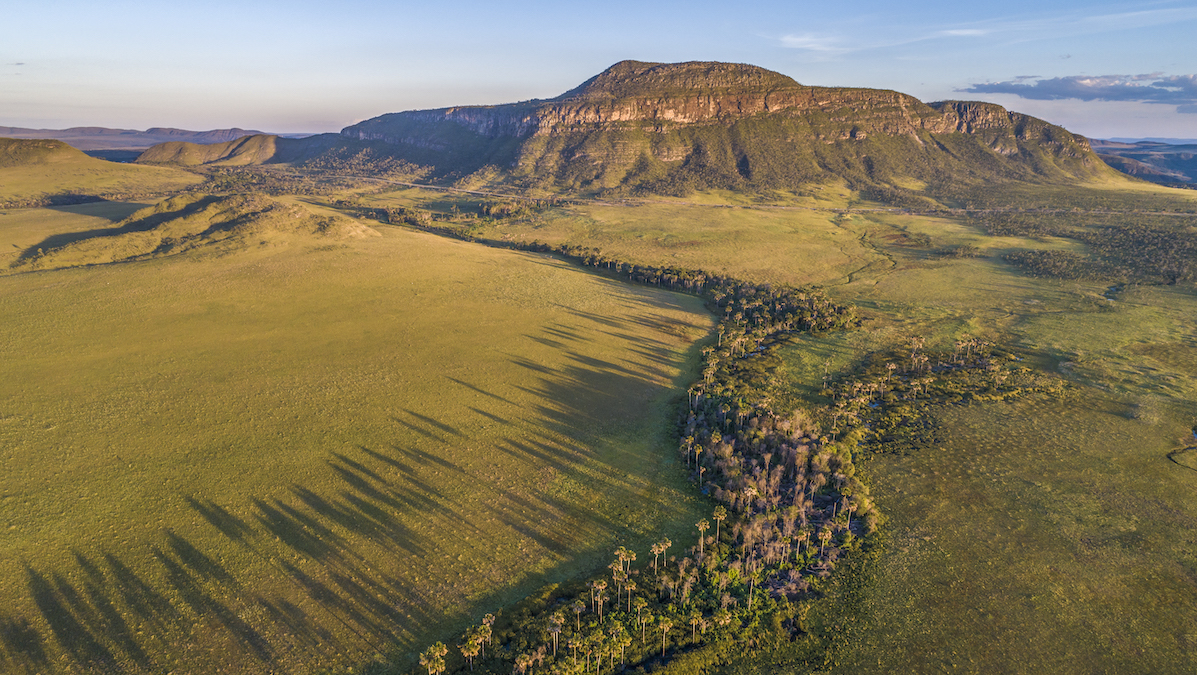

The Cerrado, largely overlooked in climate science and policy, is a critical carbon sink, according to new research.
News
Posted inNews
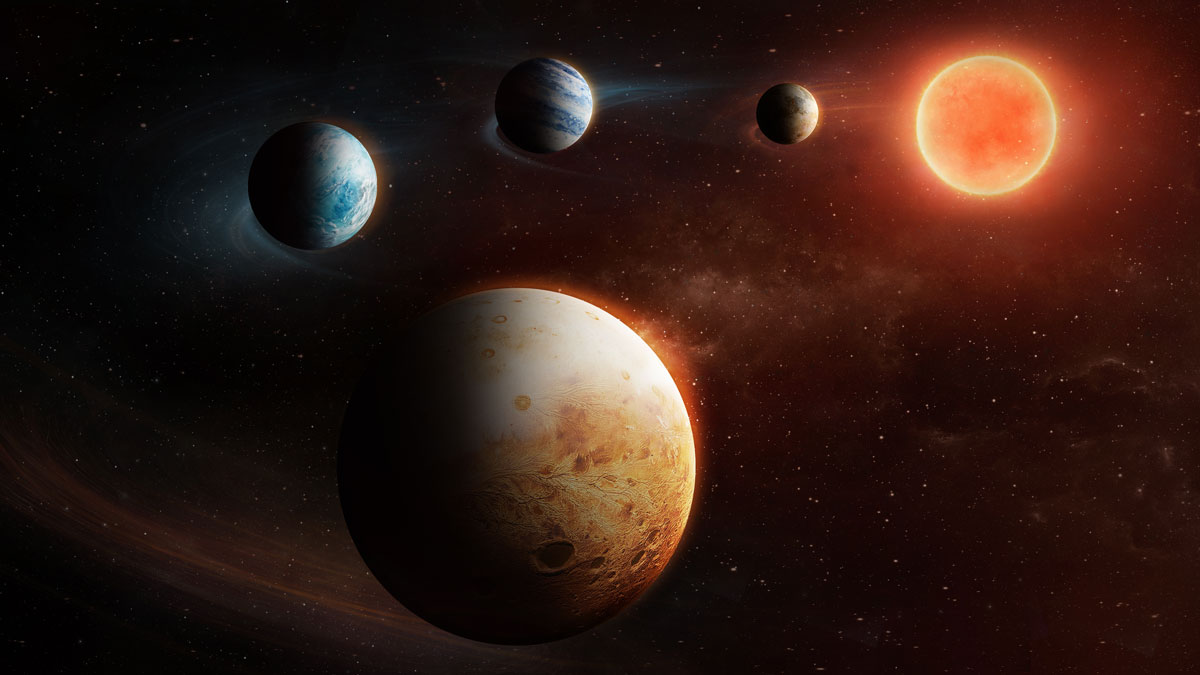
The Planet That Shouldn’t Be There

A newly discovered exoplanet suggests that a different way to build planetary systems could be possible.
Posted inNews
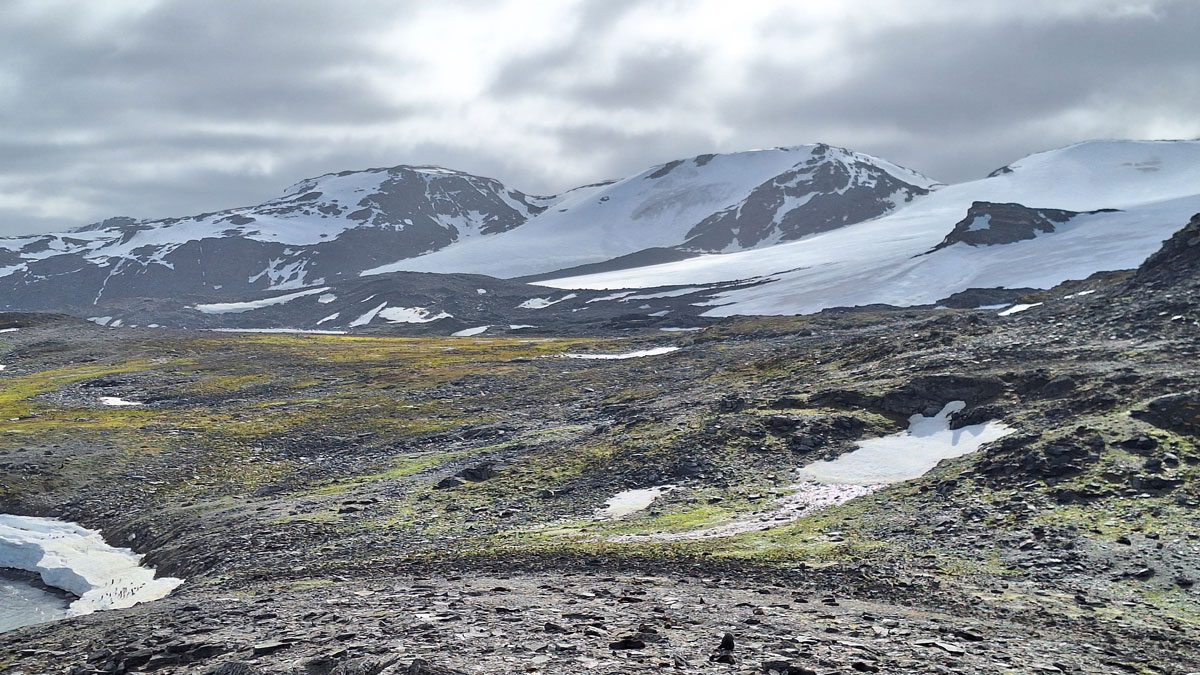
Antarctic Peninsula Faces Starkly Different Futures, Depending on Decisions Made Today
A study reveals interconnected changes under three emissions pathways and describes the emerging challenges facing Antarctic fieldwork.
Posted inNews
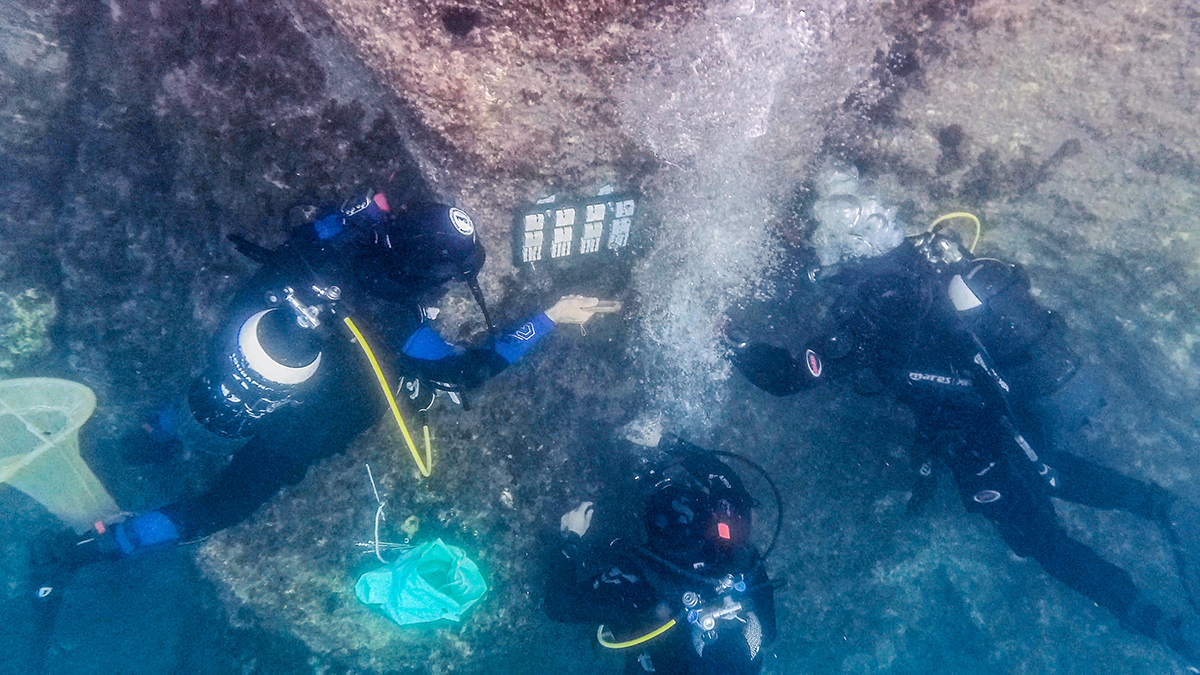
Acidifying Seas Are Wearing Away at Underwater Archaeology
Marble, limestone, and other carbonate rocks used throughout antiquity could start dissolving as oceans soak up more carbon dioxide.
Posted inNews
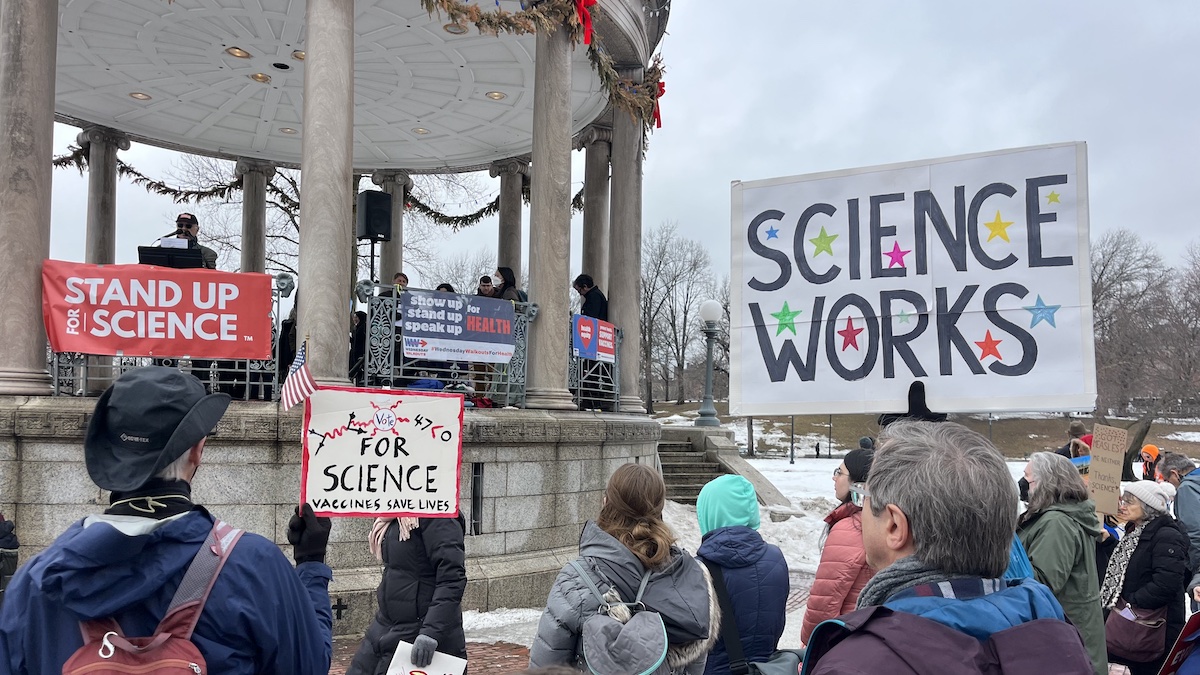
Thousands Rally to Support the Need for Science in a Democracy
Dozens of Stand Up for Science gatherings nationwide focused on the importance of science for federal policymaking.
Posted inNews
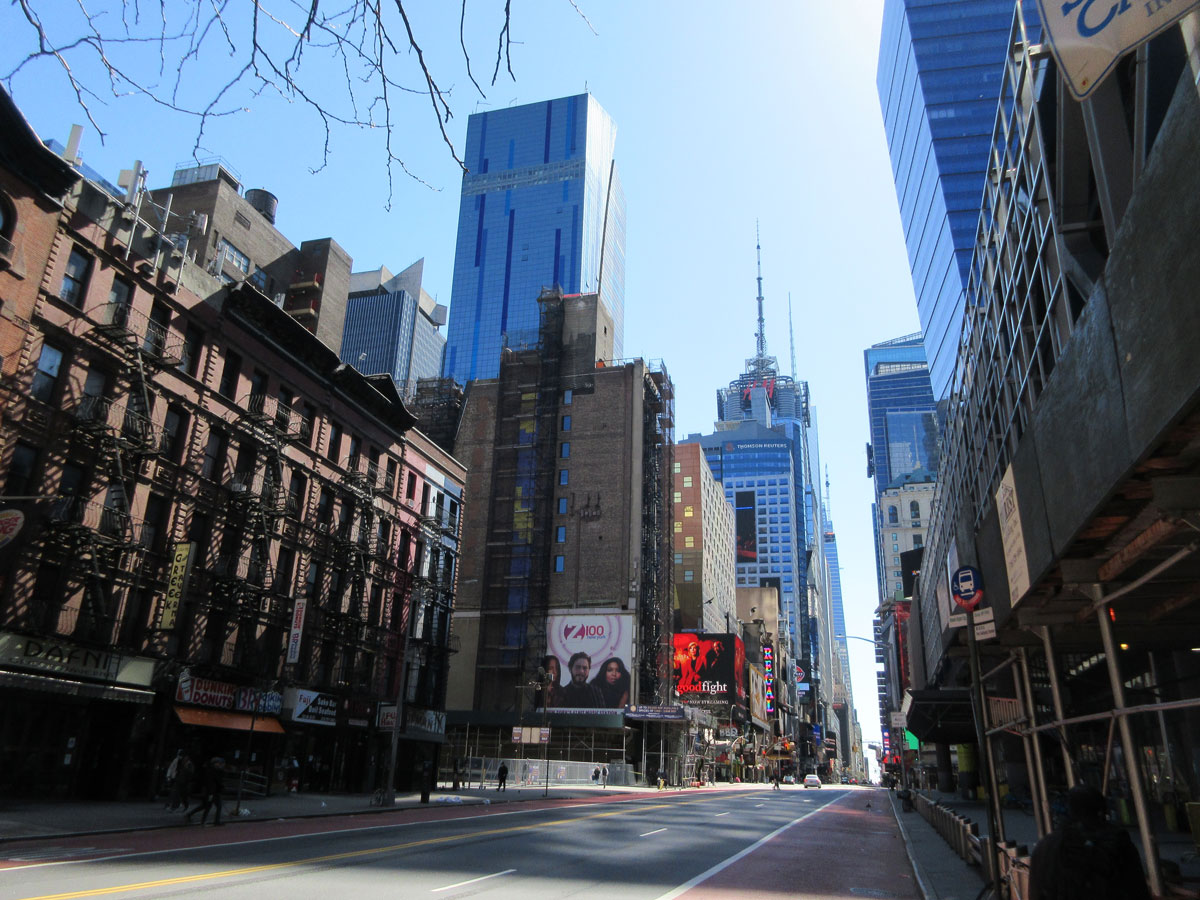
COVID-19 Shutdowns Saw Human Emissions Slow, but Atmospheric Methane Surged
An uptick in wetland emissions, as well as a scarcity of atmospheric OH radicals, contributed to the counterintuitive methane spike.
Posted inNews
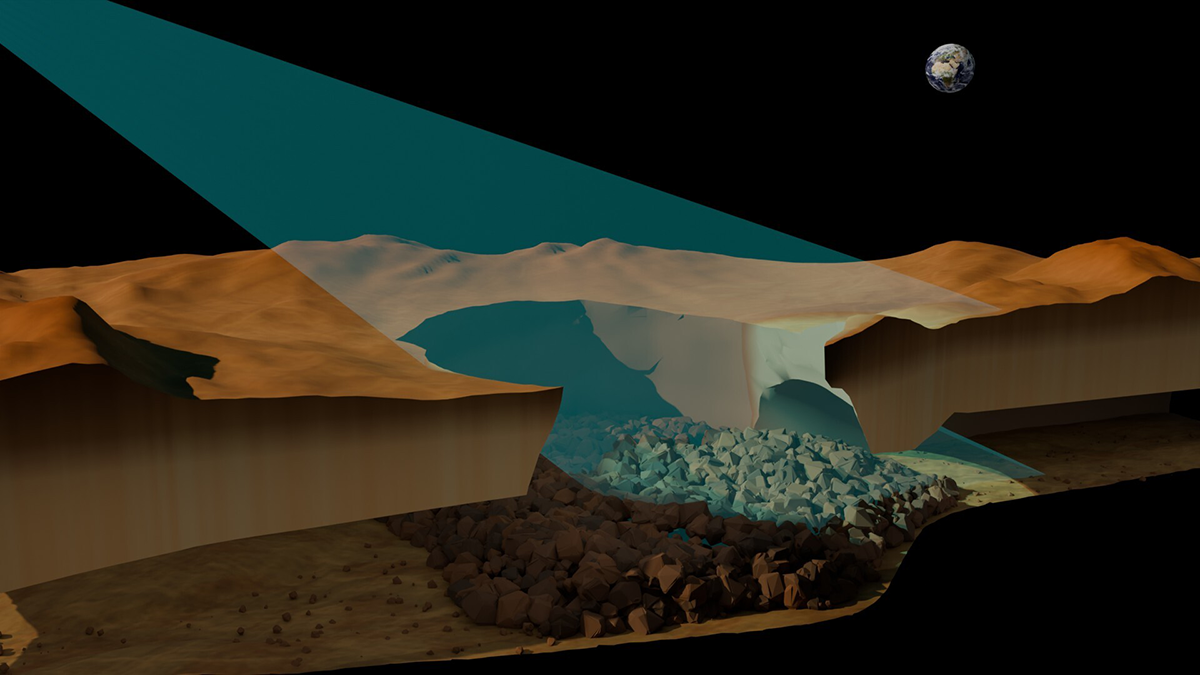
New Evidence Points to Venusian Lava Tubes, and They’re Really Big

Researchers bring new life to 30-year-old Magellan data to unearth the first direct evidence of the long-hypothesized structures.
Posted inNews
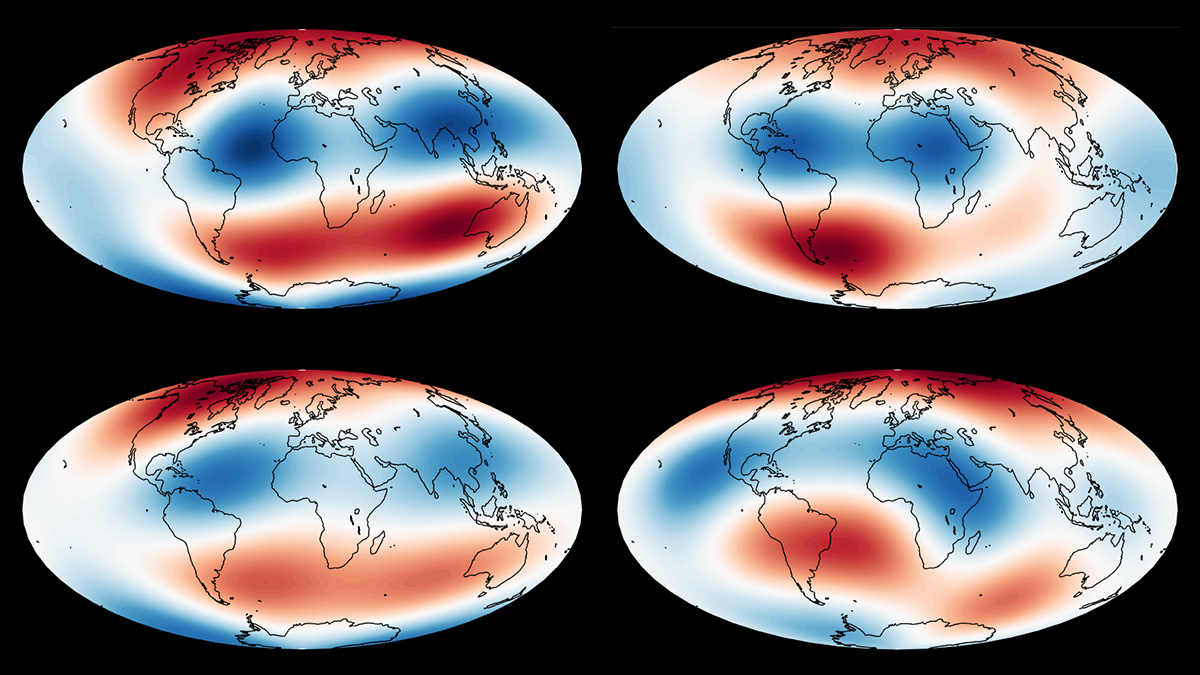
What do BLOBs Have to Do with Earth’s Magnetic Field? A Lot, It Turns Out
Enormous provinces of superheated mantle exert a powerful influence over our planet’s magnetic field, researchers have discovered.
Posted inNews
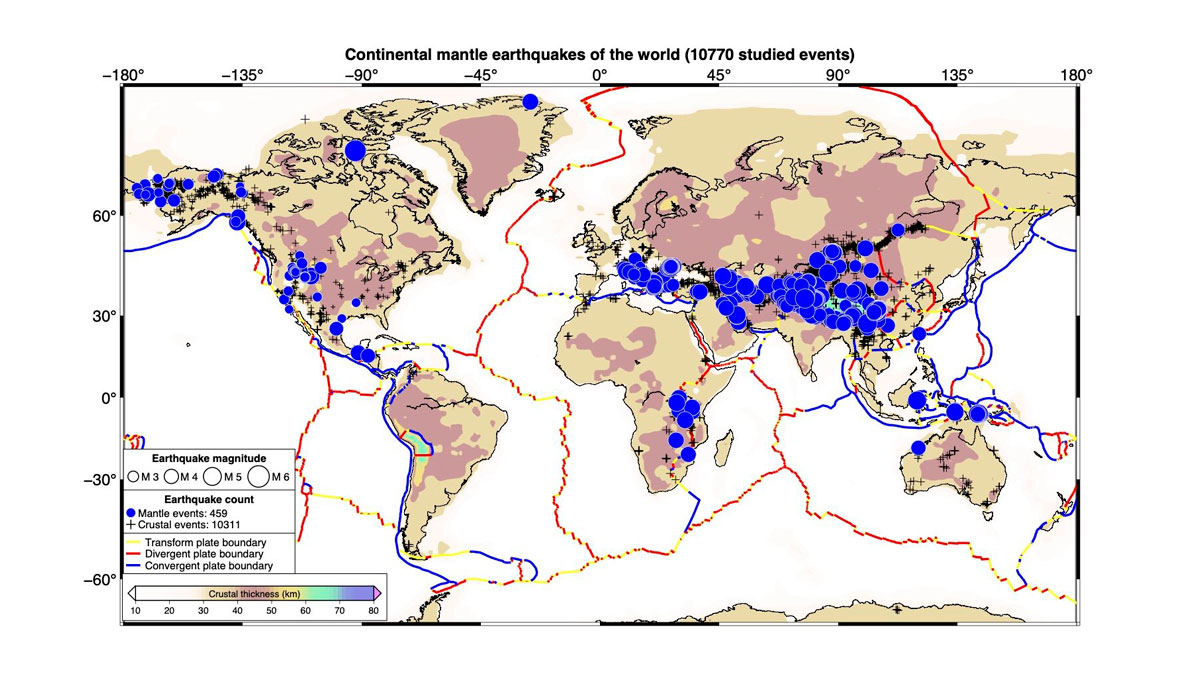
Scientists Create the First Map of Deep Earthquakes Beneath Continents
Scientists once thought Earth’s continental mantle was too weak for earthquakes. A new global map of 459 deep tremors suggests otherwise.
Posted inNews
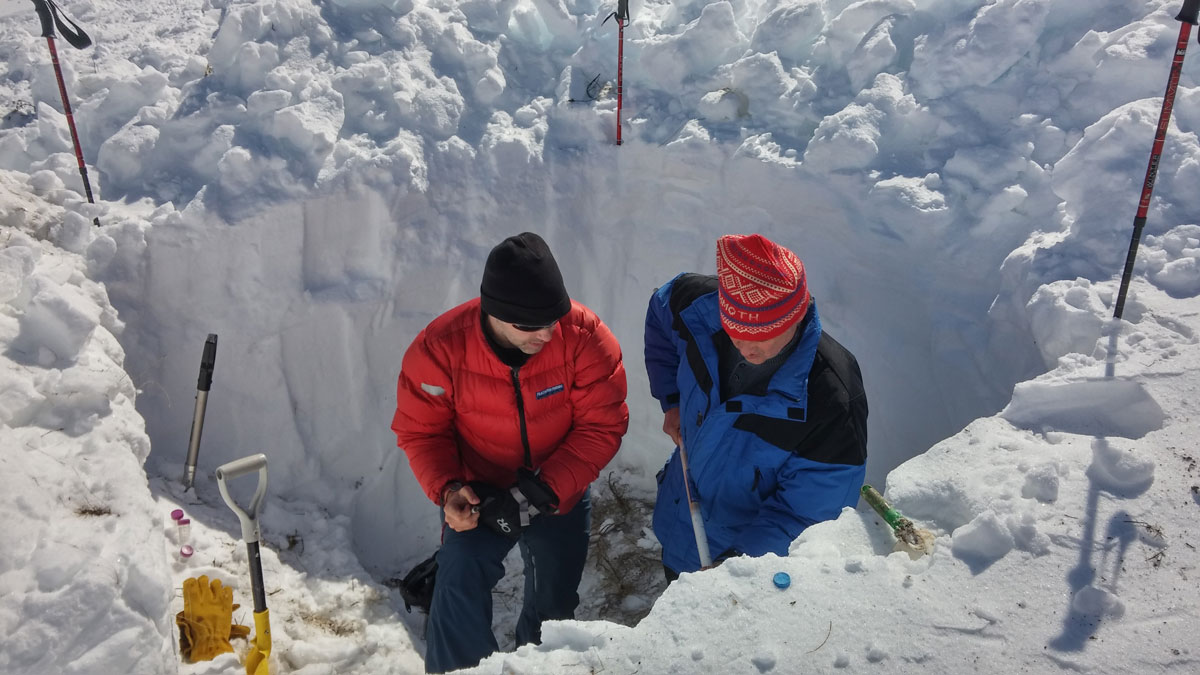
When the Snow Melts, Microbes Bloom
A new study illuminates a complex and changing world of microbes and nitrogen cycling that occurs during the winter.