


Typhoons regularly drench densely populated western Pacific regions, but lightning could forecast intensity more than a day before a storm’s strength peaks.
Hazards & Disasters

Posted inScience Updates
Swipe Left on the “Big One”: Better Dates for Cascadia Quakes
Improving our understanding of hazards posed by future large earthquakes on the Cascadia Subduction Zone requires advancements in the methods and sampling used to date and characterize past events.

Posted inFeatures
Ten Years on from the Quake That Shook the Nation’s Capital
A decade of study into the Virginia earthquake that damaged D.C. and reverberated up and down the Atlantic coast in 2011 has shed light on rare, but risk-laden, seismicity in eastern North America.

Posted inResearch Spotlights
First Report of Seismicity That Initiated in the Lower Mantle
A 4D back-projection method revealed that aftershocks of the 2015 earthquake beneath the Ogasawara (Bonin) Islands occurred as deep as about 750 kilometers.

Posted inResearch Spotlights
Ice Lenses May Cause Many Arctic Landslides
When permafrost thaw reaches concentrations of ice underneath the surface, it may trigger local soil instability.

Posted inNews
Specifically Tailored Action Plans Combat Heat Waves in India
The frequencies of heat waves and heat-induced mortality have soared in India. Now government agencies and research organizations are developing city-specific action plans to mitigate heat impacts.
Posted inResearch Spotlights
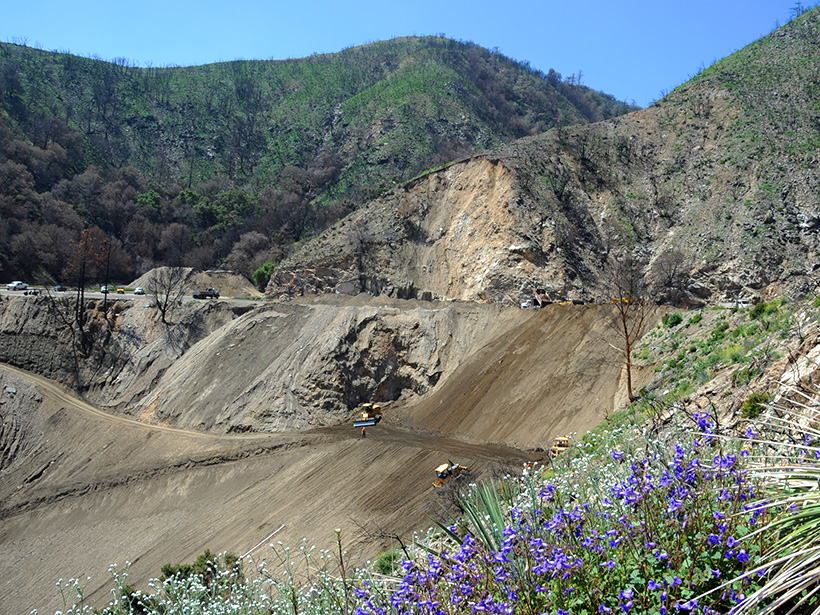
Is Your Home at Risk of Experiencing a Natural Disaster?

In the contiguous United States, 57% of structures are at risk of experiencing at least one natural hazard—and risk is driven by greater development in hazardous areas against a backdrop of climate change.
Posted inEditors' Highlights
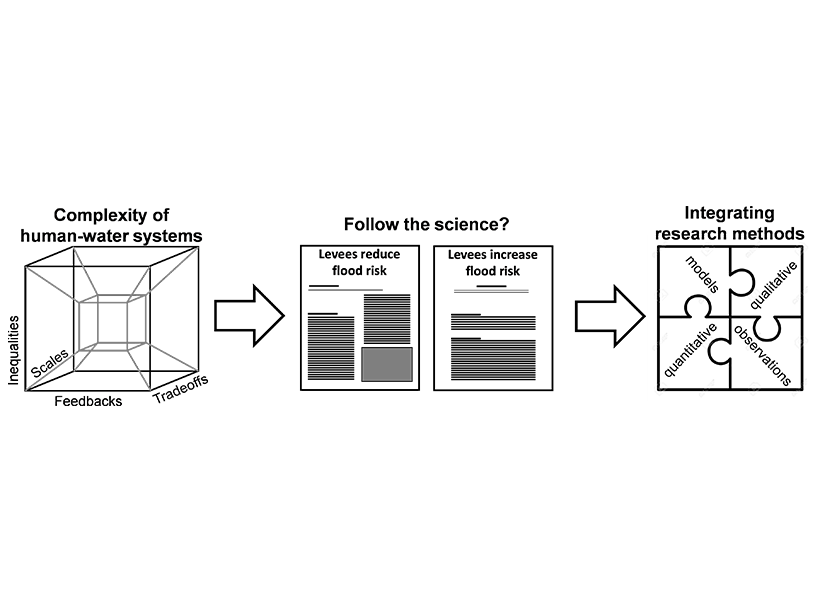
Need for Rational Thinking for Predicting Floods and Droughts
To plan policies that manage flood and drought risk, is it sufficient to follow the science? The better path uses the best science, which draws insight from integrated multidisciplinary research.

Posted inNews
What Five Graphs from the U.N. Climate Report Reveal About Our Path to Halting Climate Change

The Intergovernmental Panel on Climate Change’s first assessment report since 2013 describes two illustrative scenarios that keep warming below 2°C—and several others that go wildly offtrack.
Posted inScience Updates
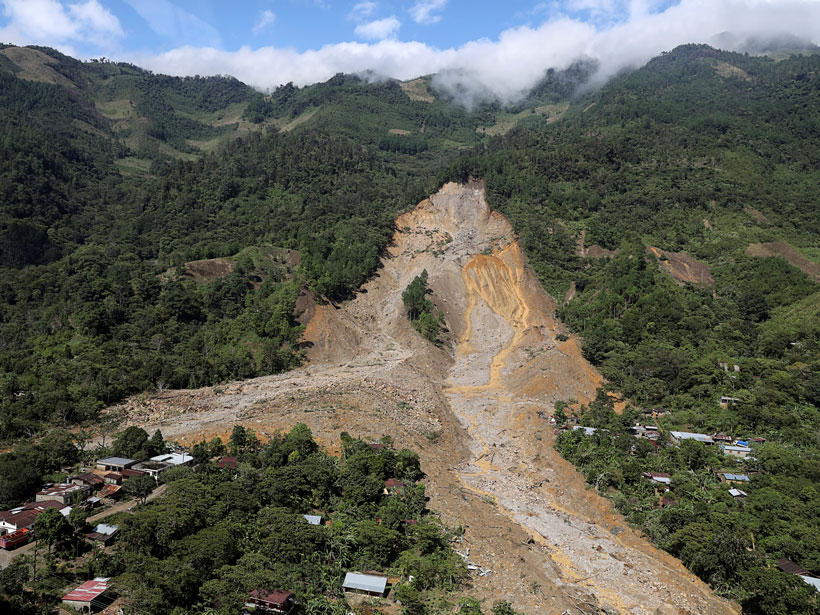
Satellites Support Disaster Response to Storm-Driven Landslides
Extreme precipitation can trigger deadly landslides. Satellite-based tools provide regional perspectives on landslide hazards, help assess risks in near-real time, and guide emergency responses.