


Julie McEnery, “Roman Telescope Begins Quest to Reveal Evolving UniverSE”
SPACE & PLANETS ARCHIVE
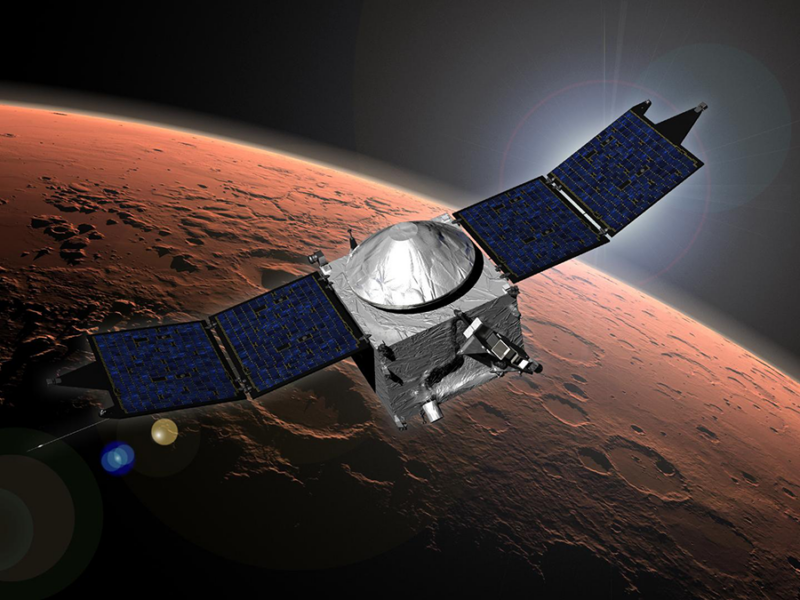
Unveiling Atmospheric Circulation on Mars with Magnetic Field Data
Not only can the magnetometer on NASA’s MAVEN satellite track magnetic fields on Mars; it can also track atmospheric circulation – using machine learning.
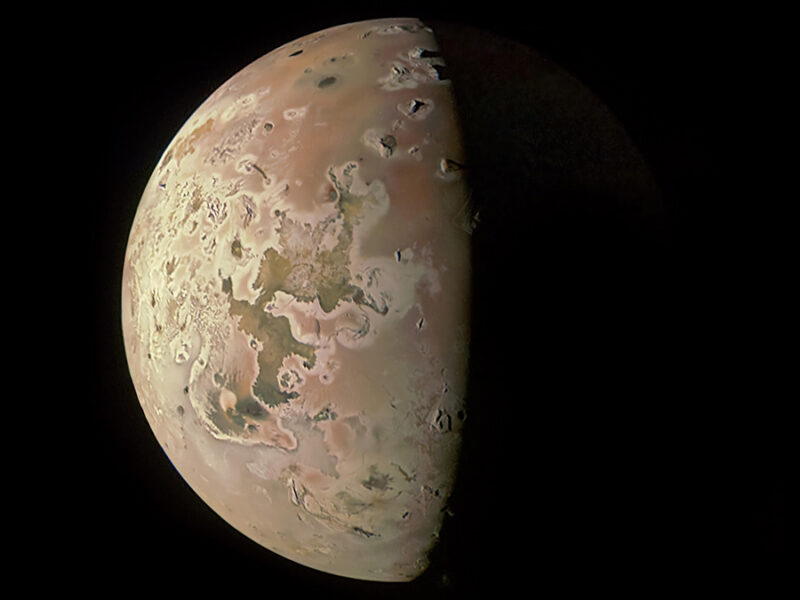
木卫一隐藏热源首次曝光
朱诺号探测器的数据还表明,木星的这颗卫星拥有相对平坦、密度较低的表面。
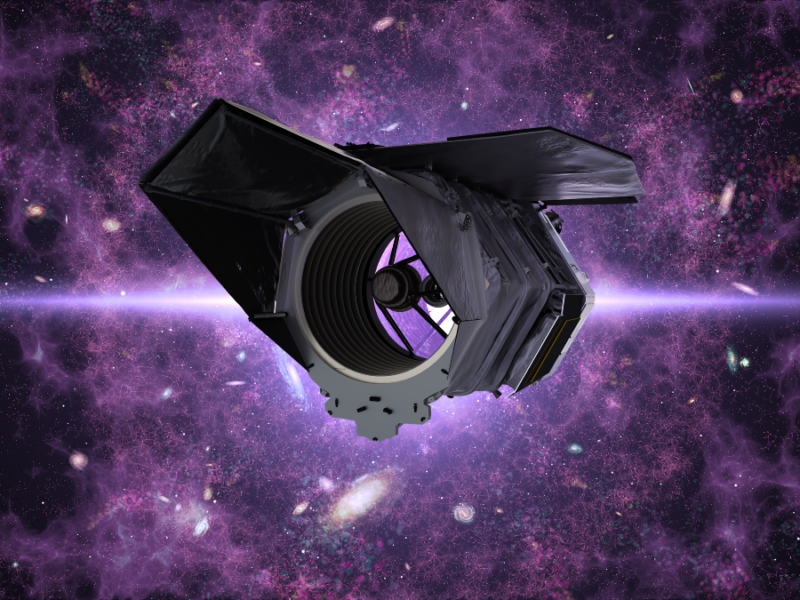
Roman Telescope Begins Quest to Reveal Evolving Universe
A new era of space exploration began today with the launch of the Nancy Grace Roman Space Telescope.
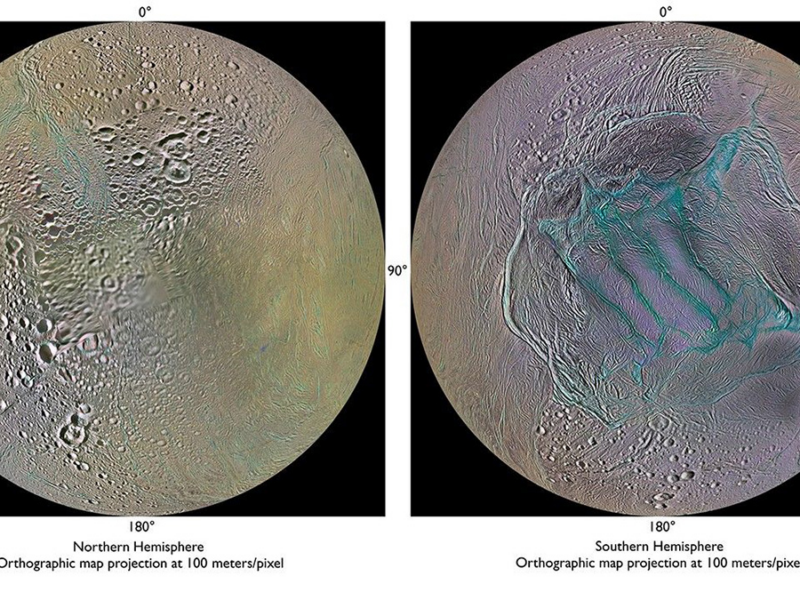
Did Ocean Motion Carve Enceladus’s Tiger Stripes?
Wobbles of the moon’s icy shell may set off waves in the subsurface ocean that sculpt water-spewing fissures from beneath.
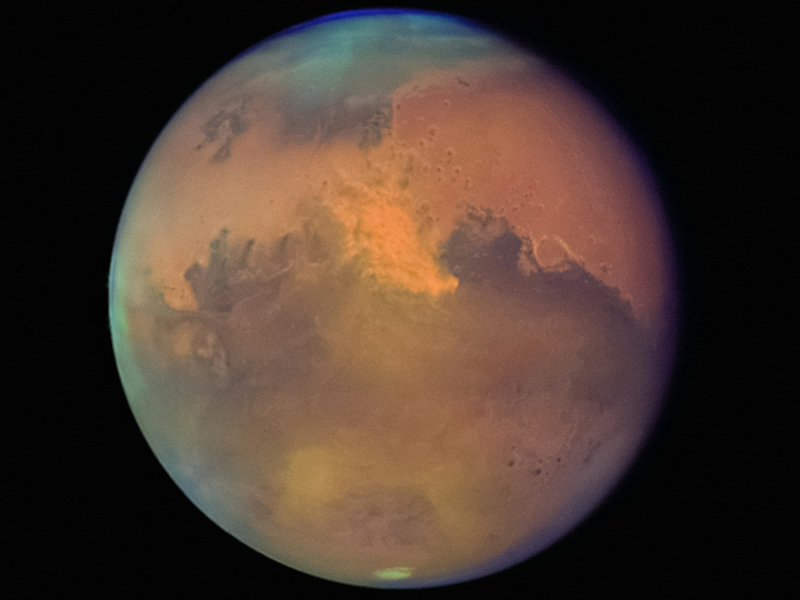
The Magnetic Face of Plasma Irregularities on Mars
Plasma density irregularity is nothing new on Mars, but the accompanying magnetic field irregularity observed on NASA’s MAVEN satellite is.
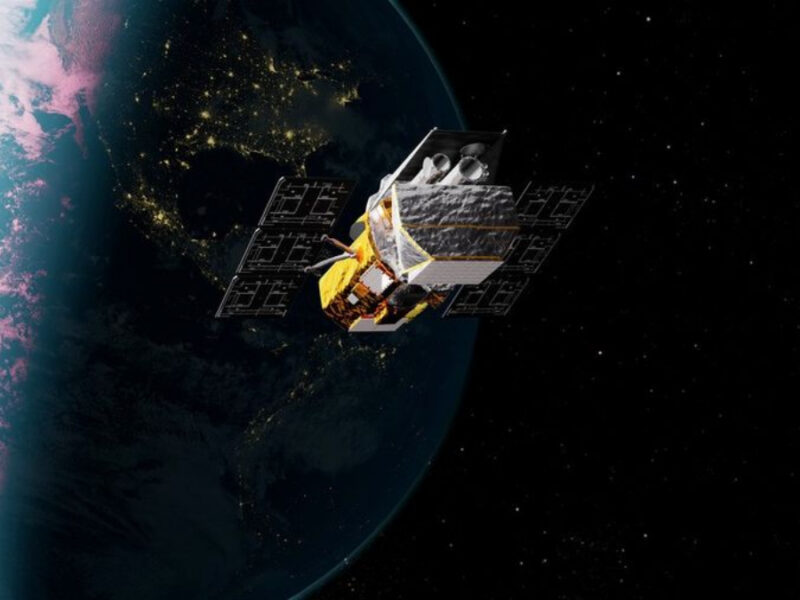
Swift Observatory Rescue Mission Fails
NASA’s attempt to rescue the falling Swift Observatory has failed. Look back at some of Swift’s most exciting discoveries.
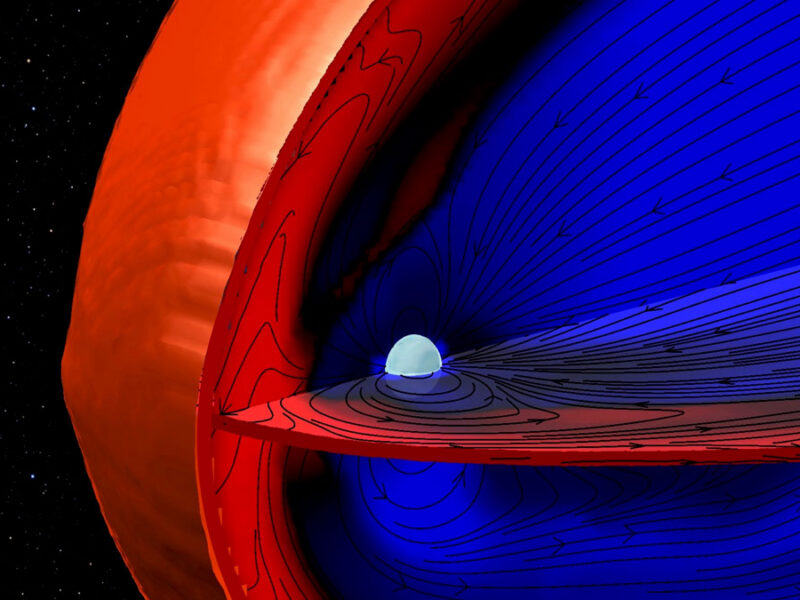
Getting to Know Uranus’s “Breathing” Bow Shock
The ice giant’s rotation causes daily expansion and contraction of the boundary where its magnetic field slows the solar wind.
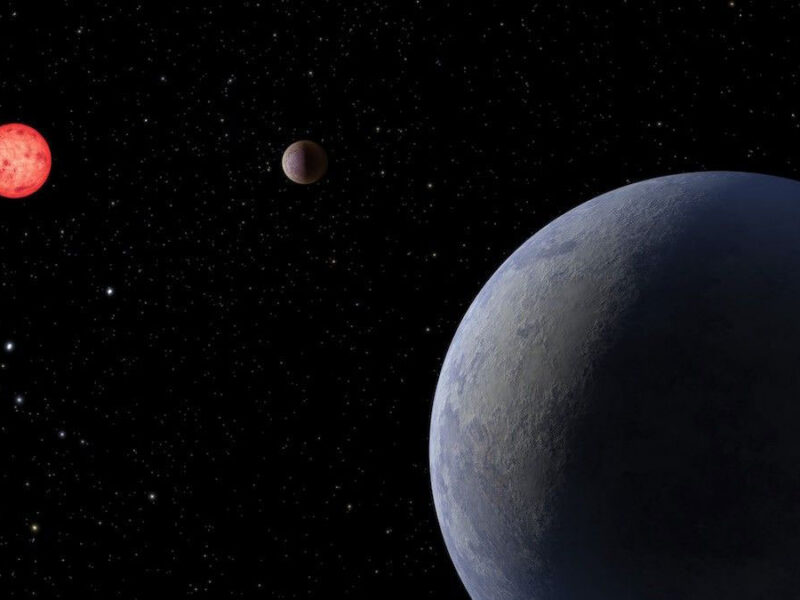
Super-Earths May Be Solid Deep Inside Their Mantles
New estimates show that a mineral likely common in these rocky planets’ interiors is resistant to melting, even at high temperatures.
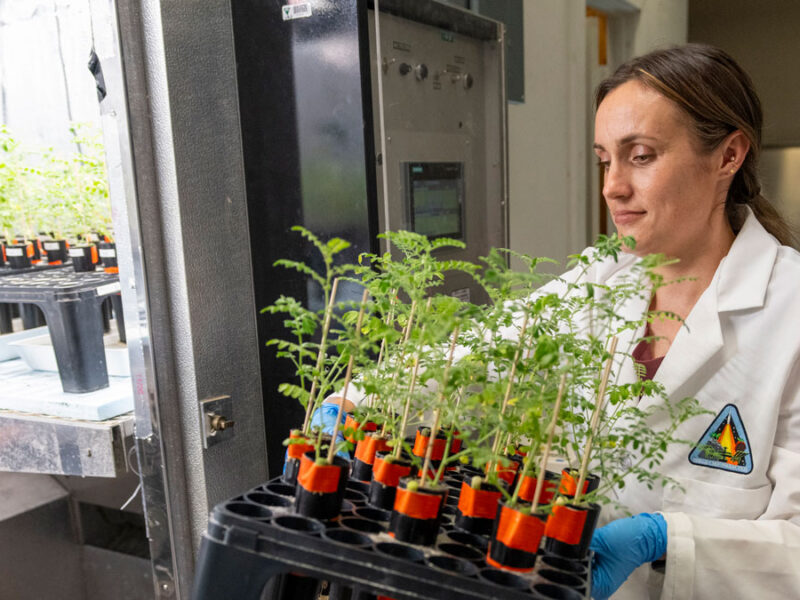
Jess Atkin: Space Biologist Enriches Soil and the Lives of Fellow Veterans
This biologist—also a rancher and Air Force veteran—finds solace in horses as she studies how to grow plants on the Moon.

Kelsey Young: “Copy, Moon Joy”
She came to NASA with the goal of making planetary science front and center of the Artemis missions. She succeeded.
Something went wrong. Please refresh the page and/or try again.